Washington County (Texas) D.A.'s Office
In the early morning hours of Aug. 18, 1992, the Somerville, Texas police chief came upon the burning house of the Davis family. Inside were six victims, four of them young children.
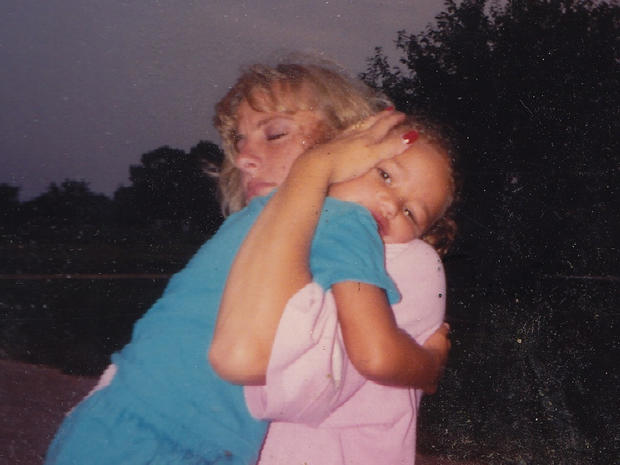
Glenda Rutledge
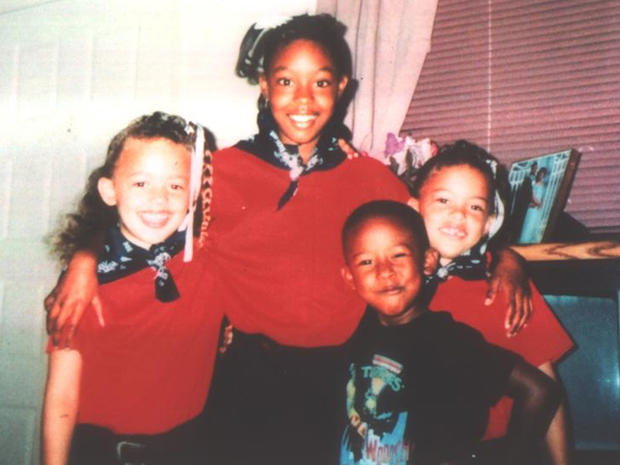
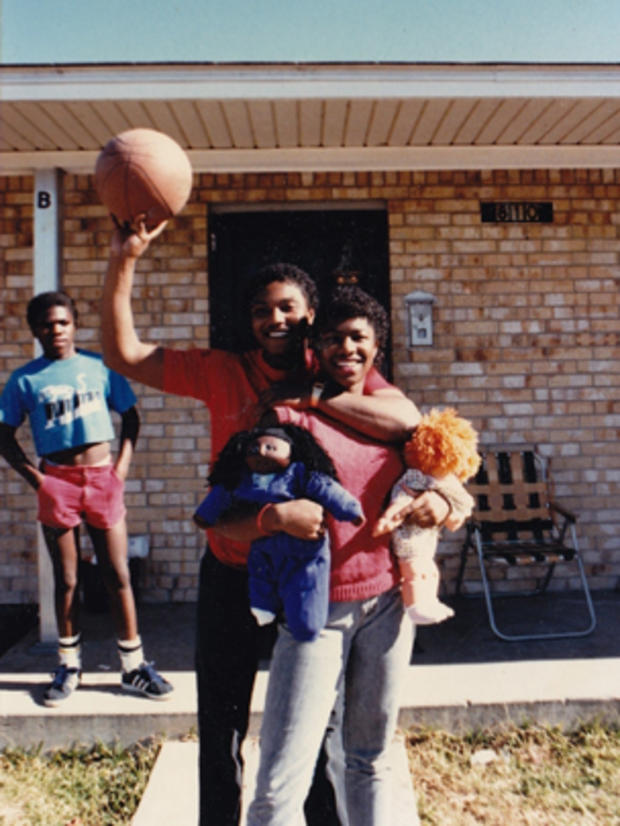
Glenda Rutledge hugs her daughter, Lea'Erin. It would be the last time she held her child. Lea'Erin was killed along with her sister, Brittany.
Washington County (Texas) D.A.'s Office
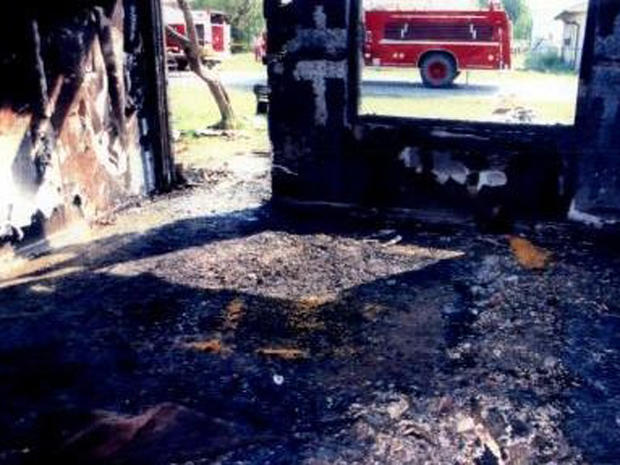
A picture of the scorched living room of the Davis home. Authorities quickly realized that the victims had all been savagely murdered prior to the fire being set.
Washington County (Texas) D.A.'s Office
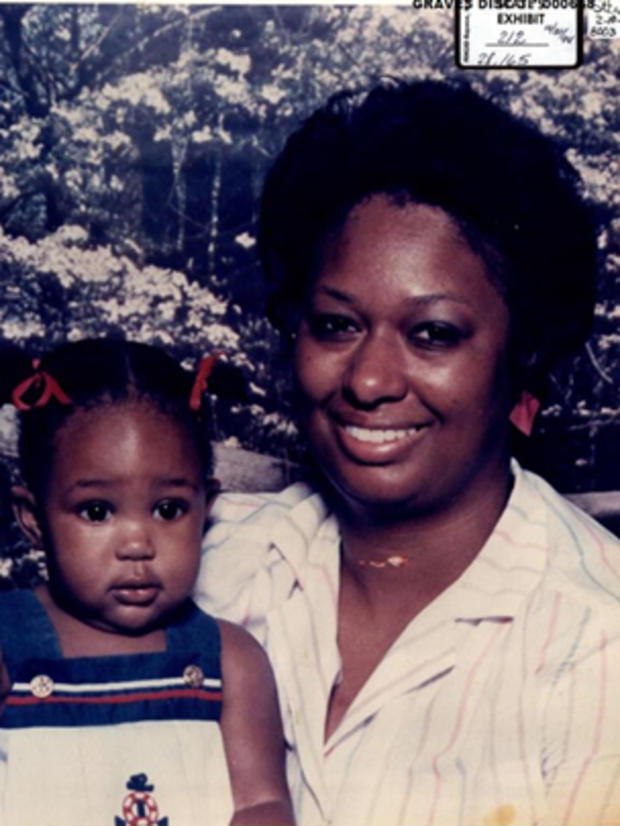
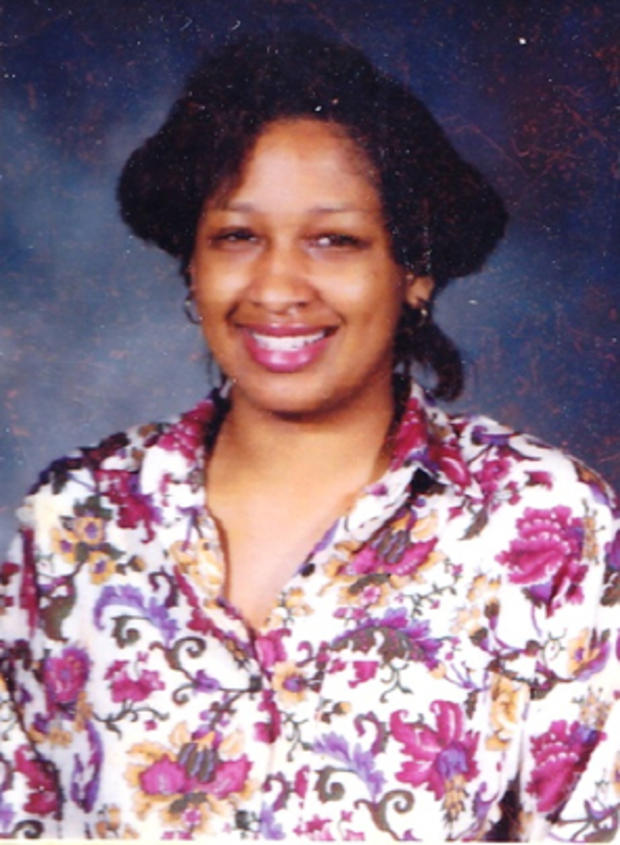
Found in the living room bludgeoned and stabbed to death was 45-year-old grandmother Bobbie Davis. Ms. Davis was a supervisor at a local school for the mentally handicapped and was loved and respected by her family and the community.
Washington County (Texas) D.A.'s Office
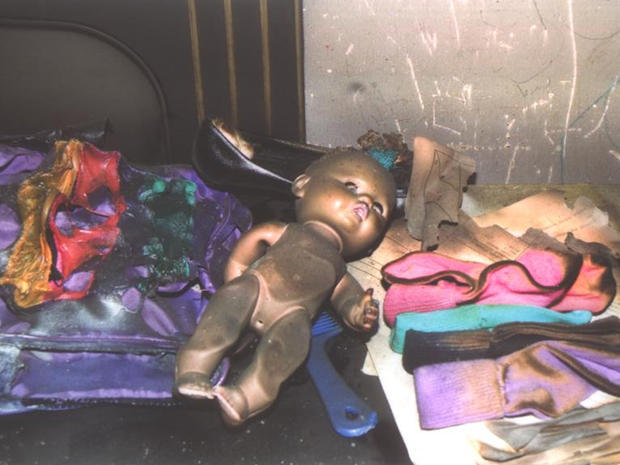
Down the hallway, in the bedrooms, authorities discovered five more bodies. Nicole Davis, 16, a popular student and a star athlete at Somerville High School, had been bludgeoned, stabbed and shot.
In the room with Nicole was her 9-year-old niece, Denitra Davis. The other two rooms held the bodies of 6-year-old Brittany Davis, 5-year-old Lea-Erin Davis and 4-year-old Jason Davis. All the children had been brutally stabbed.
CBS News
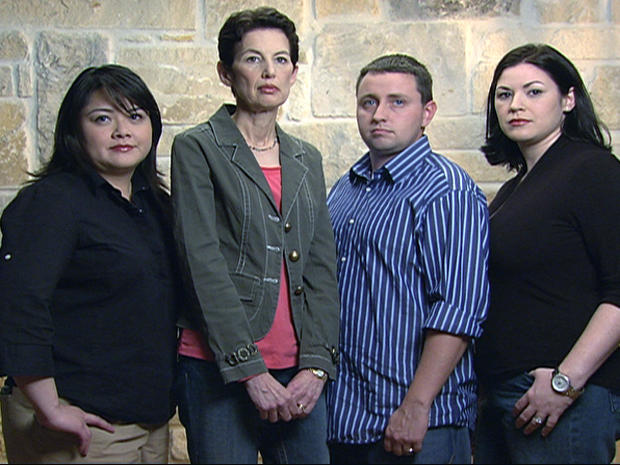
Fourteen years after the crime, a group of journalism students and their professor would help turn the case on its head. From left to right: Gia Gustilo, Nicole Casarez, Michael Bingham and Meghan Bingham.
Graves family
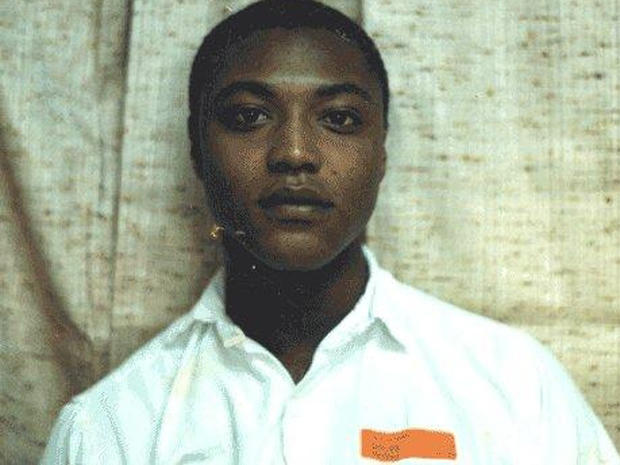
Anthony Graves had been convicted and sent to death row for the murders. After an exhaustive four-year investigation, the students and their professor came to the conclusion that he had been wrongly convicted.
Washington County (Texas) D.A.'s Office
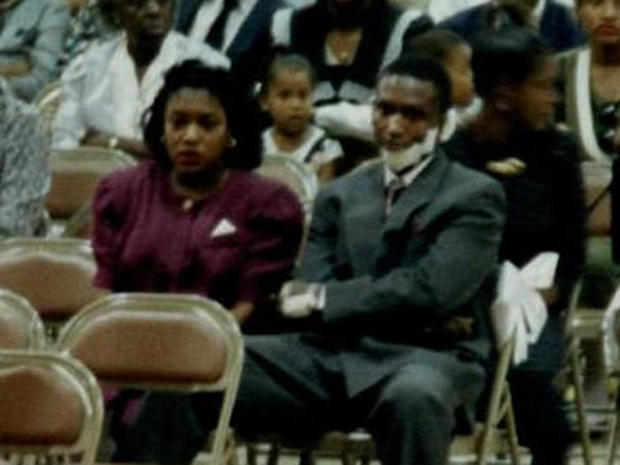
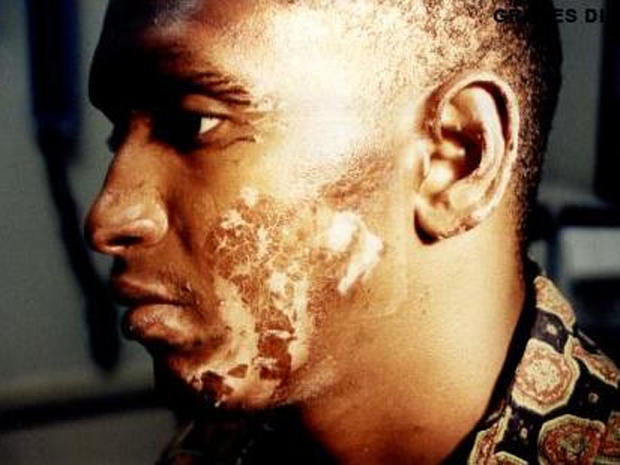
Back in 1992, investigators had initially become suspicious when Robert Carter, the father of Jason Davis - the youngest victim - showed up at the funeral with his face and hand bandaged. The DPS Intelligence Unit had the funeral under surveillance and captured an image of the injured Carter sitting next to his wife, Theresa.
Washington County (Texas) D.A.'s Office
After the funeral, Texas Rangers went to see Robert Carter at his home. The Rangers had learned that Lisa Davis - victim Bobbie Davis' daughter - had recently filed a paternity suit against him for his now deceased child Jason. Carter was read his rights and brought in for questioning.
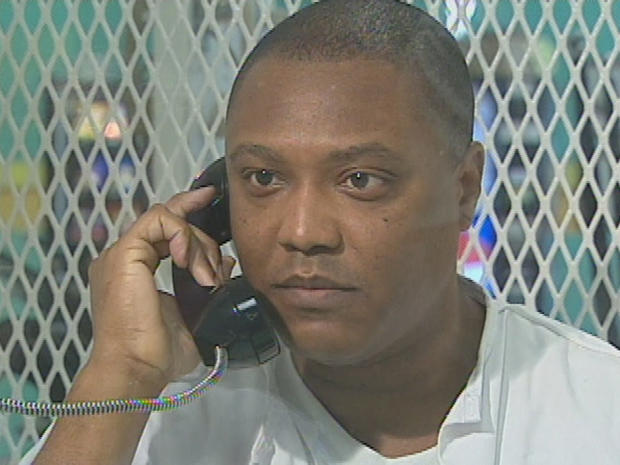
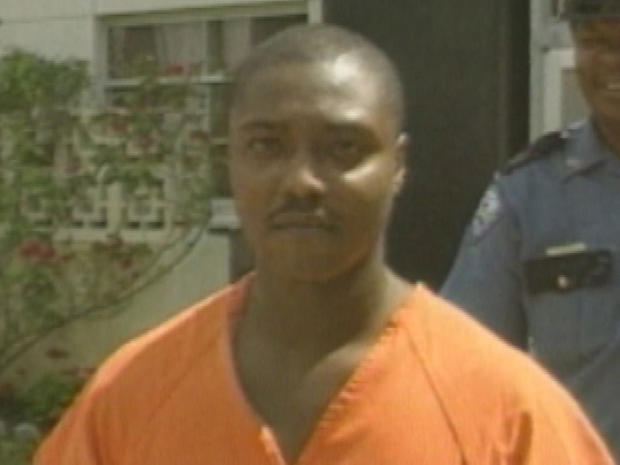
Anthony Graves
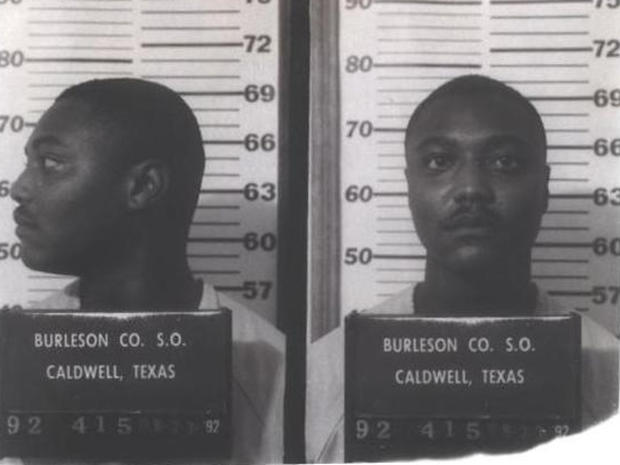
After hours of questioning, Robert Carter named this man - Anthony Graves - as his accomplice. Carter claimed he had been present, but that it was Graves - his wife's first cousin - who was to blame. Carter stumbled on Anthony's name a bit, calling him "Kenneth" at one point, but this did not seem to raise any red flags.
Washington County (Texas) D.A.'s Office
Later that day, Anthony Graves, 26, was picked up at his mother's home and brought to the Brenham Police Station where he was read his rights and told he was being charged with capital murder.
Roy Rueter
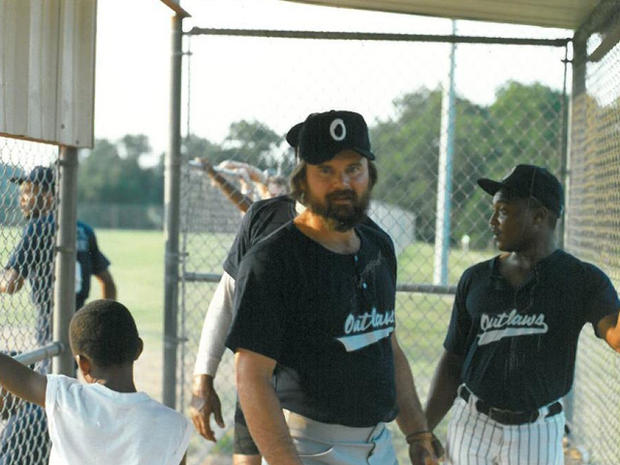
Roy Rueter is pictured with his friend, Anthony Graves, right. When Rueter heard the news of Graves' arrest on the radio, he couldn't believe it. Graves had worked for Rueter at one time and had played for the company softball team. The two became very close friends.
Anthony Graves
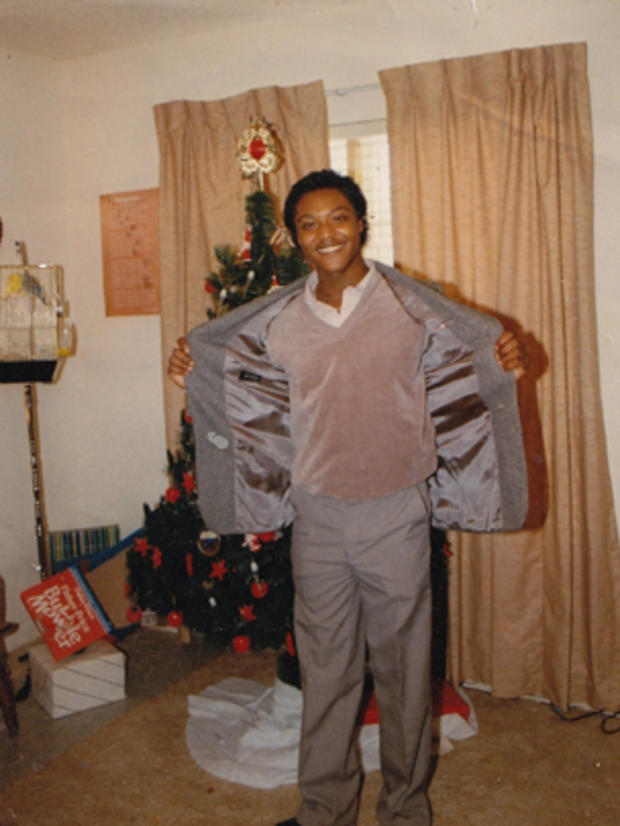
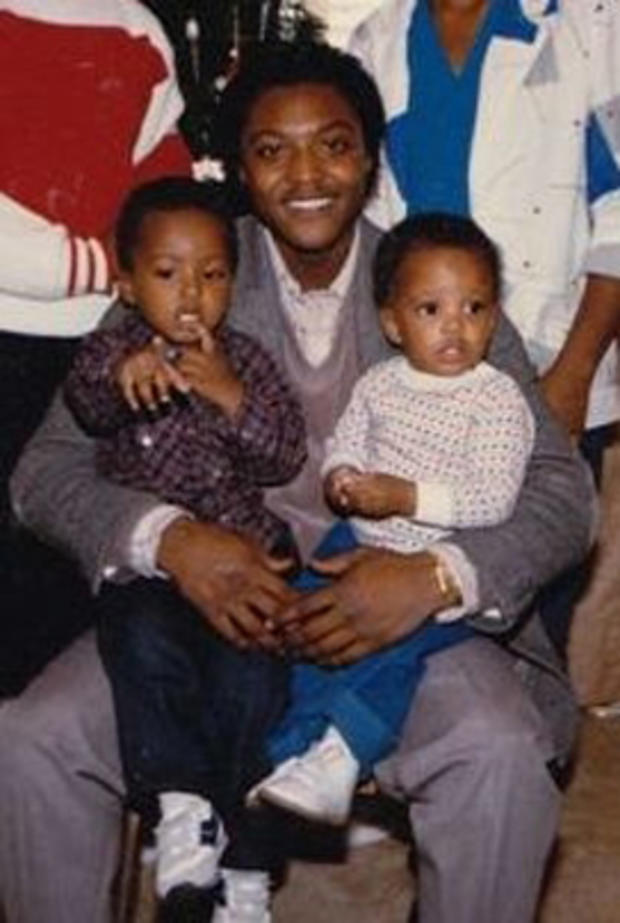
Anthony Graves is shown with two of his three sons, Alex and Terrell. Roy Rueter knew his friend Graves as a gregarious and gentle man who loved women and couldn't imagine him ever hurting a child or a woman - especially the way Graves loved his own children.
Anthony Graves
Arthur Curry has remained steadfast in his claim that his brother, Anthony Graves, was with him at home at the time of the murders. Curry was the only alibi witness out of three to testify at Graves' trial.
Anthony Graves
Anthony Graves' sister, Deitrich, was another alibi witness. She was also in the apartment with Anthony the night of the murders. Deitrich was never called by the defense to corroborate her brother's story.
CBS News
Anthony Graves had an even more important alibi witness - someone not related to him: his girlfriend, Yolanda Mathis. But on the day she was to testify, she unexpectedly refused. Her absence would leave a gaping hole in Graves' defense. She later explained she had felt intimidated by the prosecution.
CBS News
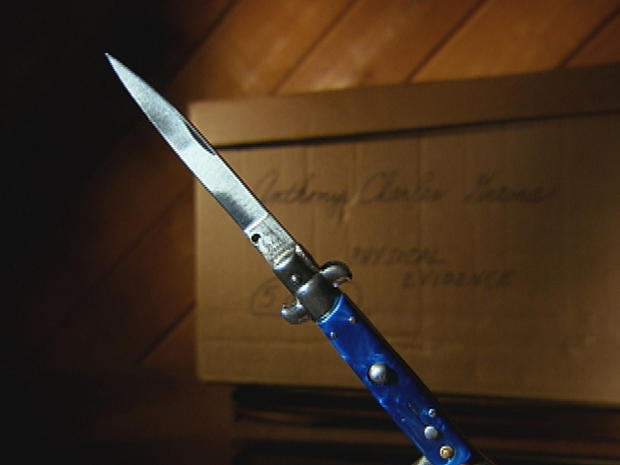
Roy Rueter's knife, shown here, was introduced in court as being identical to one that Anthony Graves had owned. Rueter reluctantly went on to testify against his friend after he was told by members of the D.A.'s office that the knife had fit into the skull wounds of two of the victims.
CBS News
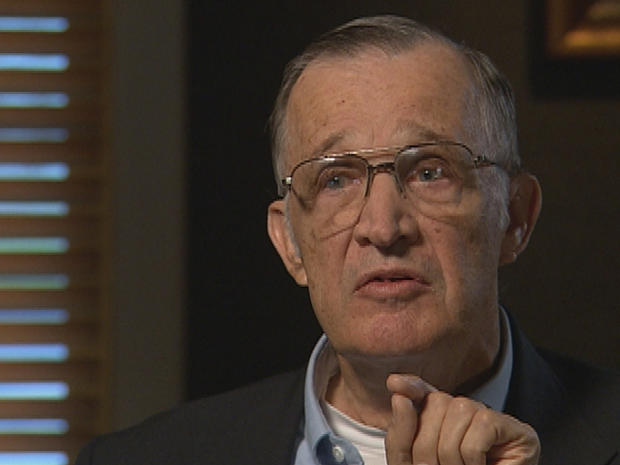
Burleson County D.A. Charles Sebesta was confident in his case and in Anthony Graves' guilt. As he points out, he not only had the knife evidence but the words of Robert Carter against Anthony. Carter later recanted and the knife evidence was refuted.
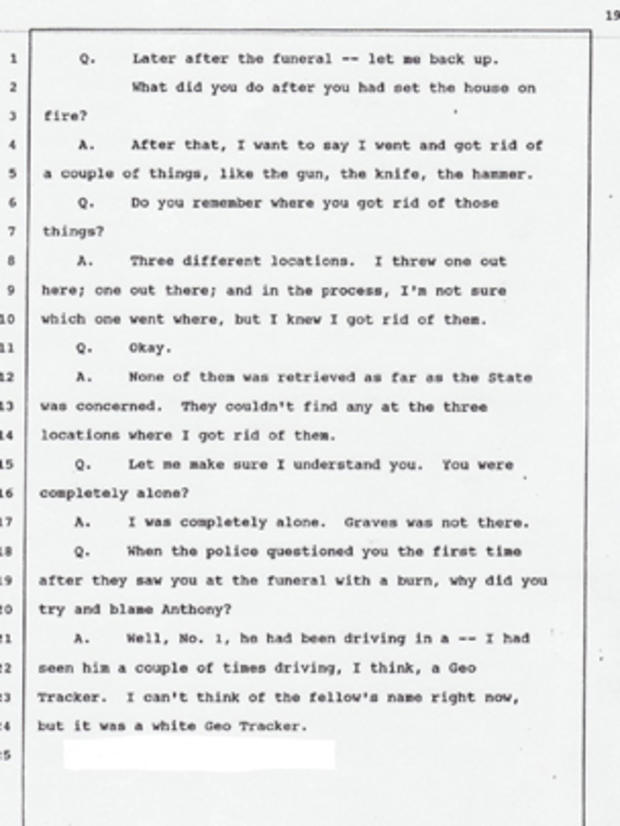
Deposition excerpt courtesy of Scardino and Phillips
In this deposition from June 1998, Robert Carter not only claims sole responsibility for the murders, but admits that the only reason why he had named Anthony Graves was because he had seen him driving on the street before he was arrested.
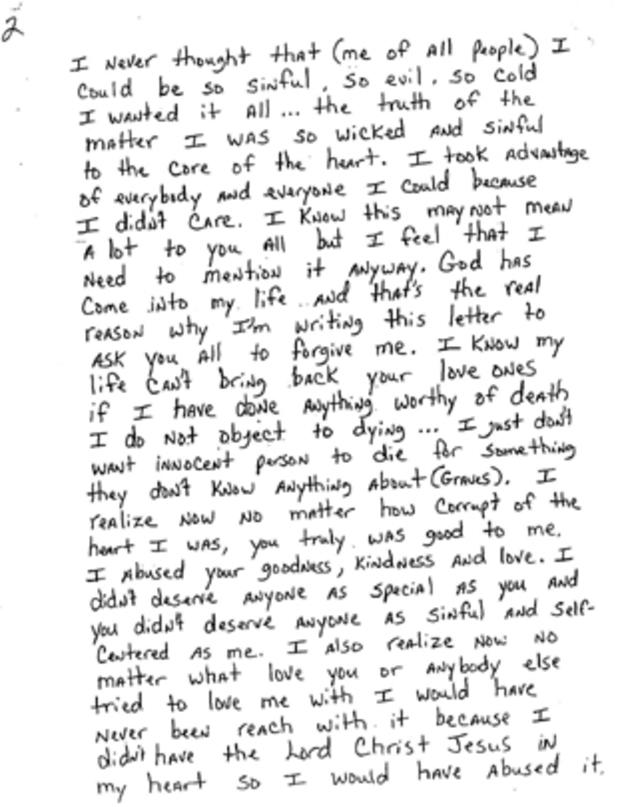
Letter courtesy of Scardino and Phillips
In one of his many letters from Death Row, Robert Carter apologizes to the victims' family and states that Anthony Graves is innocent.
CBS News
In 2006, Anthony Graves' conviction is overturned by the Fifth Circuit Court of Appeals in New Orleans. Anthony was moved from death row to a jail where he was to await a new trial.
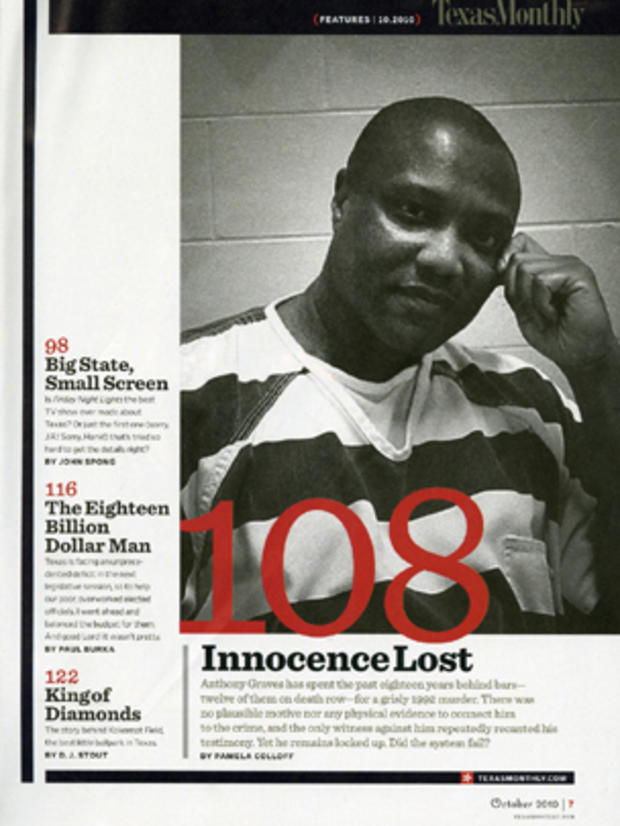
Texas Monthly
In fall 2010, reporter Pamela Colloff's investigation of the Anthony Graves case yielded one of the longest articles in the history of Texas Monthly Magazine.
CBS News
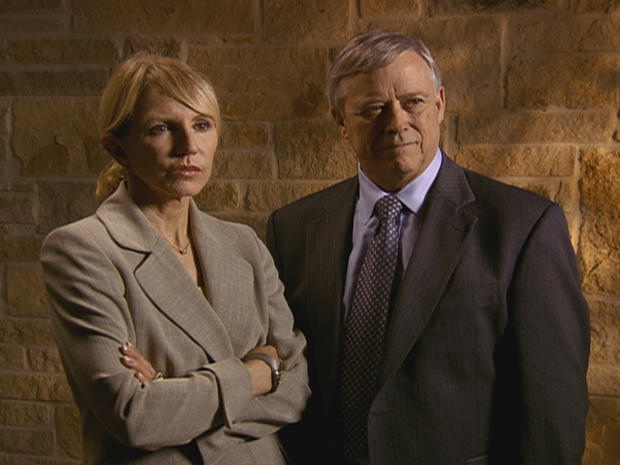
Veteran defense attorneys Jimmy Phillips Jr. and Katherine Scardino are appointed to defend Anthony Graves. Scardino and Phillips steadfastly believe in Anthony's innocence and Scardino points out that Anthony has never wavered once from his claims of innocence, he even turned down a plea bargain in exchange for a life sentence. "He said, 'I can't do that, I won't do it. I'd rather die.'"
CBS News
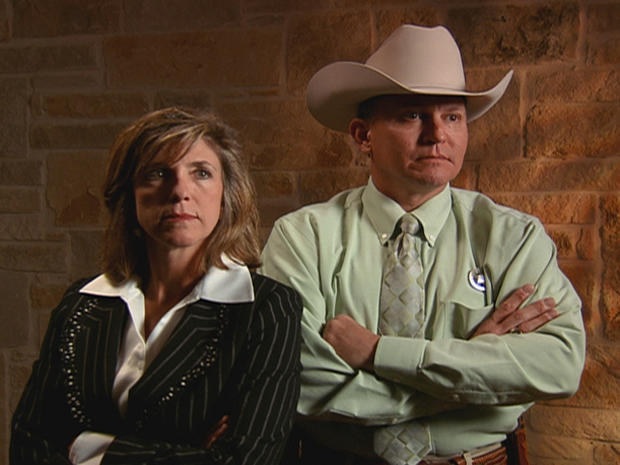
Prosecutor Kelly Siegler and former Texas Ranger Otto Hanak. Anthony Graves' defense team was preparing to face down the legendary prosecutor in court. Little did they realize that Siegler and Hanak had come to the conclusion - through their own investigation - that Anthony Graves was an innocent man.
Nicole Casarez
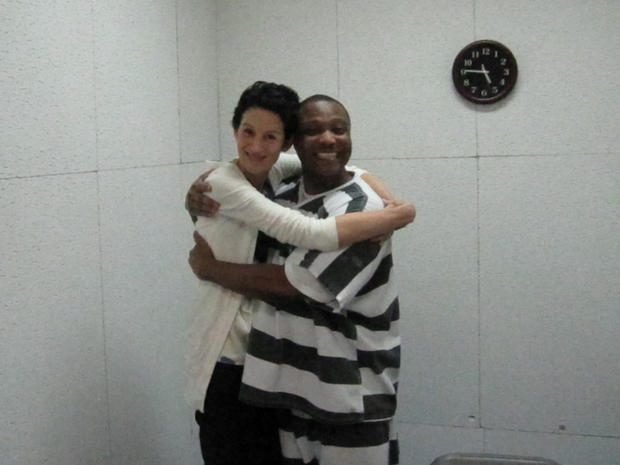
On Oct. 27, 2010, Nicole Casarez and Jimmy Phillips Jr. went to see Anthony Graves at the Burleson County Jail. They told him that his 18-year justice nightmare was over. The charges had been dropped and he was a free man. This is a photo taken of Casazez and Graves after he learned the news.
AP Photo
Today, Anthony Graves works for a group that examines the innocence claims of Death Row inmates. When asked if he ever gave up hope while he was in prison, Anthony says, "I never gave up hope, I never gave up hope, because once you do, you're just a dead man walking."