istockphoto
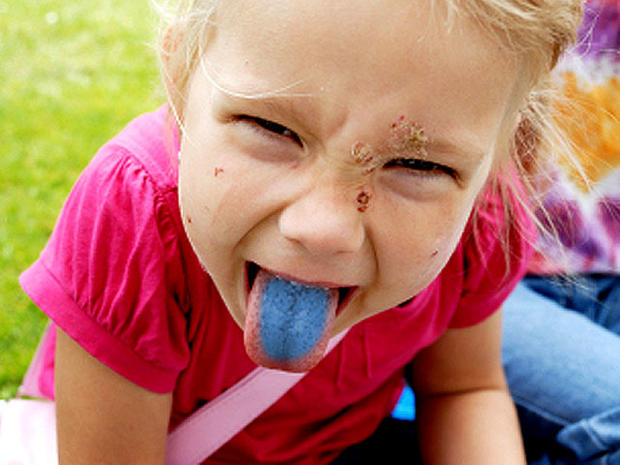
Do food dyes trigger hyperactivity? Some scientists say they do, at least in some children. And now the FDA has convened a panel to weigh the evidence linking these petroleum-based dyes to the behavioral disorder. The move could lead to warning labels on many foods kids love, including candy and breakfast cereals, though experts say it's unlikely the government will follow Europe's lead in banning the dyes.
Eight dyes are in the spotlight, according to the Center for Science in the Public Interest, which in 2008 petitioned the FDA to ban them. Keep reading to see all eight - and the foods that often contain them.
istockphoto
Also known as Brilliant Blue, blue #1 is used in baked goods, beverages, cereals, condiments, and dessert powders.
Blue #2
istockphoto
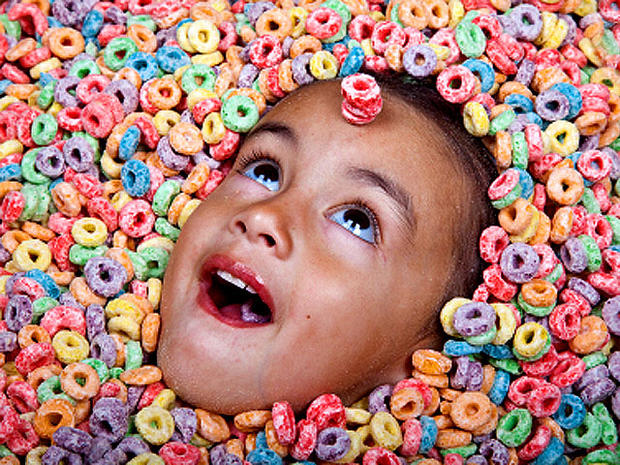
All sorts of foods and beverages (and drugs) contain blue #2, a.k.a. Indigo Carmine, including grain bars, and cereals, frozen waffles, and other breakfast foods.
Green #3
istockphoto
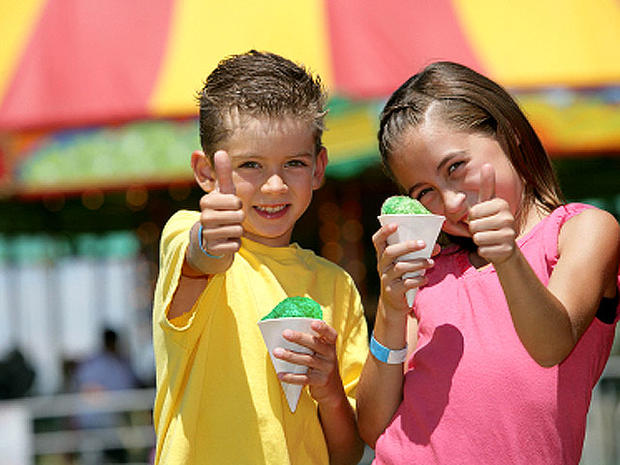
Green #3 is used less frequently than some other dyes. Still, it's found in candies, beverages, dessert powders, ice cream and sorbet, and doughnuts (as well in some drugs and cosmetics). It's also known as Fast Green FCF.
Orange B hot dogs sausage casings
istockphoto
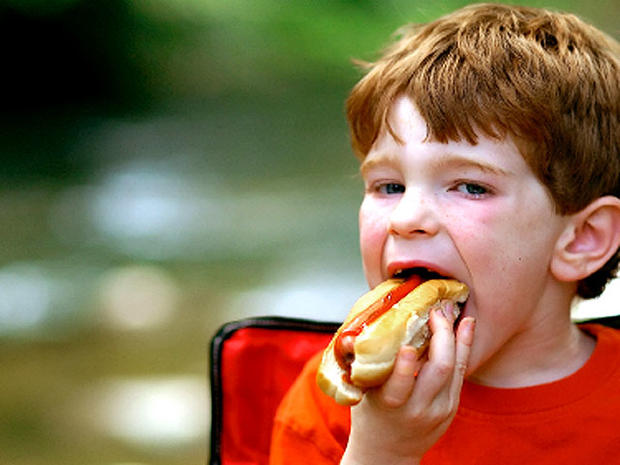
Are hotdogs a staple in your house? Frankfurter and sausage casings can contain Orange B.
Red #3
istockphoto
Baked goods, candy, popsicles, sausage casings, and maraschino cherries are among the foods that contain Fed #3, or Erythrosine B.
Red #40
istockphoto
This is by far the most commonly used dye. It's found in beverages, baking mixes and baked goods, dessert powders, cereals, and other foods.
Yellow #5
istockphoto
Also known as Tartrazine, yellow #5 is found in gelatin desserts, baked good, candies, cereals, and other foods (pet foods too).
Yellow #6
istockphoto
Sausages, gelatin desserts, baked goods, beverages, cereals, and candy are among the foods that can contain yellow #6, a.k.a. Sunset Yellow.