istockphoto
Do you take supplements? More than half of adults do, with the hopes that the pills will help them stay healthy, lose weight, treat a specific ailment, or gain an edge in sports - or maybe in the bedroom. But just because a supplement is available over the counter doesn't mean it's effective or even safe - and some supplements are decidedly dangerous.
How do you know what to consider taking and never to take? Keep clicking as Dr. Orly Avitzur, medical advisor at Consumer Reports, gives her an authoritative thumbs up or thumbs down to 22 popular supplements.
istockphoto
Thumbs down. Aconite is a plant whose root contains toxic chemicals. Aconite supplements should never be used, as they can cause nausea, vomiting, sweating, weakness, and even death. Despite these safety concerns, some people take aconite for ailments ranging from facial paralysis, joint pain, gout, and finger numbness to skin diseases and hair loss.
Bitter orange
istockphoto
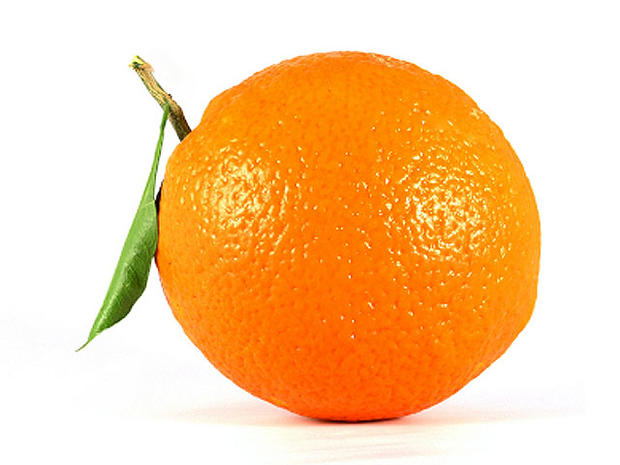
Thumbs down. Applied to the skin, oil from the bitter orange peel may be effective for jock itch and other fungal infections. Oral preparations of bitter orange - found in some "ephedra-free" weight loss and bodybuilding products - can cause rapid pulse and high blood pressure. There's simply no evidence that bitter orange is safer than ephedra.
Chaparral
istockphoto
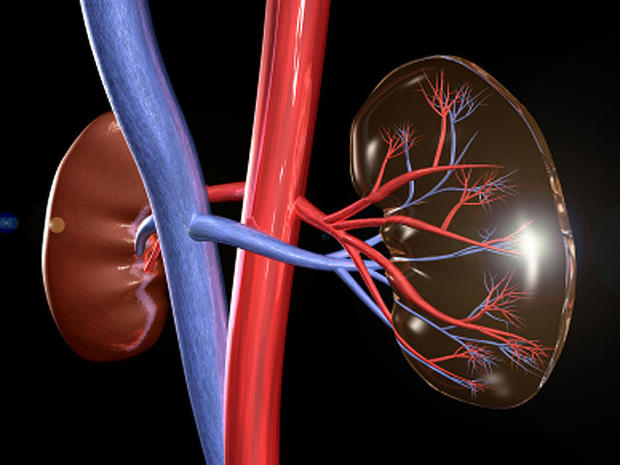
Thumbs down. Preparations made from the leaf of the chaparral plant are used for cramps, intestinal gas, and colds, as well as for more serious conditions like arthritis and cancer. Some people use chaparral for "detoxification," or as a "blood purifier." The FDA has urged consumers to avoid using chaparral, and the herb has been linked to kidney and liver failure. But the products remain on the market.
Coenzyme Q10
istockphoto
Thumbs up. Although proof is lacking, evidence suggests that CoQ10 (a vitamin-like compound also known as ubiquinone) can help prevent migraine, slow progression of Parkinson's disease, ease effects of muscular dystrophy, and possibly lower blood pressure. Preliminary evidence suggests that it might also reduce the muscle aches that cholesterol-lowering statin drugs can cause, but there's not yet enough research to recommend it for that purpose. Because CoQ10 can lower blood pressure, speak with your doctor before taking it if you take blood pressure medication.
Colloidal silver
istockphoto
Thumbs down. Silver has no known function in the body. Taking it can lead to a buildup of silver in the liver, spleen, kidney, muscle, and brain. The skin, too, can be affected, which is why some people turn blue - literally. Colloidal silver products were once sold over-the-counter. In 1997, the FDA ruled that drugs containing colloidal silver were considered neither safe nor effective. But people still buy colloidal silver dietary supplements, using them for a wide range of ailments including yeast infection, parasites, skin conditions, and herpes and HIV/AIDS.
Coltsfoot
istockphoto
Thumbs down. The leaf of this plant, a.k.a. Coughwort, is used to treat bronchitis, asthma, and whooping cough, among other ailments. But it's unsafe. Like comfrey, it contains compounds known as pyrrolizidine alkaloids (PAs), which have been linked to liver damage and cancer. Coltsfoot supplements sold in the U.S. are not required to list the amount of these dangerous compounds they contain. If the package doesn't specify "hepatotoxic PA-free," assume that it contains the toxic compounds.
Comfrey
istockphoto
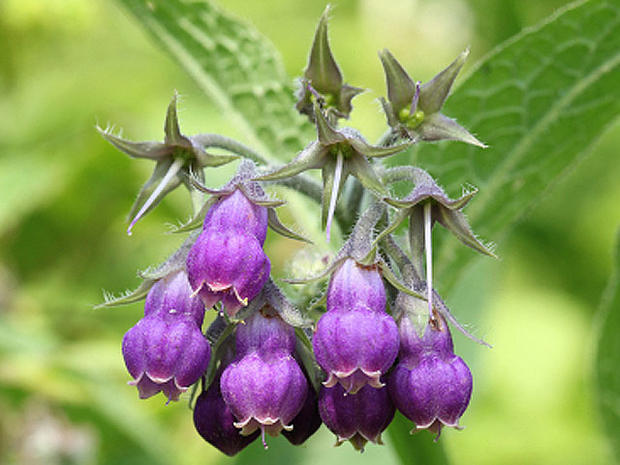
Thumbs down. In 2001 the FDA advised manufacturers to remove comfrey products from the market - and no wonder. The herb has been blamed for liver and lung damage and even cancer. Some preparations of comfrey, which is used to treat diarrhea, sore throat, and other conditions, contain poisonous compounds known as pyrrolizidine alkaloids.
Country Mallow
J.M.Garg
Thumbs down. Preparations of this plant - also known as heartleaf - contains ephedrine, an amphetamine-like substance that was banned by the FDA in 2004 after being linked to heart attack and stroke. But people still use Country Mallow to treat conditions ranging from asthma and allergies to heart disease, weight loss, and nerve pain.
Cranberry
istockphoto
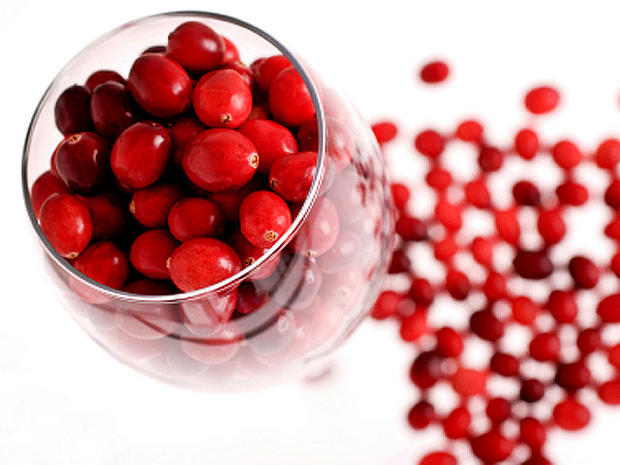
Thumbs up. Cranberry juice and extracts can help prevent and treat urinary tract (bladder) infections. Taking too much can cause stomach upset or diarrhea, and may increase the blood-thinning effect of warfarin, a popular anticoagulant.
Fish oil
istockphoto
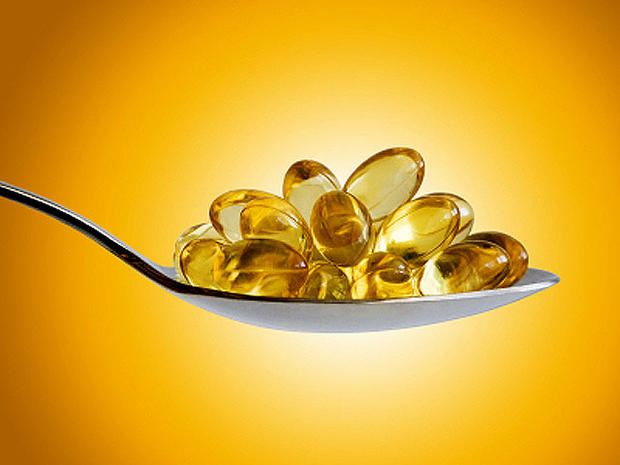
Thumbs up. Oil from mackerel, herring, and other fish contains omega-3 fatty acids that can lower the risk for stroke and heart disease - when taken as recommended. Taking too much can cause a stroke. Omega-3s have also been found to reduce joint tenderness caused by rheumatoid arthritis, and they might elevate mood and help prevent cognitive decline, eye disease, and some cancers. Side effects include belching, bad breath, nausea, and nosebleeds. Facing surgery? Talk to your doctor about going off fish oil in advance, as it can interfere with blood clotting.
Germanium
http://images-of-elements.com/germanium.php
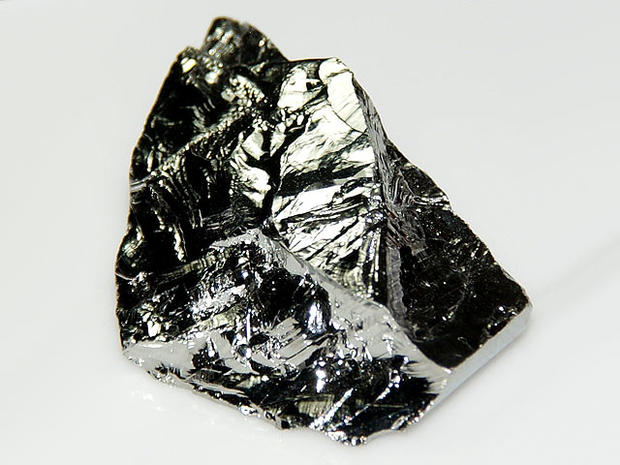
Thumbs down. Germanium, a chemical element, is used to treat a laundry list of ailments, including high blood pressure and high cholesterol, glaucoma, cataracts, hepatitis, cirrhosis, osteoporosis, and HIV/AIDS. But it's unsafe, with dozens of cases of kidney failure and even death having been reported.
Greater Celandine
istockphoto
Thumbs down. This plant is used for a variety of ailments, including constipation, stomach upset, and irritable bowel syndrome as well as liver and gallbladder problems and stomach cancer. Some people swallow it. Others apply it to the skin. But taken orally, Greater Celandine can cause serious liver problems. On the skin, it can cause a rash.
Kava
istockphoto
Thumbs down. Pacific islanders have used the root of the kava plant for thousands of years. Today they use it to make a beverage and drink it socially, similar to the way Western cultures use alcohol. In the U.S., kava is used to curb anxiety and insomnia. But it can cause liver damage even when used in typical doses for short periods. In 2002, the FDA issued a warning about its use, and it's now banned in some countries, including Canada and Germany.
Lobelia
iStockphoto
Thumbs down. Lobelia, a.k.a. "pokeweed" and "vomit wort," is sometimes taken for respiratory problems like asthma and bronchitis. It contain chemicals that seem to thin the mucus, but the evidence to support its effectiveness is lacking. Worse, lobelia cause some nasty side effects, including nausea, vomiting, diarrhea, cough, dizziness and tremors. Take an overdose, and you could be facing convulsions, coma, and possibly death.
Magnesium
istockphoto
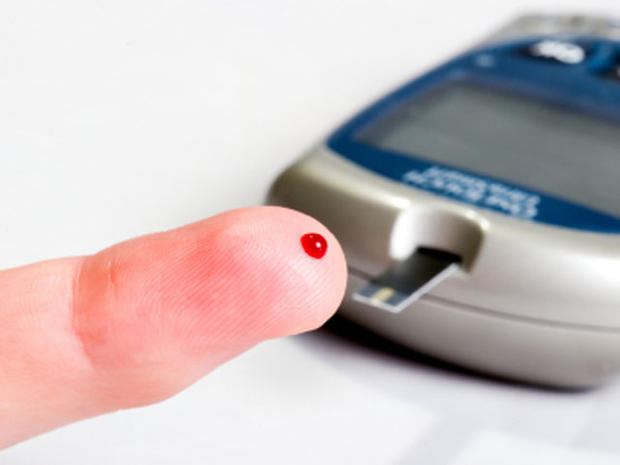
Thumbs up. By boosting the body's absorption of calcium, magnesium can bolster bones. It may also prevent abnormal heart rhythms and blood clots, and help control blood sugar. Large studies have shown that people who consume lots of magnesium are less likely to develop type 2 diabetes. For people already diagnosed with diabetes, some evidence suggests that magnesium supplements might help control blood sugar. If you're not sure you get the recommended daily intake of magnesium (320 mg for women, 420 for men), ask your doctor about having your blood tested. Be aware that some drugs, including certain antibiotics and diuretics, can deplete magnesium levels. Take magnesium supplements only with a doctor's supervision.
Probiotics
istockphoto
Thumbs up. The "good" bacteria found in probiotic products seem to be helpful in easing stomach upset and diarrhea associated with the use of antibiotics. In addition, probiotics may help ease inflammation caused by H. pylori, an ulcer-causing germ. If you buy probiotic pills, read the label carefully - some products require refrigeration. Another option is to take yogurt labeled as containing "live and active cultures."
Psyllium
istockphoto
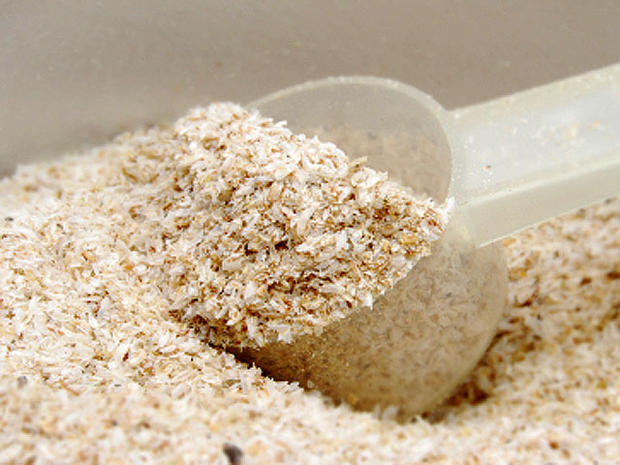
Thumbs up. Dietary fiber seems to help lower levels of LDL (bad) cholesterol, possibly by absorbing fat in the gut. It's best to get your fiber from beans, oats, produce, and whole grains. But Metamucil and other supplements made from blond psyllium seeds husks can also help cut cholesterol levels, as well as ease constipation and soften the stool, and perhaps help control high blood pressure, diabetes, cancer, weight control, and kidney disease. Psyllium can interfere with the action of certain medications, so consult a doctor first.
Don't confuse blond psyllium with black psyllium, whose use is supported by less scientific evidence and which is more likely to cause choking.
Pygeum
istockphoto
Thumbs up. The bark of the pygeum tree, a.k.a. African plum, is used to treat symptoms of benign prostatic hypertrophy (BPH, or enlarged prostate) and prostate cancer. It does seem to help with low urine flow, nighttime urination, and other BPH symptoms.Though considered safe for most people, it can cause nausea and abdominal pain.
SAMe
istockphoto
Thumbs up. SAMe, a substance that occurs naturally in the body, has been available as a dietary supplement in the U.S. for more than a decade. It seems effective against depression and osteoarthritis pain. SAMe is considered safe for most people, but it can cause gas, vomiting, diarrhea, constipation, dry mouth, headache, mild insomnia, anorexia, sweating, dizziness, and anxiety.
St. John's wort
istockphoto
Thumbs up. Remedies made from the flowers and leaves of this plant have been used as far back as ancient Greece. It's commonly used for depression and related conditions like anxiety, fatigue, insomnia, and loss of appetite. Its effectiveness against mild to moderate depression is supported by strong scientific evidence. Side effects include insomnia, vivid dreams, anxiety, dizziness, headaches, skin rash, tingling, and sensitivity to sunlight. In addition, St. John's wort can affect the action of various drugs, including birth control pills, heart medications, HIV/AIDS drugs, and antibiotics.
Stanols and Sterols
istockphoto
Thumbs up. These naturally occurring substances - found in nuts, seeds, and whole grains - appear to lower cholesterol levels in the body. Manufacturers add them to foods, such as Benecol spread, and put them in supplements. Just how big is the cholesterol-lowering effect? Research suggests that a stanol called sitostanol might lower LDL cholesterol by up to 15 percent, and perhaps boost the effectiveness of certain statin drugs. Stanols and sterols can cause side effects, including diarrhea. One sterol, beta-sitosterol, has been linked to erectile dysfunction and loss of libido.
Yohimbe
iStockPhoto
Thumbs down. The bark of an African tree, yohimbe contains a substance called yohimbine touted as a remedy for low sex drive and erectile dysfunction, among other conditions. But even typical doses of the supplement can cause high blood pressure and rapid pulse. Large doses can cause dangerously low blood pressure, heart trouble, and even death.