Wrongfully Convicted: Taxpayers shouldn't pay to "prosecute prosecutor" in notorious Ill. murder case, court finds
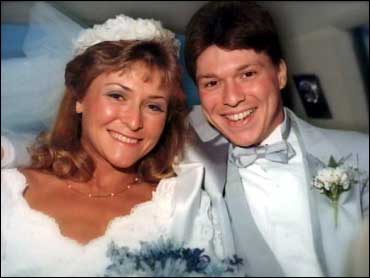
(CBS) Gordon "Randy" Steidl and Herbert Whitlock, two men whose murder convictions in Illinois were overturned after decades, have long alleged that the prosecutor presented false evidence, coerced witnesses and manipulated their testimony, the Chicago Tribune reported.
Now, the Illinois Supreme Court has ruled that taxpayers should not foot the bill to defend the prosecutor accused of wrongfully trying the men for murder.
According to the newspaper, the ruling last Thursday reversed a lower-court ruling that found the office of Attorney General Lisa Madigan must pay to represent Michael McFatridge; he's the former state's attorney whose role in the 1987 prosecution of Steidl and Whitlock for the 1986 murder of Dyke and Karen Rhoads has been the subject of multiple lawsuits.
Steidl was released in 2004 and Whitlock in 2008. Steidl was incarcerated for 17 years, 12 of them on death row. Whitlock served 21 years in prison. A federal court found their claims of malicious prosecution credible.
The pair made similar claims against Illinois State Police investigators as well as local police. Millions of dollars already have been paid to the men in a combination of state money and local government insurance policies. But McFatridge still faces a lawsuit from Steidl over his conduct, the Tribune reported.
Officials in Madigan's office Thursday applauded the ruling, calling it a victory for taxpayers.
"When an elected official engages in intentional misconduct, taxpayers shouldn't have to foot their legal bills," Madigan spokeswoman Natalie Bauer said.
McFatridge's lawyer argued that the attorney general was bound by Illinois law to pay for the former prosecutor's defense, and that the ruling will produce a chilling effect on prosecutors across the state.
According to the Tribune, the attorney general's chief of staff, Ann Spillane, called that argument hyperbolic, noting that in most cases prosecutors have immunity from lawsuits. And, she said, the specifics of this case are unusual because the attorney general was deeply involved in reinvestigating the 1986 murder of Dyke and Karen Rhoads, giving the office a thorough understanding of prosecutor McFatridge's conduct.
"It was only because we had that very significant investigative record that the attorney general was able to reach that conclusion," Spillane said.