What are today's mortgage interest rates: January 2, 2026?
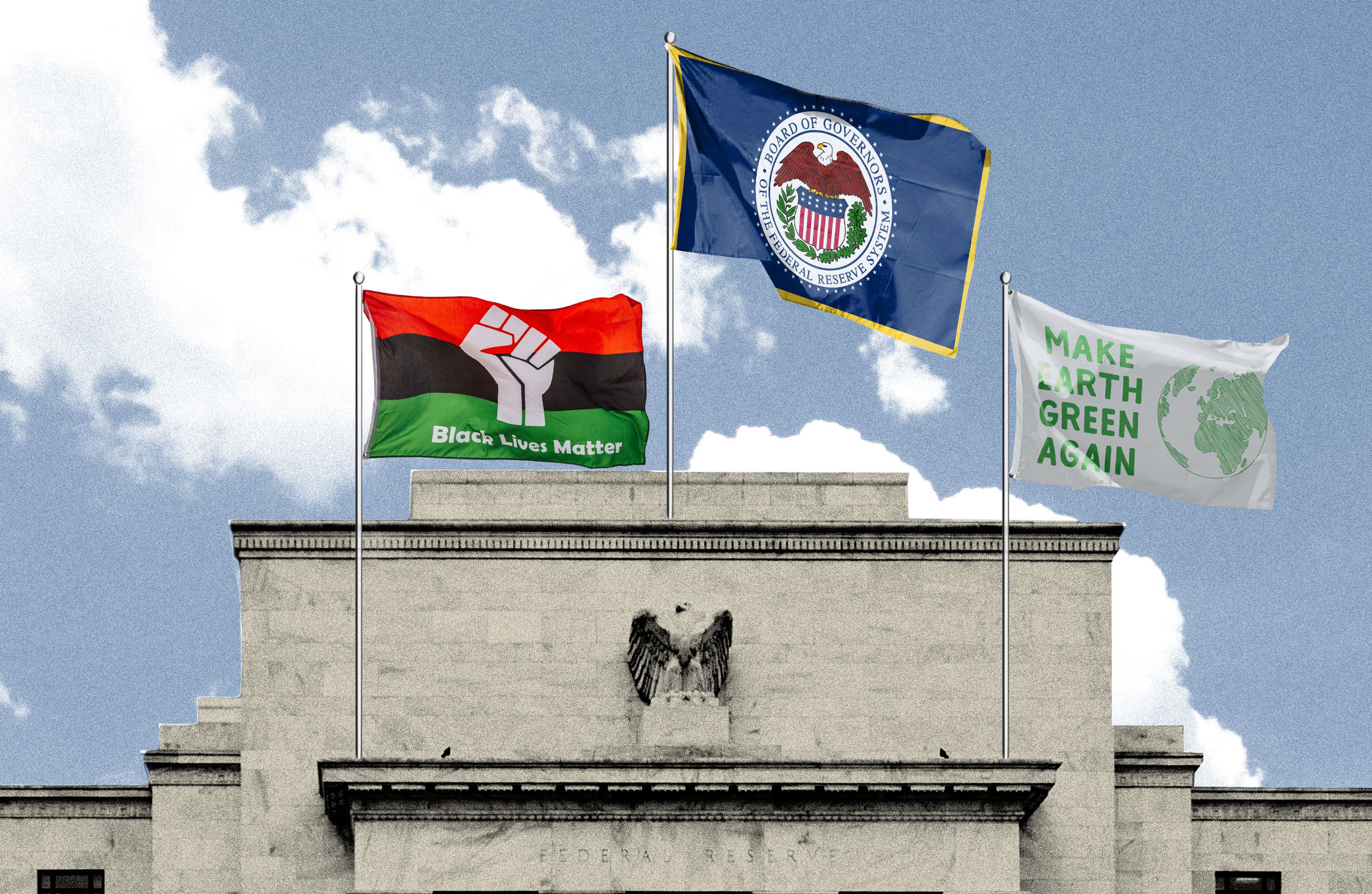
After a turbulent few years for homebuyers, the housing market is entering 2026 with a very different tone, thanks in large part to the Federal Reserve's rate-cutting campaign in late 2025, which fundamentally reshaped the mortgage landscape heading into this new year. Between September and December, the central bank delivered three consecutive rate reductions totaling 75 basis points, signaling a clear shift in monetary policy as inflation pressures finally began to ease. For homebuyers who spent the past two years watching from the sidelines, these policy moves have created a much more favorable borrowing environment.
For example, mortgage rates now sit substantially lower than the 7% or higher levels that dominated much of 2023 and early 2024, when elevated borrowing costs effectively froze many would-be buyers out of the market. The transformation to the borrowing landscape has been particularly dramatic in recent months, though, with mortgage rates declining steadily through the fourth quarter of the year. While the journey here wasn't entirely smooth — rates occasionally spiked when economic data came in hotter than expected or when bond markets reacted nervously to global events — the overall trend has pointed downward.
The critical question now, though, is whether these improved conditions represent a genuine window of opportunity for homebuyers. Mortgage rates tend to change daily, after all, and the numbers available right now may look different by next week. So, where do mortgage and refinance rates actually stand now?
Find out how to lock in a low mortgage rate now.
What are today's mortgage interest rates?
As of January 2, 2026, the average mortgage interest rate on a 30-year fixed mortgage is 5.99%, while the average rate on a 15-year fixed mortgage is 5.38%, according to Zillow's data. Both averages continue to hold below the 6% mark, a threshold that, not long ago, seemed out of reach given the elevated rate environment of recent years.
For prospective buyers, this shift opens the door to monthly payments that are materially lighter than they would have been at the same time last year. And because these are just national averages, credit-strong borrowers who shop around may find slightly better offers, even if the differences are measured in basis points rather than full percentage points.
Those small differences matter. A tenth of a percent shaved off a 30-year term can translate into thousands of dollars saved over the life of a loan, and on a 15-year term, the impact can be even more pronounced. That's why it's worth comparing multiple lenders before committing, especially while rates remain in a more favorable band.
It's also worth keeping an eye on how mortgage rates respond in the days and weeks ahead. Markets have already priced in much of the Fed's recent activity, but further improvements in inflation or softening labor data could support additional declines. Conversely, any surprise shifts in economic indicators could put upward pressure on rates again.
In short: Today's averages are attractive relative to much of the past two years, but they won't necessarily stay that way.
Compare your mortgage loan options online today.
What are today's mortgage refinance rates?
For homeowners considering mortgage loan refinancing, today's averages paint a mixed picture. As of January 2, 2026, the average refinance rate for a 30-year mortgage loan is 6.67%, Zillow data shows, while the average 15-year mortgage loan refinance rate stands at 5.64%.
The refinance landscape has been slower to improve than purchase rates, which is typical. Lenders tend to price refinance products more conservatively unless volume increases or competition intensifies. Still, for a subset of homeowners, particularly those carrying rates in the mid-7% range or higher, today's averages may finally hit the thresholds many experts recommend before refinancing.
For example, if you're able to drop your rate by at least 0.50% to 1%, and you plan to stay in your home long enough to recoup closing costs, a mortgage loan refinance could make financial sense. The 15-year refinance option, in particular, may appeal to borrowers aiming to pay off their mortgage sooner while locking in a lower rate. Just keep in mind that shorter terms come with higher monthly payments, even if the long-term interest savings are substantial.
As with purchase loans, the biggest variable is timing. Given how much mortgage rates have shifted over the past year, it's smart to run the numbers now and again in the weeks ahead. The narrowing gap between today's refi averages and purchase averages suggests that conditions may continue to improve, but there are no guarantees.
The bottom line
Mortgage rates are starting the year on a relatively encouraging note. Today's average rate of 5.99% for a 30-year mortgage and 5.38% for a 15-year term represent meaningful progress from the highs of the past few years. And while refinance rates — 6.67% for a 30-year refi and 5.64% for a 15-year option — remain slightly elevated, they may still offer worthwhile opportunities for some homeowners.
Whether you're planning to buy or refinance, this early-2026 window could present a chance to secure a more manageable rate. So, it could make sense to speak with a mortgage lender who can help you compare offers, assess your budget and determine whether today's numbers align with your financial goals.