What are the disadvantages of debt consolidation?
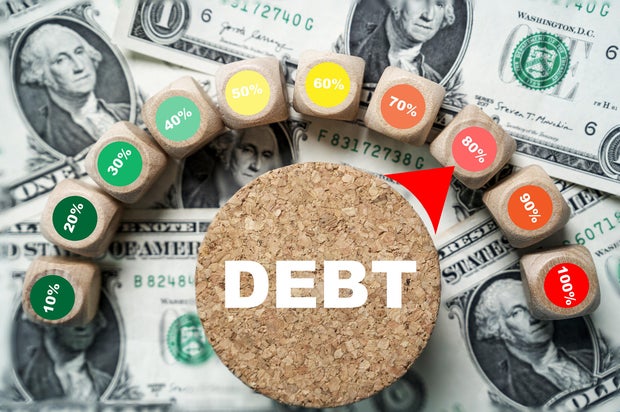
Financial stress has a way of sneaking up on people. All it takes is one high-rate credit card balance here or a personal loan there, and suddenly you're juggling five monthly payments that barely move the needle on the balance. It's a scenario millions of Americans are navigating right now, as inflation is driving up costs and consumer debt is continuing to climb. So, it's hardly a surprise that debt consolidation has become a popular option for those trying to lower and simplify their debt payments.
And on the surface, consolidating your debt sounds like a win. After all, you'd be dealing with one monthly payment instead of several. And, you'd potentially trade your high credit card rates for a loan with a lower rate. You'd even get a clear payoff date, which many revolving accounts don't offer. So, if you're feeling overwhelmed by rapidly compounding debt, it can feel like the lifeline you've been waiting for.
But the promise of an easier, cleaner repayment plan doesn't always translate to long-term savings or real relief. That's because debt consolidation has a few hidden trade-offs. Before you pursue it, it's worth understanding what you might be giving up in exchange.
Get started on the path to debt relief today.
What are the disadvantages of debt consolidation?
Debt consolidation can help the right borrower, but it's not universally beneficial. Here are some of the downsides to weigh before making any moves:
You may not qualify for a lower interest rate
Debt consolidation only works if the new loan rate is meaningfully lower than what you're paying on your current debts. And, while it's often possible to secure a loan with a lower rate than credit cards, which are currently sitting at a record-high of over 22%, lenders typically reserve their best loan rates for borrowers with strong credit. If your credit score has dipped because of high balances or late payments, you could end up with a consolidation loan rate that's no better than your current cards.
Find out what alternative debt relief strategies are available to you now.
You could stretch out your repayment timeline
Debt consolidation loans often come with multi-year repayment terms. That lowers your monthly payment, which feels helpful, but it can also increase the total amount of interest you'll pay over time. In other words, a lower payment doesn't always equal a cheaper payoff, and borrowers may get caught off guard when they tally the full cost.
You may pay fees you weren't expecting
Origination fees, late payment charges and other related debt consolidation loan fees can all add up over time. Some lenders charge as much as 5% upfront just to issue a debt consolidation loan, which can drive up the costs quickly. For example, if you're taking out a $15,000 debt consolidation loan, that 5% fee means that $750 in origination fees will be added to your debt before you've even started paying it down. Some lenders will also charge prepayment penalties if you pay off the loan early, so it's important to have a clear idea of the full costs before making any moves.
It won't fix overspending or underlying financial issues
A single payment via a debt consolidation loan can simplify your finances, but it won't change the behaviors or circumstances that led to the debt in the first place. Some borrowers consolidate, feel a sense of relief and then start racking up new balances again, creating an even deeper hole. So, without a budget, emergency fund or spending adjustments, consolidation may not deliver lasting relief.
Your credit score could temporarily dip
Applying for a debt consolidation loan involves a hard credit inquiry, which can lower your score. Closing old accounts or consolidating balances onto a new one can also impact your credit utilization ratio and length of credit history. While many borrowers recover over time, the short-term credit score dip can matter if you're planning to apply for a mortgage, car loan or lease soon.
What other strategies should I consider?
If consolidation isn't the right fit, there are other ways to create breathing room in your budget, including the following:
- Professional debt settlement: If you're struggling with large balances, high APRs or accounts already in collections, a debt relief company can help you negotiate with your creditors to reduce what you owe. This option comes with extra fees, but it could also greatly reduce what you owe.
- Debt management: A credit counseling agency can help you organize your debts, negotiate lower interest rates and consolidate your payments into a structured plan without taking out a new loan. The monthly payments are predictable, and many plans result in reduced interest charges, making it easier to pay off what's owed.
- DIY negotiation: Borrowers with past-due or high-rate accounts may be able to negotiate directly with their creditors or collection agencies to try and lower interest rates, reduce fees or agree on partial settlements.
- Bankruptcy: For borrowers facing overwhelming debt, persistent hardship or legal action like wage garnishment, filing for bankruptcy can offer a fresh start. While it carries long-term credit implications, it can also wipe out eligible unsecured debts and stop collections immediately.
The bottom line
Debt consolidation can simplify your repayment strategy, but it isn't a guaranteed shortcut to financial freedom. Whether the drawbacks outweigh the benefits will depend on your credit, budget and long-term goals. Before committing to any strategy, though, it's important to compare all your options, from debt relief to DIY negotiation to bankruptcy, to find the path that provides real, sustainable relief.