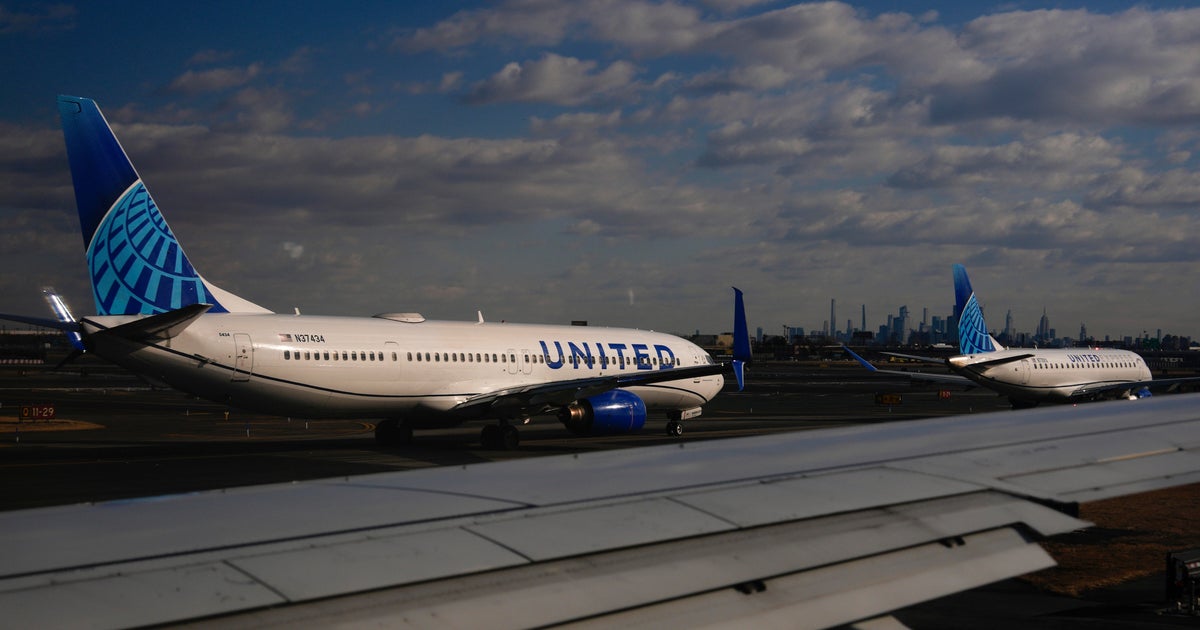
Weight loss drugs could save airlines money on fuel as Americans slim down
Airlines could have weight loss drug manufacturers to thank for savings if passengers become lighter, allowing carriers to spend less money on fuel.
As GLP-1 medications for weight loss become accessible to more Americans, they are expected to have a slimming down effect on society. The implication for airlines is lower fuel consumption and therefore cost savings, a recent analysis from Jefferies Research Services shows.
Fuel costs are directly related to the weight of planes, including passengers, their luggage and other essential cargo. A heavier plane requires more fuel, while a lighter aircraft uses less.
Airlines have always taken steps to keep aircraft as light as possible and limit fuel consumption, from serving pit-less olives to using thin or light paper stock, according to the Jefferies analysis.
Airlines "have a long history of searching for unique methods to reduce the weight of the aircraft, in turn reducing fuel consumption and limiting an airline's largest cost bucket," analysts said in the report.
They have no ability to limit how much passengers weigh, however.
If weight loss drugs like Ozempic and Wegovy lead to a 10% slimmer society, the analysts found that would translate to total airline passenger weight declining by 2%. For airlines, this means 1.5% in fuel savings, plus a 4% boost to earnings per share, according to the analysis.
Jefferies used the example of a Boeing 737 Max 8 aircraft to model the savings. It weighs 99,000 pounds empty and can carry 46,000 pounds of fuel. If it seats 178 passengers with an average weight of 180 pounds, plus about 4,000 pounds of other cargo, its total takeoff weight reaches 181,200 pounds. By contrast, if passengers slim down by 10%, to weigh an average of 162 pounds, that aircraft's total weight drops to 177,996 pounds.
Jefferies found that translates to $580 million in fuel savings annually for the top four carriers in the U.S. — American, Delta, Southwest and United. Those airlines are expected to spend $38.6 billion combined on jet fuel this year.
Jefferies conducted the study in response to pharmaceutical companies developing weight loss pills and following a 2023 report it released studying the effects of weight loss on fuel costs.
"With the drug now available in pill form and obesity rates falling, broader usage could have further implications for waist lines," analysts said.