Grand jury refuses to re-indict Letitia James after earlier fraud charges were thrown out
Federal grand jurors declined to indict New York Attorney General Letitia James on Thursday, a U.S. official said, marking another blow to the government's case after a judge tossed out the Justice Department's bank fraud charges against the Trump foe last week.
The grand jury in Norfolk, Virginia, voted down an indictment after it was presented by federal prosecutors, the official said.
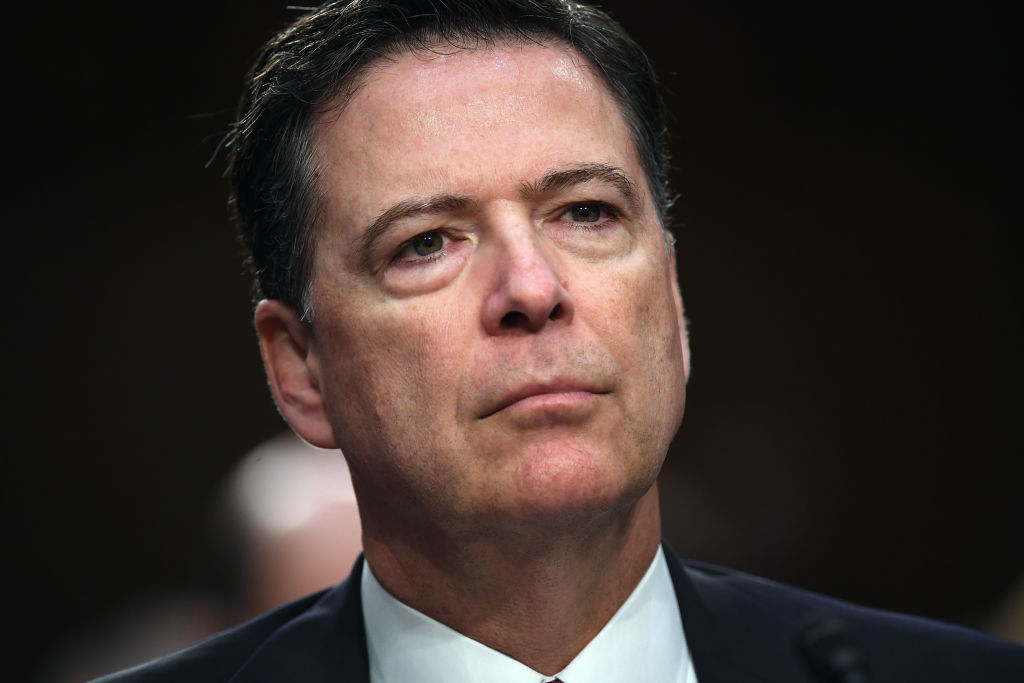
Last week, a judge dismissed charges against James and former FBI Director James Comey on the grounds that Lindsey Halligan, the top federal prosecutor in the Eastern District of Virginia, was improperly appointed to her role. The judge gave the government the opportunity to re-charge them.
It's extraordinarily rare for grand juries to decline to indict people.
Federal prosecutors investigated more than 150,000 people in the 2016 fiscal year, and in only six cases reported not bringing charges because the grand jury voted down an indictment, according to Justice Department figures.
James thanked the grand jury in a statement Thursday, writing: "As I have said from the start, the charges against me are baseless. It is time for this unchecked weaponization of our justice system to stop."
Her attorney, Abbe Lowell, said the case "should never have existed in the first place," and warned that if the government continues to try to prosecute James, "it will be a shocking assault on the rule of law and a devastating blow to the integrity of our justice system."
The New York attorney general was initially charged in October with bank fraud and making a false statement to a financial institution. The Justice Department accused James of falsely claiming on mortgage documents that a house she bought in 2020 in Norfolk, Virginia, would serve as her second home, when she actually rented it out and used it as an investment property. The government claims she was able to get a more favorable interest rate by calling it a second home.
James has denied wrongdoing and argued the Trump administration is targeting her for political reasons. In between President Trump's terms in the White House, James sued him in civil court for allegedly lying about the value of his real estate assets.
In 2023, a judge ruled Mr. Trump, his family and his company "repeatedly" violated fraud law and imposed a nine-figure judgment against them in the case brought by James. An appeals court threw out the financial penalties earlier this year, calling them "excessive." The appellate judges were divided on the merits of the case and did not strike down some non-financial penalties, including restrictions on the Trump Organization.
James's attorneys have argued the case against her should be tossed out due to vindictive prosecution and "outrageous government conduct." They've argued the charges stemmed from Mr. Trump's enmity toward James — pointing to a Truth Social post in which the president urged Attorney General Pam Bondi to look into her — and were the product of "unethical behavior" by several officials at the Justice Department and the Fair Housing Finance Authority.
Halligan's office sought charges against Comey and James following upheaval in the U.S. Attorney's Office for the Eastern District of Virginia.
Her predecessor as the office's top prosecutor, Erik Siebert, resigned in late September amid fears among staff that he would be forced out for refusing to charge James, CBS News has previously reported. Days later, Halligan — a former White House staffer and personal attorney to Mr. Trump — was sworn in as interim U.S. attorney. Comey was indicted less than a week after that, and James was indicted a few weeks later.
Both Comey and James argued that Halligan was not legally appointed to her role, and asked for their charges to be tossed out. U.S. District Judge Cameron Currie dismissed their indictments without prejudice, meaning the government could attempt to indict them again.
It's unclear whether the Justice Department will also try to re-indict Comey for allegedly lying to Congress in 2020, since the statute of limitations for those charges expired in late September. A federal law gives the government a six-month extension when indictments are dismissed after the statute of limitations for a case expires, but Currie wrote in her order that the law may not apply in Comey's case because the indictment may not have been valid to begin with.