Joseph Kurtz elected as new leader of U.S. Roman Catholic bishops
BALTIMORE U.S. Roman Catholic bishops on Tuesday elected Archbishop Joseph Kurtz of Kentucky to be their new president as they grapple with changing priorities under Pope Francis.
Kurtz, who leads the Archdiocese of Louisville, won just over half the votes in a field of 10 candidates during a meeting of the U.S. Conference of Catholic Bishops. He succeeds New York Cardinal Timothy Dolan, who is ending his three-year term. The new vice president is Cardinal Daniel DiNardo of the Archdiocese of Galveston-Houston, Texas.
The conference president is the main spokesman on national issues for the Catholic Church in the United States and acts as a representative of the American church to the Vatican and the pope.
Kurtz, 67, takes on the role at a time when the bishops are struggling with what direction they should take in the new pontificate.
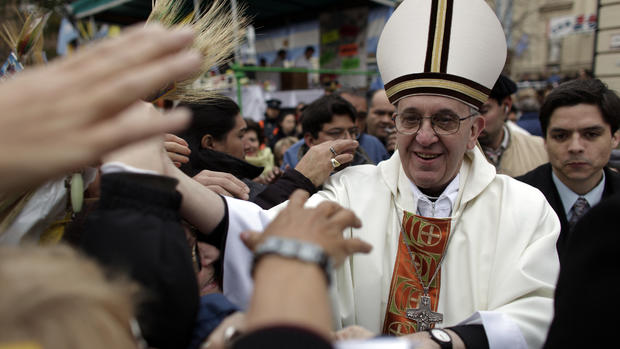
For the last three years, Kurtz has served as vice president of the bishops' conference. It is customary for the vice president to move onto the top job.
A Pennsylvania native, the archbishop earned a master's degree in divinity and another in social work, worked for more than two decades in the Diocese of Allentown, Pennsylvania, before becoming bishop of Knoxville, Tennessee. Pope Benedict XVI appointed him to lead Louisville in 2007. The Louisville archdiocese serves 200,000 Catholics.
DiNardo was elevated to cardinal by Benedict in 2006. The Archdiocese of Galveston-Houston serves 1.3 million Catholics.
Appearing on "CBS This Morning" in September, Dolan said "shock waves is a good word" to describe the pope's new approach.
"At times, the church gets listless ... and we need a good shock," Dolan said, "He wants to shake us up. He's daring, he's fresh, he's innovative .... and every day, I think, 'Thank God he was elected.' This man is batting 1.000."
While Dolan insisted that issues like abortion and homosexuality are still important to the church, he said the tone guiding the conversation within the Catholic community has contributed to the perception of the church as an institution at odds with the modern world.
"If we keep [a] kind of a negative, finger-wagging tone, it's counterproductive," Dolan said.