Don't borrow home equity this June before considering these things, experts say

In today's high interest rate environment, affordable borrowing options are few and far between. Perhaps it's no surprise, then, that many homeowners are exploring ways to cash in on their home equity to consolidate debt, cover major expenses or for just about anything else.
But tapping your home's equity without a clear strategy can backfire. After all, home equity loans and home equity lines of credit (HELOCs) carry substantial risks since they're secured by your home. That's why it's important to look at the big picture, including the five considerations below, before moving forward with a home equity loan or HELOC this June.
Start by seeing what home equity loan interest rate you could qualify for here.
What to consider before borrowing home equity this June
Here are five things homeowners should consider before borrowing from their home equity this June, according to some experts:
Make sure you can comfortably afford it
If borrowing would stretch your budget too thin, you might think twice before moving forward. Home equity lending products are tied to your home. If you fall behind on payments, your lender could foreclose. Whether you're using the funds for a renovation, debt consolidation or something else, it's not worth risking the roof over your head.
"The big question is: can you really afford to borrow against your home?" asks Dustin Suttle, CFP and co-founder of Suttle Crossland Wealth Advisors. "Using home equity means putting your house on the line. If something goes sideways, like a job loss or unexpected expense, you're risking more than just money."
Suttle suggests confirming you're borrowing for the right reasons and that you've thought through the long-term impact before moving forward.
See how affordable a home equity loan could be for you now.
Have a purpose for the funds
Home equity loans and lines of credit are popular borrowing options because they have more affordable interest rates than many alternatives and can be used more flexibly, generally. But before tapping your home equity, understand why you're doing it and make sure the funds improve your financial health, not make it worse.
"The most important consideration for homeowners to consider before tapping into their equity is the purpose of it," says Jeremy Schachter, branch manager at Fairway Independent Mortgage Corporation. "Will the equity being tapped improve the home's value? Will you get out of debt? Are you planning to sell this home in the next two to five years or keep it longer?"
Suttle adds, "Home equity works best when you're using it to improve your financial position. Think home upgrades that boost value, funding education or paying off high-interest debt. Using it for things like vacations or luxury items doesn't build equity, it erodes it."
Choose the right home equity option
Home equity loans and HELOCs are two of the more common ways to borrow home equity. They sound similar, but they work very differently, even though rates on both are relatively low right now. Which one should you use?
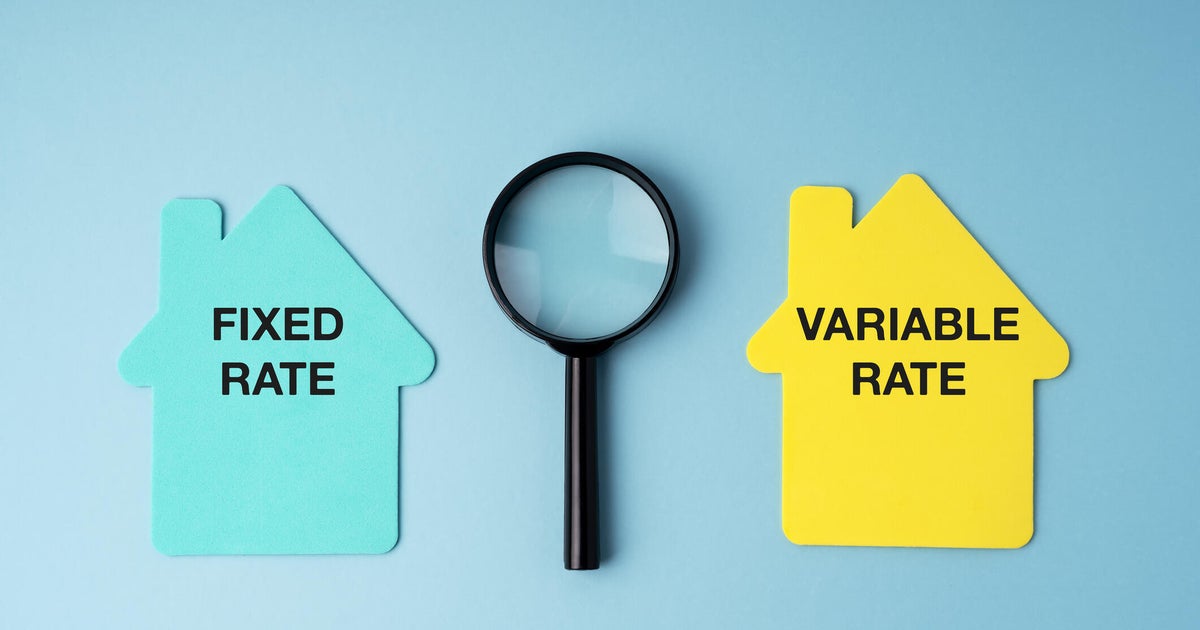
"It depends on your personal situation," says Cami Anderson, mortgage lending manager at Wasatch Peaks Credit Union in Ogden, Utah. "A HELOC has a variable rate and is great for projects like home improvements since you can draw from it as needed. A home equity loan, on the other hand, gives you all the money upfront and comes with a fixed monthly payment."
Before choosing a HELOC, Schachter suggests digging into the details. "Many of these loans have teaser rates that only last a short time. What will your payment be when that ends? What's the maximum rate it could jump to?"
Focus on limiting your risk
One of the biggest dilemmas home equity borrowers face is getting the money they need without overleveraging their home to the point of risking it. That starts with borrowing less than what the bank says you can. "Just because you qualify for a large amount doesn't mean you should take it," says Suttle. "Be realistic about your cash flow, keep a strong emergency fund and have a backup plan."
Most lenders cap home equity borrowing at 80% to 85% of your home's value. "This gives at least some wiggle room if the market changes with home values," Schachter notes. Still, you may want an even larger buffer by borrowing no more than, say, 70% loan-to-value, especially if you're not using the funds to improve your home.
Make sure your job and income are stable
Before taking on a home equity loan or HELOC, your income needs to be consistent, not just today but for the full repayment term. If your income is seasonal, unpredictable or your job may not be secure long term, even one rough patch could put your home at risk.
"Taking on new debt when income is uncertain can quickly become a problem if things don't go as planned," says Suttle. "If you're self-employed or rely on commissions, the risk is higher."
Lenders will look at your debt-to-income (DTI) ratio, but they won't know the full picture. Ultimately, only you know whether your income can support a new loan payment for the long term.
The bottom line
Before tapping into your home equity this June, make sure you can comfortably afford the monthly payments now and in the future. Ideally, you'll use the funds to improve your financial position while limiting your financial risk. Home equity loans and HELOCs are significantly more affordable than than credit cards and personal loans right now, but they're not without risk. Shop and compare rates, read the fine print and carefully compare both options before applying.