"Grim Sleeper" Arrest: Why Did Cops Suspect Lonnie Franklin, Jr.?
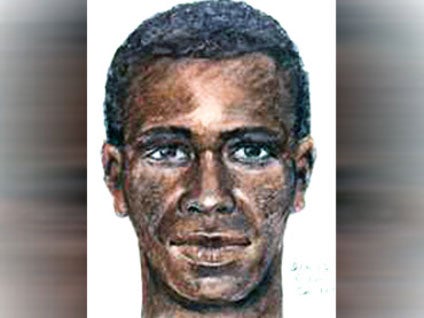
LOS ANGELES, Calf. (CBS/KCAL/AP) Los Angeles police detectives used DNA evidence to help capture the man they believe is the elusive killer known as the "Grim Sleeper," but the route to finding the minute double helix that linked Lonnie Franklin, Jr. to the crimes reportedly came from the most unlikely of sources - a slice of pizza.
Franklin, 57, was arrested Wednesday morning at his South Los Angeles home after police say DNA linked him to the series of murders committed between 1985 and 2007. He was charged with 10 counts of murder, one count of attempted murder and special circumstance allegations of numerous murders that could qualify him for the death penalty if convicted, said CBS affiliate KCAL.
Police pursued Franklin after his son was arrested and swabbed for DNA. Using a controversial method known as a familial DNA search, the sample was identified as similar to evidence found in the series of killings, giving investigators the lead they so desperately needed.
Police reportedly gathered a sample from the alleged killer off a slice of discarded pizza, according to The Los Angeles Times. Detectives also swabbed a cup used by Lonnie Franklin Jr. at a restaurant and confirmed his DNA matched that in the serial killings, police said.
Dozens of cops barricaded a block around the 81st Street house where the arrest was made. Neighbors depicted the man who resides there as "friendly" and "quiet." He was known to start conversations with pedestrians and was often seen working on cars in his front yard.
The "Grim Sleeper" case has been an open case for police even with the killer's DNA, a description from a sole survivor and a reward of $500,000. All the victim's bodies were found outdoors often in alleys either shot, strangled or both. The killer usually committed some form of sexual assault before slaying his victim. Ten victims were women, many of them were prostitutes.
District Attorney Steve Cooley said he thinks the "Grim Sleeper" case marks the first time a familial DNA search was used successfully for the first time in California, reported KCAL.
The killer was called the "Grim Sleeper" because he took a 14-year break in his crimes.