Fast-Forward: YouTube Poised to Beat MySpace at Music
 Professionals have LinkedIn, teenagers have 4chan, and musicians have MySpace (NWS). Or at least, they used to. Just five years after Rupert Murdoch bought the social network for half a billion dollars, MySpace could be on the verge of being dethroned as the world's hub for music. Its conqueror? YouTube (GOOG).
MySpace is already hemorrhaging traffic. According to a January comScore report, MySpace has lost 23.5% of its traffic year-over-year, while Facebook and Twitter have gained 96% and 836% respectively. The site has also lost several key executives in the last few months, most recently the GM of its increasingly-crucial mobile division, John Faith.
MySpace used to be terrific for music because it allows bands to embed songs in their pages, letting fans listen, check out tour dates, and post short paeans right there on the page. But MySpace has missed the boat in several respects, most of all monetization and video. While users can listen on MySpace, there's no convenient mechanism for buying those singles, so when users want to actually spend money on that music, they're forced to head to iTunes or Amazon (AMZN). Even on the most high-profile musician pages -- here's Justin Timberlake's -- links to videos jump to the artist's personal URL, not to a MySpace-hosted video. No wonder MySpace is leaking traffic like a sieve.
But purchasing isn't the only breakdown in the MySpace system. The site's music section doesn't work well as a recommendation engine, so when a user finds a band they like, they're not immediately presented with other similar artists as they would be on iTunes, Amazon or YouTube. Finding good new music is hard work, and if anything, MySpace's layout vitiates the process.
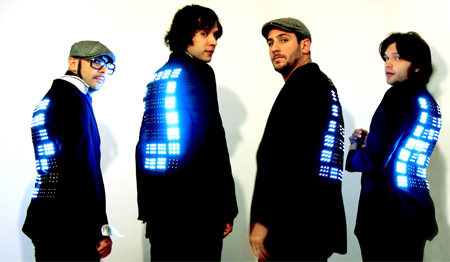
YouTube, by contrast, has become increasingly music-focused in recent months; its viral videos have even launched bands like Ok Go (pictured at top) to stardom. And while users have always been able to embed (and therefore share) music videos on YouTube, they're now presented with the option to make playlists and even to download songs (albeit illegally) with fantastic third-party tools like Dirpy. Most signed artists upload official music videos to the site, so there's an added bonus of high-def visual entertainment with many of the most popular songs. MySpace can't come anywhere close.
YouTube, like Apple and Netflix, is hard at work screening its petabytes of content to present the best stuff to its users so they don't have to spend time searching. It's using celebrity curators to pick their favorite videos, well-known artists to create playlists, and getting pop stars to speak out for non-profit causes. The site has also earned an air of officialism by gaining access to political principals like Speaker of the House Nancy Pelosi and Ohio representative John Boehner. The point isn't that Nancy Pelosi will make you a mixtape -- it's that despite YouTube's glut of media, users don't feel bogged down because they have familiar taste-makers to vet and create videos.
If MySpace is going to compete, it needs to give small and big artists alike a way to sell songs, and it needs to begin serving its own video. There's still time for innovation; YouTube hasn't yet cashed in on its growing cachet. While I've argued that Google will eventually make big bucks from YouTube, the site has been getting a tepid response from record companies, which YouTube hopes will want to cut official copyright deals in the future. As MySpace falls by the wayside, those record companies might finally go with Google.