Cholesterol Picture Gets Cloudy: How to Stay Heart Healthy?
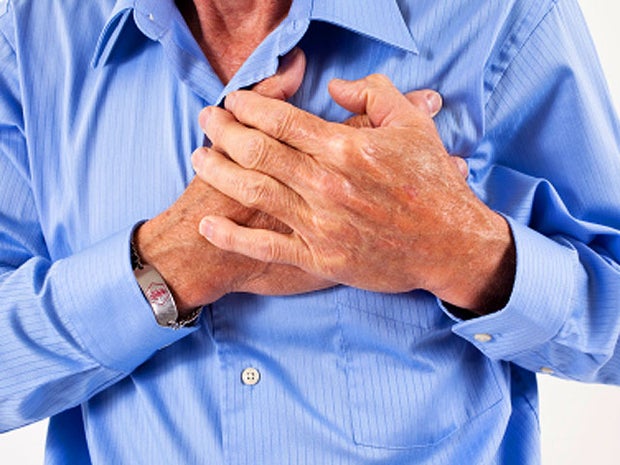
(CBS) Remember a time when good was good and bad was bad? Things may no longer be so simple when it comes to cholesterol.
Cardiologists focus their attention on two kinds of cholesterol: HDL cholesterol, the "good" kind, and LDL cholesterol, the "bad" kind linked to heart attack and stroke. It's long been thought that a high level of HDL lowers the risk for cardiovascular disease by helping ferry LDL cholesterol out of the body.
But maybe that's not really the case, a new study suggests.
The study - conducted by Dr. Daniel Rader, director of preventive cardiology at the University of Pennsylvania - suggests that the amount of HDL in the body may be less important than how effective the HDL is at ridding the body of excess LDL cholesterol. In other words, a high HDL level doesn't necessarily mean a lower risk of cardiovascular disease.
"I see plenty of people who have heart disease but who also have high levels of HDL. So what is going on there? Why aren't they protected? This study may suggest their HDL isn't working properly to carry out its function," Dr. Robert Eckel, former president of the American Heart Association, told Health Day.
Rader and his team took a look at three groups: one group of people without heart trouble and two groups of surgical patients - those who had heart disease and those who didn't. The team gauged the cholesterol-removing effectiveness of each person's HDL. They also measured the patients' HDL levels and the thickness of the walls of the carotid arteries in their necks. (Thick artery walls are known to mean a higher risk for heart disease.)
They found that people whose HDL was most effective at removing bad cholesterol had thinner artery walls. In short, HDL's effectiveness was a better predictor of heart disease than how much HDL was in the body.
Why would some forms of HDL be more effective than others? It's not clear. But the take-home message may be that a high HDL level may not be as much of a good thing as people have been led to believe - and that a low HDL level may not be such a bad thing.
The study was published in the New England Journal of Medicine.