Lawyers for Charlie Kirk's alleged killer again ask to have prosecutors thrown off case
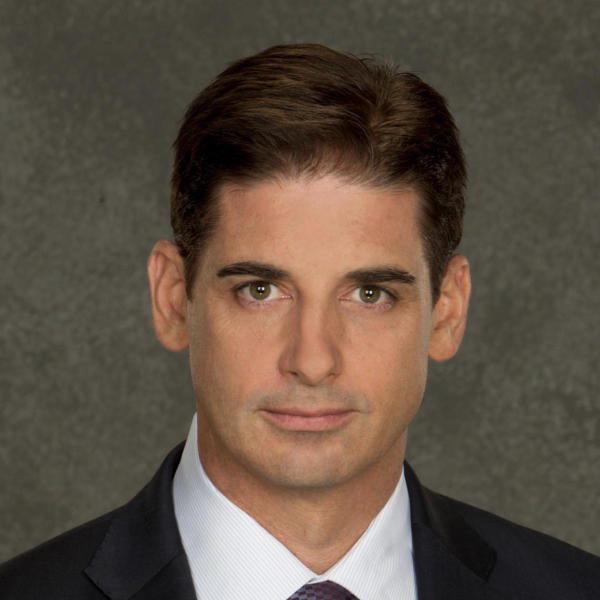
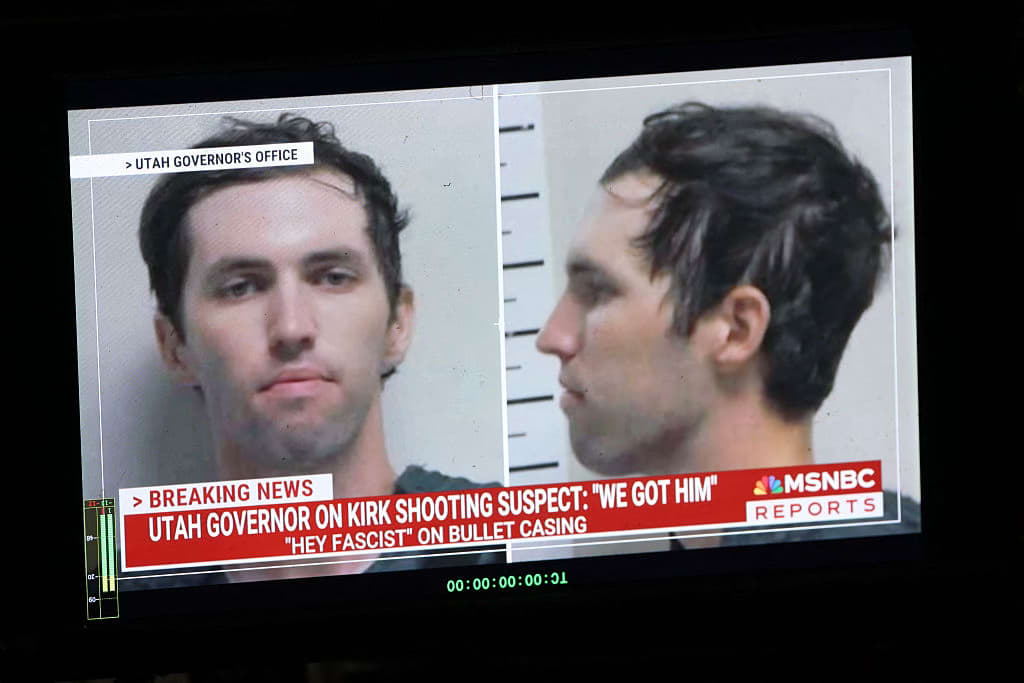
At a pretrial hearing for Tyler Robinson, the accused killer of Charlie Kirk, the defense again argued that prosecutors should be thrown off the case.
Robinson's attorneys want the entire Utah County Attorney's Office disqualified because one of the prosecutors has an 18-year-old daughter who was present at the rally at Utah Valley University in Orem, where Kirk was shot.
Utah County Chief Deputy Prosecutor Chad Grunander testified that he received texts from his daughter right after the killing, saying someone had been shot at the school and that she was OK.
Defense attorneys previously said in court documents that the personal relationship is a conflict of interest that "raises serious concerns about past and future prosecutorial decision-making in this case." They also argued that the "rush" to seek the death penalty against the 22-year-old suspect is evidence of "strong emotional reactions" by the prosecution.
Grunander's daughter also testified during the hearing, but that portion was closed to the public to protect her identity.
According to an affidavit submitted by prosecutors, she did not see the shooting.
"While the second person in line was speaking with Charlie, I was looking around the crowd when I heard a loud sound, like a pop. Someone yelled 'he's been shot,'" Grunander's daughter stated in the affidavit.
She later texted a family group chat to say "CHARLIE GOT SHOT." In the aftermath of the shooting, she did not miss classes or other activities and reported no lasting trauma "aside from being scared at the time," the affidavit said.
Grunander said he decided early to disclose the information about his daughter because it could be portrayed as a potential conflict of interest. "Don't mistake [my disclosure] to be a concession that we believe there is merit to this alleged conflict," Grunander said.
Earlier, Utah County Attorney Jeffrey Gray took the stand, defending his decision to seek the death penalty. Gray testified he was not influenced by Grunander and decided to pursue an aggravated murder charge based on the evidence that had been gathered.
Grunander said he doesn't believe Gray's decision to seek the death penalty was influenced by his daughter's presence at the scene of the shooting.
Wednesday's proceedings continued a hearing that began Jan. 16, and included more than two hours of testimony.
Prosecutors have repeatedly argued there is no conflict of interest and accused the defense of trying to delay an upcoming evidentiary hearing.
Judge Tony Graf denied a defense request to refer the case to the Utah Attorney General's Office and said he will issue a ruling at a hearing scheduled for Feb. 24.
In an earlier motion, Robinson's attorneys asked the judge to ban cameras and microphones from the courtroom, saying media coverage could affect Robinson's right to a fair trial.
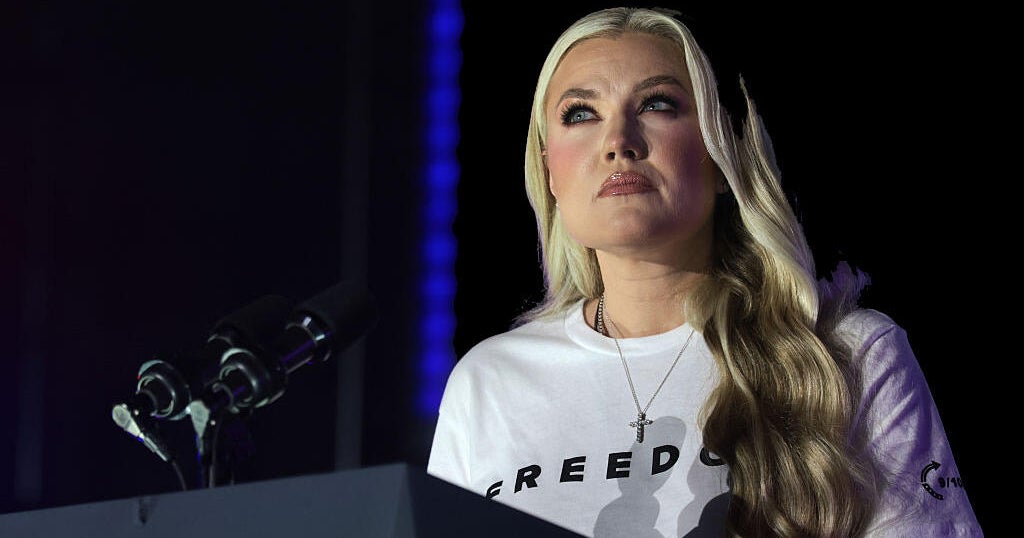
In a new court filing, Kirk's widow, Erika Kirk, asked the judge to keep the hearings public, writing, "There is no adequate substitute for open proceedings."
On Tuesday, the judge did approve the defense's request to move cameras to the back of the courtroom. Robinson's lawyers want to prevent close-up images of the accused killer's face, arguing they could be used to speculate about his reactions in court.
Prosecutors are expected to outline their evidence against Robinson at a preliminary hearing scheduled to begin May 18.