Can silver and gold shine again?
Precious metals have been a graveyard of broken dreams for gold bugs, tin-hat conspiracy theorists and others who have since migrated over to the Bitcoin craziness to satisfy their "anything but the dollar" appetites. Since prices peaked in 2011, first in silver then in gold, a short-lived rebound last summer has been the only relief from a soul-crushing slide.
Silver prices are down some 60 percent from their peak of near $50 an ounce, while gold has lost nearly 40 percent from its peak of $1,923.
There are many catalysts for the plunge. Most important, relatively tame
energy prices have kept a lid on inflationary pressures. Crude oil has spent
much of the last three years floating around the $100 a barrel level. Steady, if not stellar, economic growth has also allowed excess industrial capacity to
remain in the supply chain, weighing on prices as well.
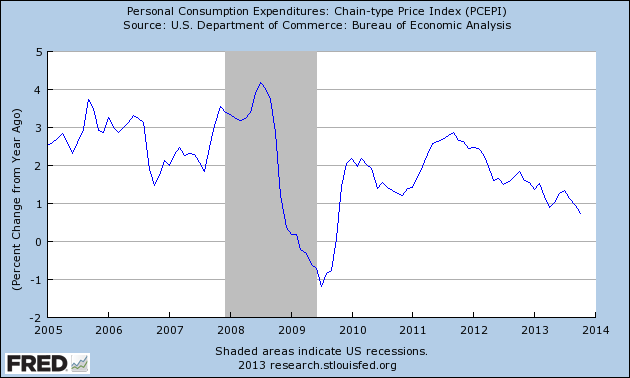
Since one of the key reasons to own gold and silver is to provide a hedge against inflation, this dynamic has undermined support for the metals.
But like any other commodity, gold and silver are also
subject to the laws of supply and demand. And as prices have cratered, they're
now reaching levels where mining companies are starting to reduce production
output.
Right now, the price of gold, at roughly $1,225 an ounce, has dropped below the cash cost (including capital expenditures) of new production, which is about $1,275 an ounce, according to Barclays. That price is also approaching the marginal cost of production of some $1,125 an ounce.
Translation: The longer prices stay depressed down at these levels, the more high-cost mining facilities will be shuttered, and the tighter new gold supply will become.
Moreover, the cost of new gold production has been rising at an average annual rate of 15 percent over the last five years. Unless prices rebound, new projects will be canceled, and the gold and silver supply chain will become constrained for years to come.
That sets the stage for a classic supply squeeze should investor demand be resurrected for any number of reasons: A return of inflationary pressure, new fears over the eurozone debt crisis as Europe's economy slows again, renewed weakness in the U.S. dollar or a bungled exit from the extraordinary monetary policy stimulus we've seen by the world's major central banks over the last few years.
Technically, on a short-term basis at least, silver and gold
are seeing some tentative buying interest for the first time since October. (I've added the ProShares UltraSilver (AGQ) to my Edge Letter Sample Portfolio and have also recommended the position to clients.)
The precious metals mining stocks, on the other hand, continue to get pummeled, as IAMGold (IAG) suspended its dividend until further notice due to negative impact lower gold prices are having on the company's finances.