What is the average monthly payment for Chapter 13?
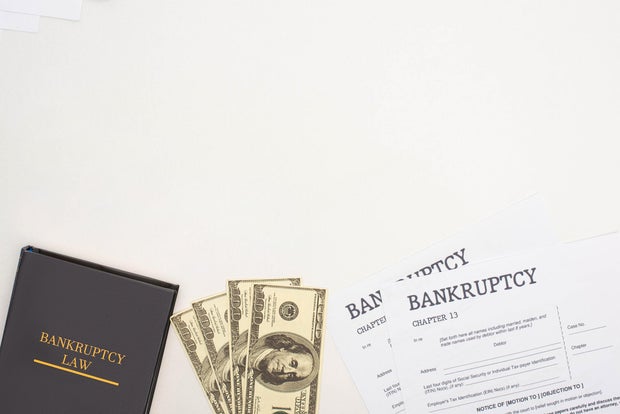
Interest in personal bankruptcy is high as Americans continue to wrestle with a mix of high borrowing rates, persistent inflation and elevated amounts of debt. While there are a few different personal bankruptcy options to consider, Chapter 13 bankruptcy, which allows debtors to restructure their obligations through a court-supervised plan, has become an increasingly popular option for those with steady income but overwhelming financial obligations. With this type of bankruptcy, borrowers can retain their assets and stop serious creditor actions while they get things back on track.
But unlike Chapter 7, Chapter 13 focuses on repaying what's owed rather than wiping out your unsecured debts. This approach can have big benefits for borrowers, especially in terms of the credit impacts, but it also requires filers to pay back their restructured debt via a court-approved payment plan that lasts between three and five years on average. As a result, many would-be filers worry about whether they can actually afford the monthly payments that come with this type of bankruptcy filing.
So, what should you expect to pay each month if you file for Chapter 13? Below, we'll detail what you can expect your monthly obligations to be — and what drives that number up or down.
Find out how to start tackling your high-rate debt now.
What is the average monthly payment for Chapter 13?
Every filer's financial situation is unique, so the short answer is that there's no single "average" payment for Chapter 13 bankruptcy. That said, most cases fall within a broad range. For debtors with moderate income and debt — like those catching up on car payments while managing credit card balances — the monthly payments are generally between $500 and $600. But cases on the lower end, meaning filings where income is limited and debts are smaller, can result in payments as low as $200 to $300 per month.
Filers with higher incomes or those catching up on substantial mortgage arrears, though, may face more substantial monthly obligations. In these cases, the payments could range between $1,500 to $3,000 or more. For example, if you're behind on your mortgage and need to pay both the current monthly payments and the past-due amounts, your payment will be considerably higher than someone who's simply addressing unsecured debts.
Learn more about the debt relief help you could qualify for today.
What impacts your monthly payment for a Chapter 13 bankruptcy?
There are a few elements that affect how high (or low) your Chapter 13 payment will be, including:
- Your income and living expenses: The court looks at your actual monthly income from sources like your wages, business profit or Social Security, and subtracts reasonable living expenses (housing, food, utilities, transportation, etc.) to arrive at your disposable income. That disposable income amount is what helps determine your monthly payment.
- The type and amount of your debt: Secured debts (like car loans or mortgage arrears) must typically be repaid in full through the plan if you want to keep the collateral. Priority debts (such as recent tax bills or child support) must be paid in full, too. Unsecured debts (like credit cards or medical bills) are usually paid as a percentage of what you owe.
- Your non-exempt assets: If you have equity in property that isn't protected by exemptions, that equity may need to be paid into the plan for the benefit of your unsecured creditors.
- Length of the plan: Chapter 13 plans generally last three to five years. A shorter plan means higher monthly payments, while longer plans spread out the payments and result in lower monthly obligations, but require consistency over time.
All of these components are weighed by the bankruptcy trustee and the court when confirming your plan, so even two filers with the same monthly income could have very different payment obligations.
Could debt relief help you avoid bankruptcy altogether?
Before committing to a Chapter 13 plan, it's worth exploring whether the debt relief alternatives available to you could make more sense. Debt settlement, for example, could help you substantially reduce what you owe on unsecured debts like credit cards and medical bills. By settling your debts with lump-sum payments, you could reduce what's owed by 30% to 50% (or more).
Another option is to pursue a debt management plan through a credit counseling agency. This approach can lower your interest rates and fees and consolidate your payments. That makes it easier and more affordable to handle your debts, and it does so without the credit damage that comes with debt settlement.
While neither of these options will provide the automatic stay that halts collection actions the moment you file bankruptcy, they also won't result in a public court filing that remains on your credit report. The catch, though, is that these programs work best for those struggling primarily with unsecured debt. If you're behind on your mortgage or car loan, Chapter 13's legal protections may be your only viable path.
The bottom line
There isn't a single average monthly payment for a Chapter 13 bankruptcy, but you can estimate your potential payment once you understand the key variables involved. That can help you determine whether this type of bankruptcy is feasible for your finances.
Remember, though, that while bankruptcy offers unique protections and benefits, it's also a significant commitment that should be weighed against other debt relief options. As a result, it typically makes sense to discuss your situation with a debt professional who can help you make the best decision for your situation.