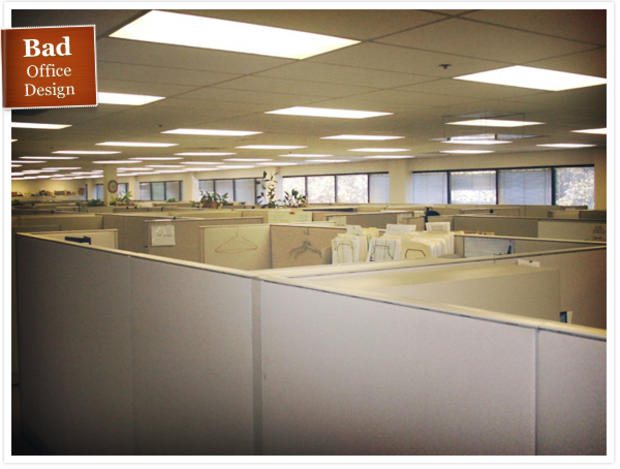
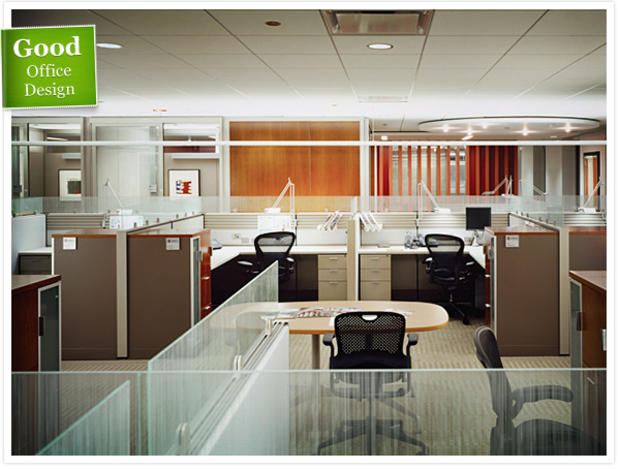
At real-estate firm Jones Lang LaSalle, a redesign lowered cubicle walls to give the office an open feel. This also makes the office quieter: passersby will instinctively lower their voices when they can make eye contact with those working at desks. (Photo by Christopher Barrett/Hedrich Blessing)
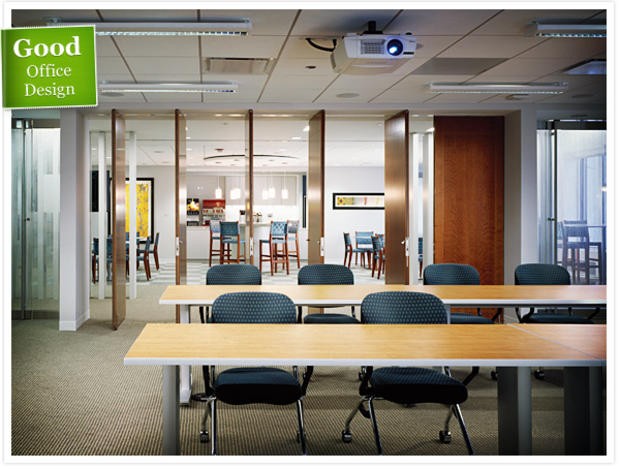
Jones Lang LaSalle's new, improved break room (seen through the doors) opens into a training room. Light from windows and non-fluorescent fixtures give it a living-room feel. The space is also flexible: the doors can be pushed aside to join the two rooms. (Photo by Christopher Barrett/Hedrich Blessing)
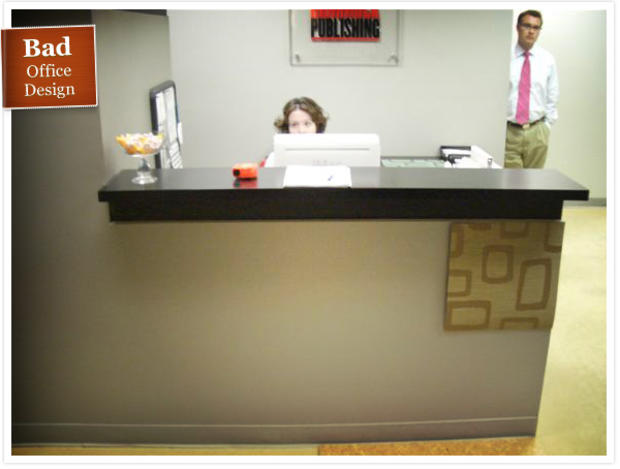
Hammock Publishing's front desk was drab and unimpressive. It said nothing to visitors about the company and what it does. (Photo courtesy Advent Marketing Results)
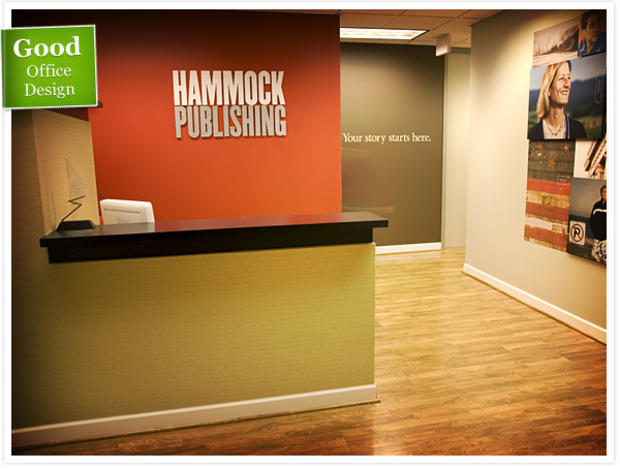
After a two-week "lobby makeover" by Advent, the new entrance broadcasts Hammock Publishing's brand to customers and reminds employees of the company mission. (Photo courtesy Advent Marketing Results)
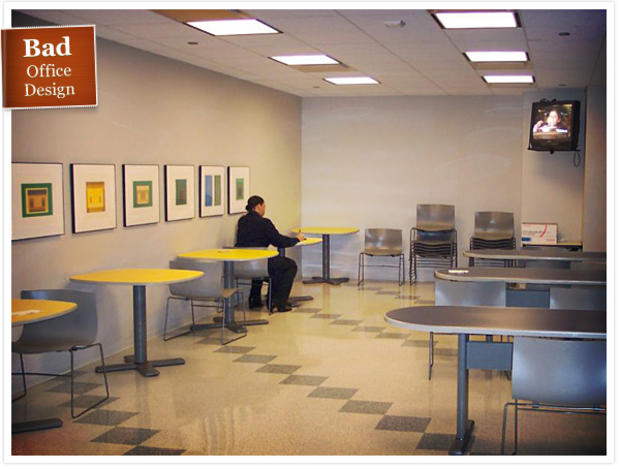
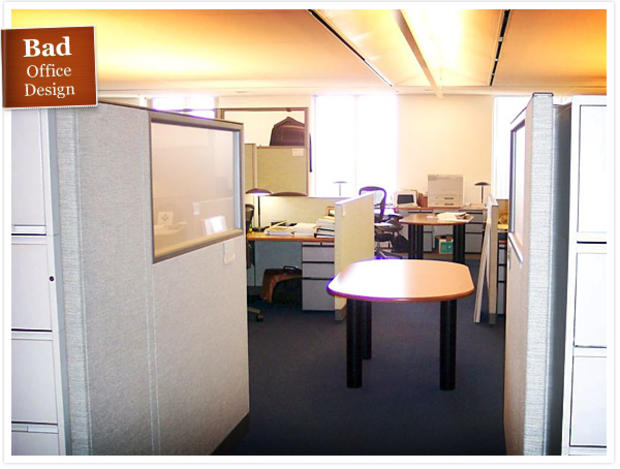
Quick scrums were difficult at the offices of Jones Lang LaSalle: If employees gathered at a table like this one, they would disturb others working at their desks. (Photo courtesy Jones Lang LaSalle)
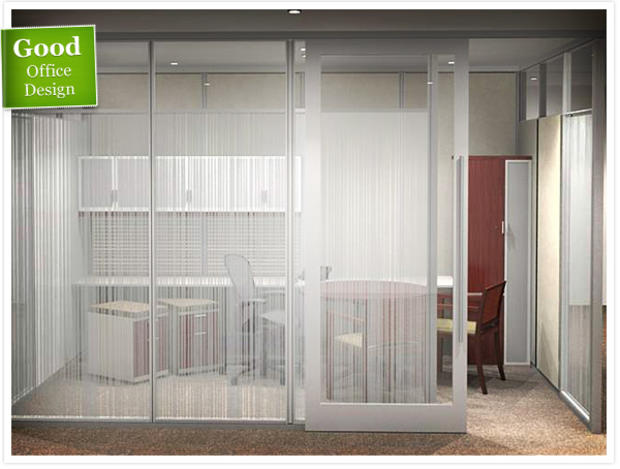
In their redesigned offices, Jones Lang LaSalle team members can gather quickly in an "iso pod" — a small enclosed office that doesn't need to be reserved. (Photo by Christopher Barrett/Hedrich Blessing)
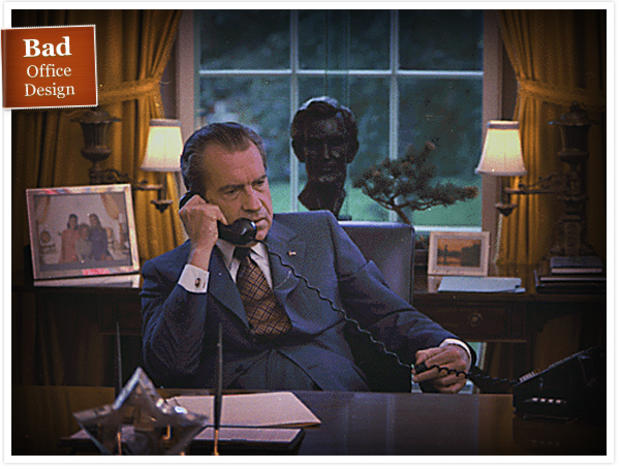
Historically, window offices have been a perk of highly paid executives. The ultimate "corner office" in American culture is, of course, an oval. (Photo courtesy the National Archives and Records Administration)
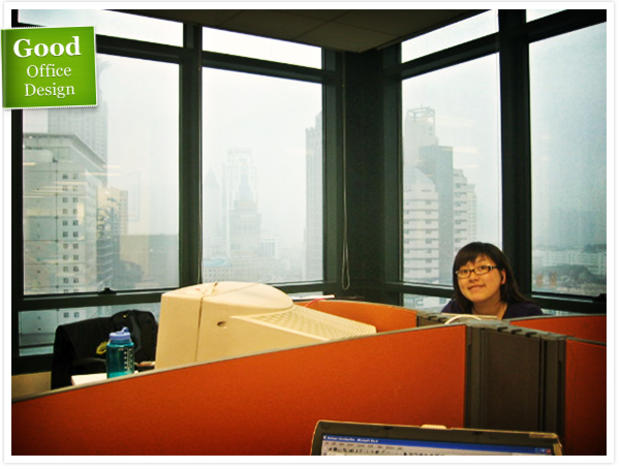
Since today's executives spend a lot of time in meetings and traveling, their corner offices often sit empty. Giving this prime real estate to cubicle dwellers, who sit at their desks all day, boosts morale and increases their productivity. (Photo by Joshua Wickerham)