WGA, SAG-AFTRA push for unemployment benefits for strikers
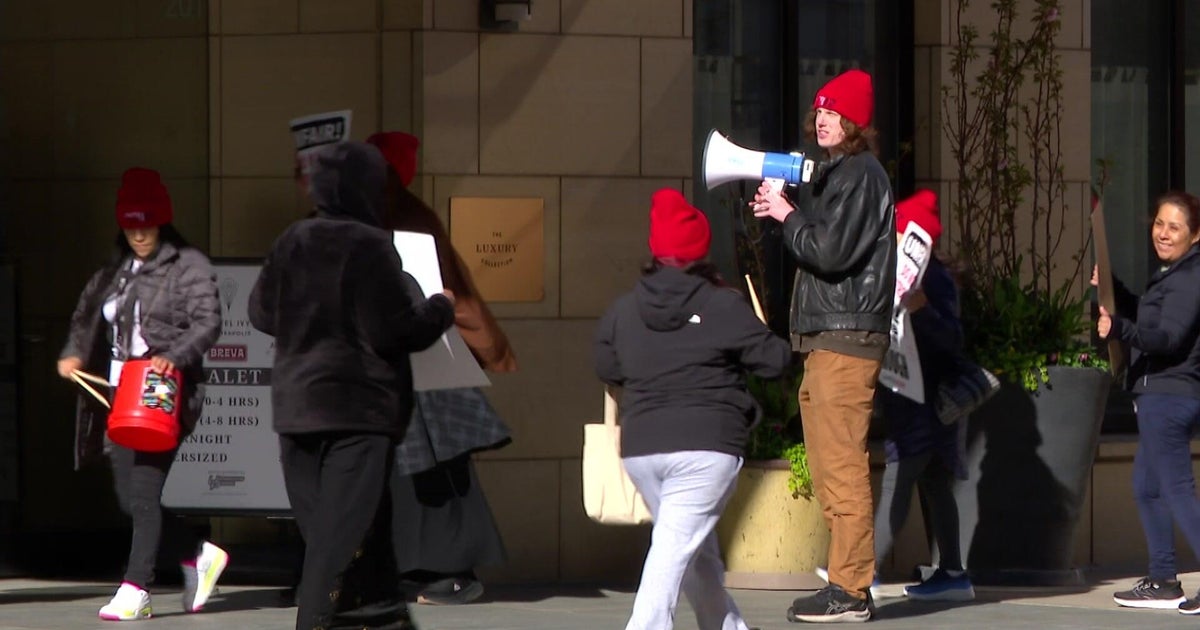
After months of picketing, actors and writers revived a push for strikers to receive unemployment benefits.
For nearly 130 days, members of Meredith Stiehm's union have had to search for ways to pay for groceries, rent and gas after losing their main source of income.
"Writers have had to rely on strike loans, donations, philanthropy, second and third jobs to pay for their basic needs since May 2," said Meredith Stiehm, president of the Writers Guild of America.
While strikers in New York have the option of applying for unemployment insurance, those residing in California don't. The WGA, joined by the Screen Actors Guild and other unions, rallied in Culver City to show their support for Senate Bill 799. If this measure were to become law, workers in California would receive unemployment benefits after two weeks of striking.
A similar bill stalled in the state senate four years ago.
"It is shameful for the state of California that prohibits these workers from accessing unemployment insurance benefits while they are out on strike," said Yvonne Wheeler, president of the Los Angeles County Federation of Labor. "
The bill faced opposition from the California Chamber of Commerce which claims there's a difference between someone losing their job and someone who decides to strike.
"It certainly is unpleasant and difficult, and I hope the labor strikes resolve, but that is not the same as unemployment insurance to us," said Robert Moutrie, policy advocate for the California Chamber of Commerce. "Unemployment insurance is when you get fired. You have no idea when you're going to work again — if you're going to work again."
WGA members like Kayla Westergard-Dobson disagreed. She claimed that the union was forced to strike because of the Alliance of Motion Picture and Television Producers, which represents major studios, refused to negotiate a fair contract.
"None of us are eligible for this benefit despite being unable to work," said Westergard-Dobson. "And that's a decision we were forced into. The AMPTP refused to negotiate a fair contract and without that, we can't work."
SB 799 must be approved by both the Senate and Assembly before next Thursday, the end of the 2023 legislative session.