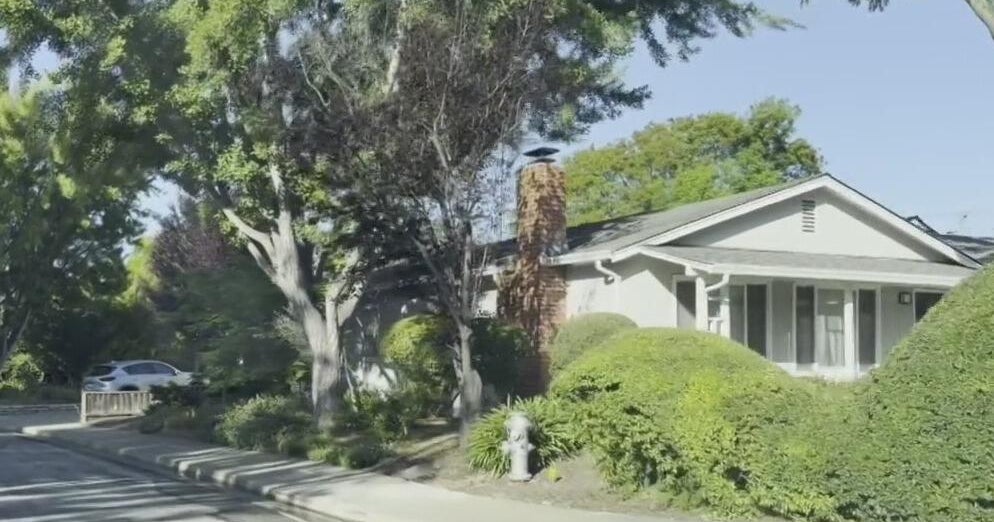
U.S. Army veteran who self-deported to South Korea speaks out

After self-deporting to South Korea in June, U.S. Army veteran Sae Joon Park has spent the last six months isolated away from his family, in a country he hasn't lived in since he was a child.
"It's scary," he said. "There's a good chance I'll never make it back home."
Park, a Purple Heart recipient after being shot in combat, struggled with post-traumatic stress disorder after returning home. While he had a green card, his legal status was jeopardized after he was charged with drug possession and failure to appear in court 15 years ago.
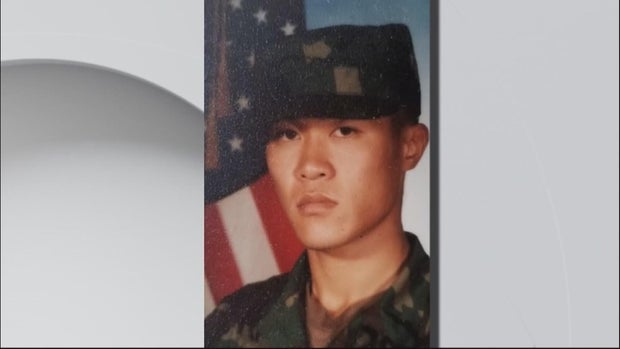
Given Park's military service, immigration officials allowed him to remain in the U.S. They told him that his deportation order would not be enforced if he had regular check-ins with immigration agents, according to his attorney, Danicole Ramos.
After this story was published on Wednesday night, Homeland Security Assistant Secretary Tricia McLaughlin responded to CBS LA, saying Park has an "extensive criminal history" that includes "convictions for possessing, manufacturing, or selling a dangerous weapon, carrying a loaded firearm in a public place, assault, and criminal possession of a controlled substance."
"In 2010 an immigration judge issued him an order of removal," McLaughlin wrote. "Park's appeal to the Board of Immigration Appeals that same month was dismissed by the Board in April 2011. With no legal basis to remain in the U.S. and a final order of removal, Park was allowed to self-deport to Korea."
Park's attorney said the gun charge was from the late 1980s after Park fired a gun during a celebration after he joined the U.S. Army. Court records showed that Park was charged with misdemeanor assault in 1999.
For more than a decade, Park raised his children in Southern California without issues, until President Trump began his second term this year.
"President Trump and Secretary Noem have been clear: criminal illegal aliens are not welcome in the U.S. If you come to our country and break our laws, we will find you, arrest you, and deport you. That's a promise," McLaughlin wrote.
During a routine check-in with Immigration and Customs Enforcement over the summer, Park said agents told him he would be deported.
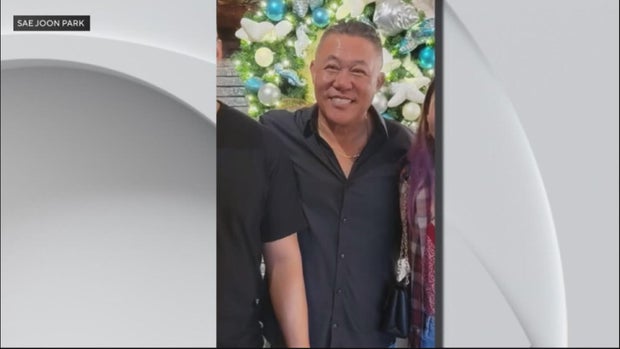
"He had his cuffs out. He was ready to detain me, put cuffs on me and everything, which as unbelievable," Park said. "Why would I go back to jail? I didn't do anything wrong. It took him a while, but he got the OK from the supervisor to put an ankle bracelet on me, and I had three weeks to remove myself."
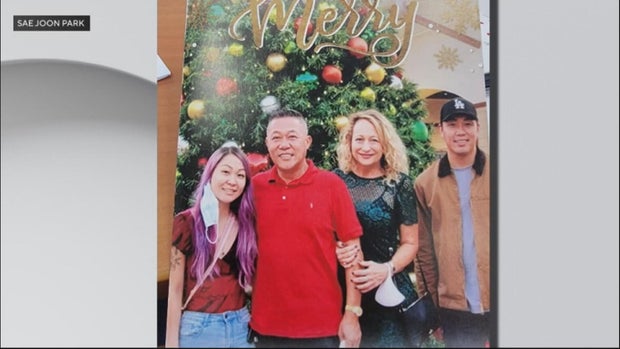
Park was forced to leave his family behind and move to South Korea.
"I had to leave everything behind; my kids, my mom, who has Alzheimer's right now, she can't remember anything," Park said. "It's been really tough."
Last week, Rep. Seth Magaziner (D-Rhode Island) confronted Homeland Security Secretary Kristi Noem about veterans and military families facing deportation or prolonged detention. After Noem said no veterans have been deported, Park joined the congressional meeting via Zoom.
"I was really surprised. I didn't know what to expect," Park said. "The way he presented the question and the way she answered. I thought it was great. It really put her on the spot."
Park said the spotlight on his case gave him some hope. However, he and his attorney have not heard back from the Department of Homeland Security, even though Noem said she would review his case.