Pasadena fire chief continues search for answers after high toxin exposure battling Eaton Fire

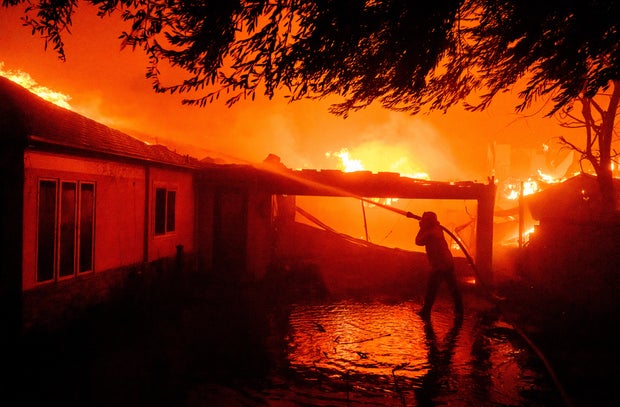
In the year since the Eaton Fire, CBS LA has followed along with Pasadena Fire Department Captain Dave Marquez's search for answers about the high level of toxins in his body since the intensive firefight.
Now, almost exactly 12 months later, Marquez is one of five Pasadena firefighters who are taking part in a pilot detoxification program for crews who battled both the Eaton and Palisades fires.
"For many of us, it was the worst exposures of our careers," Marquez said.
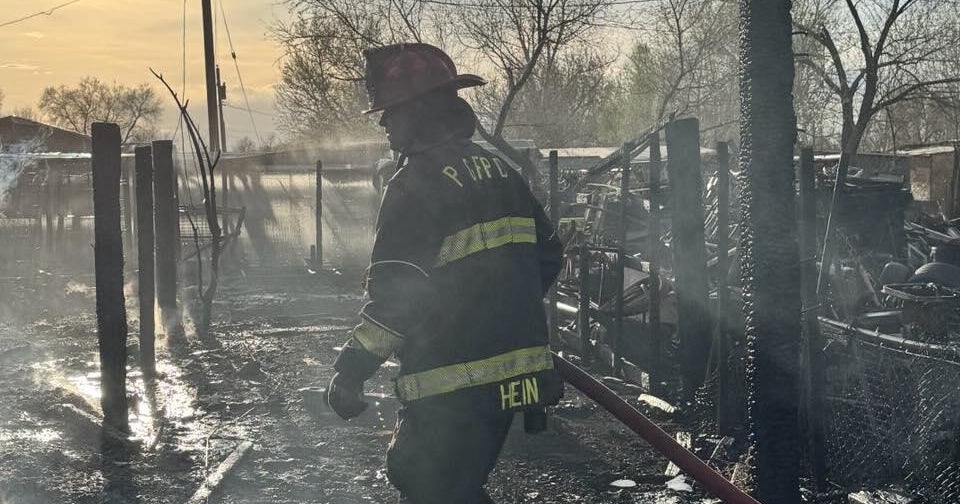
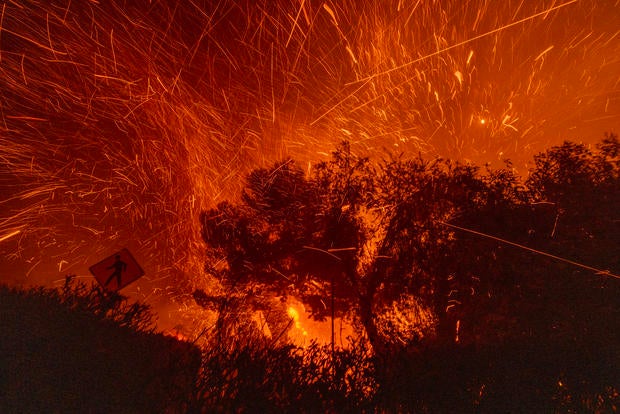
When first speaking with Marquez at Station 38 in January, he said that his crews were on the front lines of the Eaton Fire for 36 hours. Afterwards, they slept in oxygen masks and vomited for days.
"Everybody shared similar symptoms," he said. "Your eyes were burning and your throat, headache, fatigue."
Marquez says that Dr. Cory Reddish was one of the first healthcare professionals to treat him and his crew back then, when they were set up inside of the Rose Bowl.
Dr. Reddish is with the nonprofit organization Integrative Healers Action Network, or IHAN. She was one of many who rushed to help treat the sick firefighters at the time.
For the last 12 weeks, she and other IHAN doctors have been using similar therapies as part of an organized study. At the heart of their research is glutathione treatment.
"It's a substance that's made by our body," Reddish said. "It's a natural detoxifier. It helps the liver process toxins, it's also found in high concentrations in the lungs."
Thanks to nonprofit donations, the firefighter have also received supplements and undergone sauna treatments, while the doctors monitor their blood for changing levels of heavy metals and other toxins.
"A lot of them started with over 10 different categories or types of toxins that were extremely high," she said. "We're seeing those come down to maybe one or two."
While Captain Marques and his family still wait for his final test results and the overall findings of the studies, he says that he feels "incredible."
"The brain fog is gone. No more breathing issues, no more coughing issues. I sleep great at night," he said.
Marquez helped convert Pasadena's fire fleet to renewable diesel fuel so that his crews wouldn't keep breathing in the emissions from idling trucks. He says that historically, firefighters face an increased risk for cancers and other diseases, which prompted his push for change.
"We're going to be exposed to an unknown amount of chemicals throughout our careers," he said. "However, now learning that there is a way to get these things out of our bodies, we wanna start asking how can we do this long-term?"
He hopes that the pilot program will help spark a new conversation about protecting the next generation of firefighters.
"Can we talk about having firefighters being able to nebulize immediately after a fire? How can we acquire saunas for fire stations? How can they immediately start to get out what's already been absorbed through their skin?," Marquez said while listing the series of steps that can potentially be taken to reduce firefighter risk in the future. "You have done this successfully with a small group of Los Angeles-area firefighters, how can we expand that to the state and eventually the country?"