Hiroshima survivor shares his story 81 years after the atomic bomb was dropped

A local man who was 7 years old when American troops dropped the first of two nuclear bombs in Japan during World War II is sharing his dramatic story as part of his mission to promote a more peaceful world.
Howard Kakita has traveled to 70 countries in his 88 years, but his first international trip came back in 1940, when he was sent to Japan at just 2 years old. The move came in 1940, when his father opted to move his family from their East Los Angeles home to his parents' house in Hiroshima to care for his own father.
When Kakita's father was called back to LA for business, he couldn't afford to transport the whole family again, leaving Howard and his older brother behind and promising to send back for them as soon as he could.
"December 7, 1941, [Pearl Harbor attacks] came, and they were struck in the United States, and we were stuck in Japan," Kakita said.
While the boys were raised in Hiroshima, their parents and new baby brother were sent to an internment camp in Poston, Arizona, as the fighting continued. Months turned into years, and on August 6, 1945, Kakita and his brother heard of an enemy aircraft sighting.
The curious boys climbed onto the roof of their home for a better look, but climbed back down when scolded by their grandmother.
"I decided to go inside the bathhouse, and that was 8:15 in the morning when a bomb went off," Kakita said.
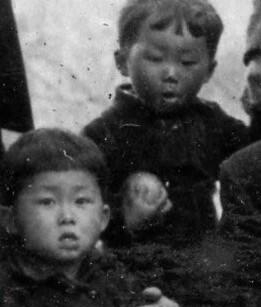
The atomic bomb dropped by US troops instantly vaporized 70,000 people. Despite being only eight-tenths of a mile from the bomb's epicenter, Kakita was crushed but protected by the bathhouse.
His brother and grandparents were injured, but only superficially. Other survivors weren't so lucky.
"Bones would be protruding from their arms," Kakita recalled. "Some of the burns are so severe that literally the skin was just hanging."
Three days later, the U.S. dropped a second nuclear bomb in Nagasaki. After Japan's surrender, the Kakitas suffered from dysentery and hair loss due to radiation poisoning. It wasn't until the following year that his parents even knew they'd survived.
Kakita didn't return to the U.S. for another three years. He later graduated from Marshall High and then UCLA before eventually becoming an engineer and a world traveler.
He says that with each year, there are fewer survivors left of the atomic bombings, and that's why he wants to continue sharing his story and fighting for world peace.
As part of his mission, Kakita wants people to ask themselves two questions: 1. Were there alternatives to dropping the bombs that killed a quarter million people in 1945? 2. Knowing that, why are there still 12,000 nuclear warheads in the world today?
"Every one of those bombs are many, many times more powerful than the one that we saw drop in Hiroshima and Nagasaki," Kakita said. "I think we need to create an environment. So the next generation of young people could grow up and have the proper perspective on things to make better judgments than we have done in the past."


