Vacant properties causing headaches for Colorado community, property owners

One Colorado city is working to combat the many problems caused by vacant properties in its community, but a year after a new ordinance was passed, officials and property owners say there are still challenges to overcome.
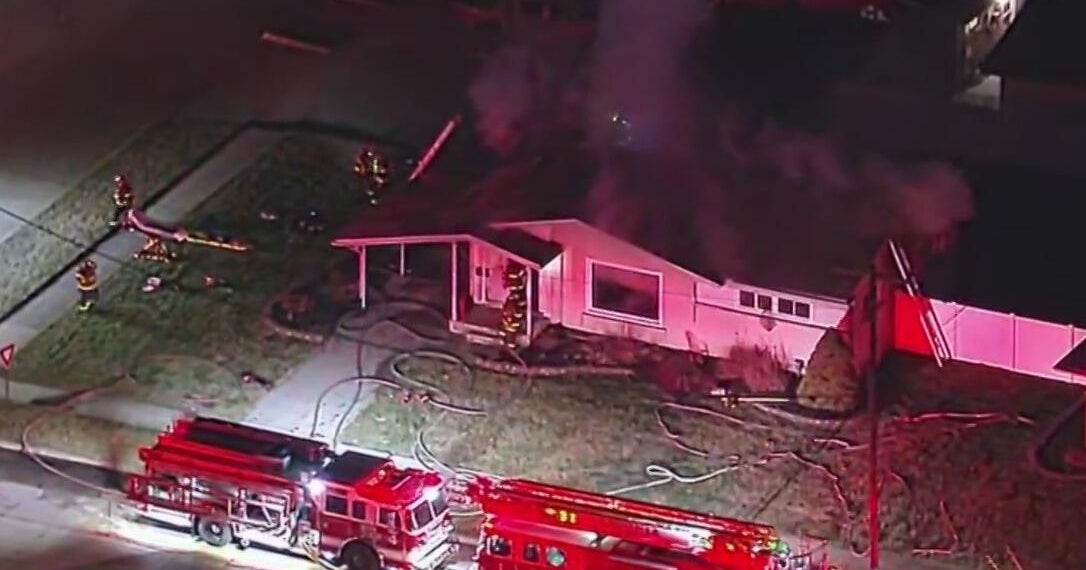
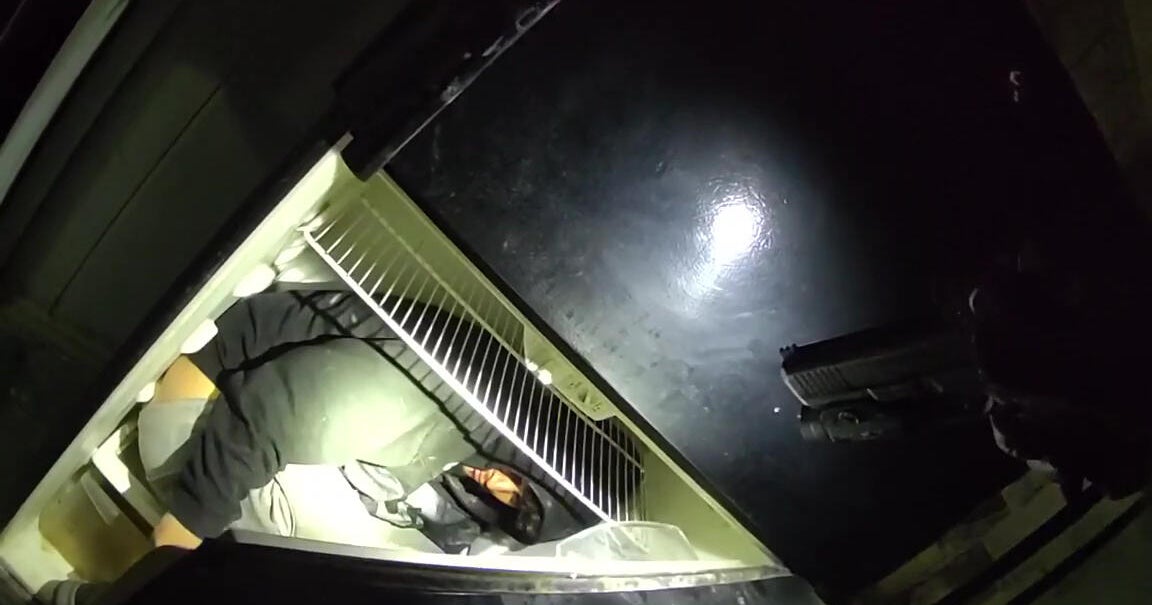
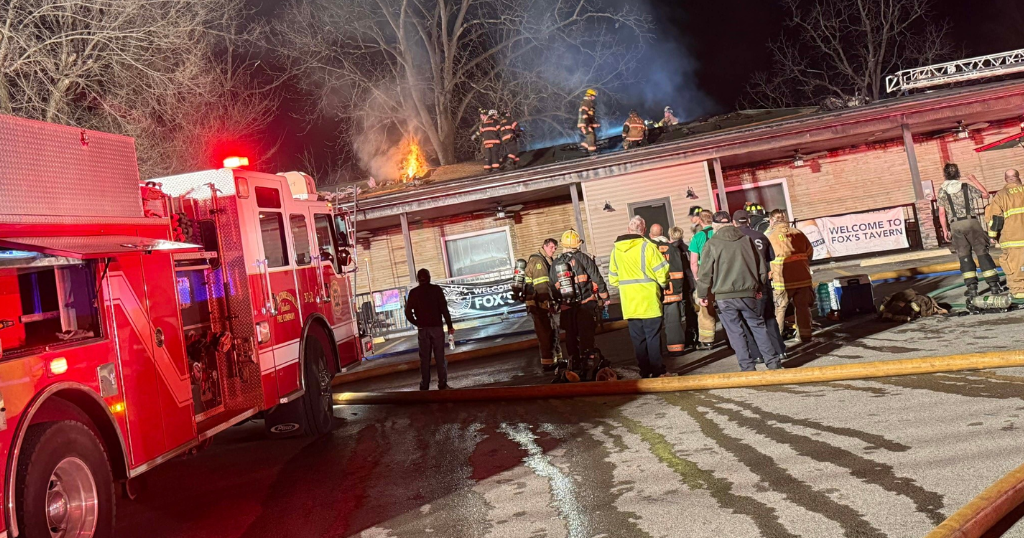
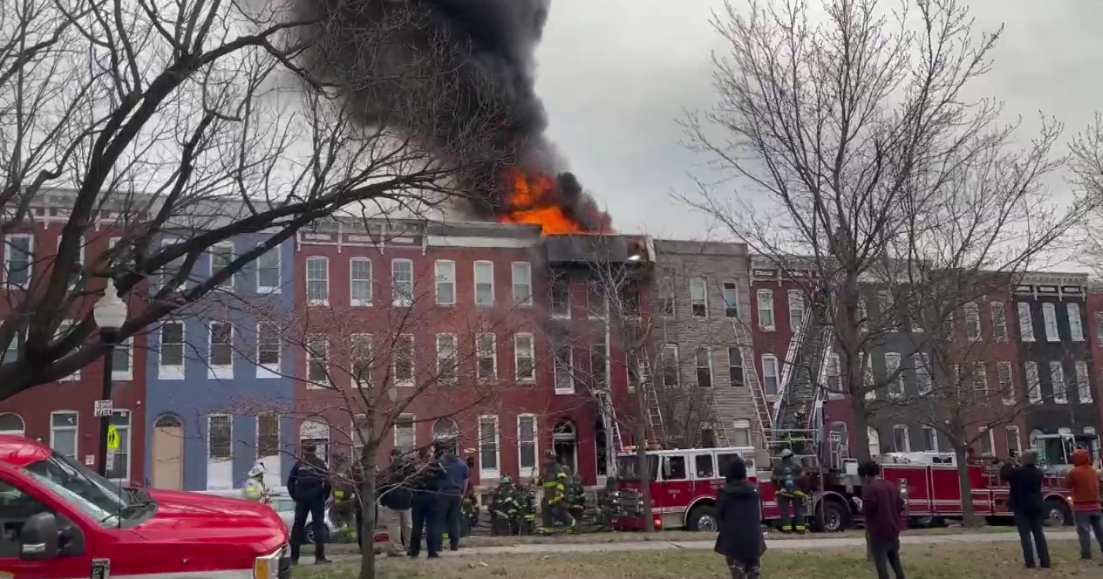
In Lakewood, fire crews are often the first to discover that a "vacant" building isn't necessarily empty.
"The first thing on our mind is: Could this be human-caused? Is there somebody in there that we need to rescue?" said Deputy Chief Michael Kirkpatrick with West Metro Fire Rescue.
Kirkpatrick says responding to fires in vacant buildings can be dangerous.
"We deal with structural integrity issues. The building may be at risk of collapse. There could be previous vandalism, exposed electrical systems, or hazardous materials like asbestos that need mitigation. Then there's debris and other trip hazards, things we can fall into or over," he said.
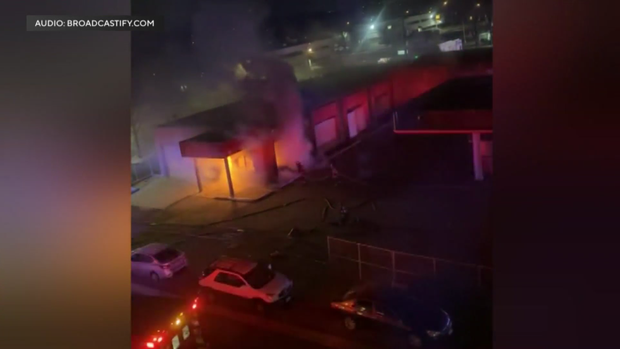
In February, a massive fire broke out at an old auto shop where first responders had been dozens of times before. Several people had been living inside.
"It never seemed like they could do anything," one resident told CBS shortly after the fire.
Near West 9th Avenue and Kipling Street, an abandoned gas station has become a frequent site of emergency calls. The owner reportedly stopped paying taxes years ago. In May, West Metro Fire Rescue responded to yet another fire at the site.
Travis Parker, with the City of Lakewood, says they're seeing more of these properties.
"These buildings come with problems that impact their neighbors and their communities," Parker said.
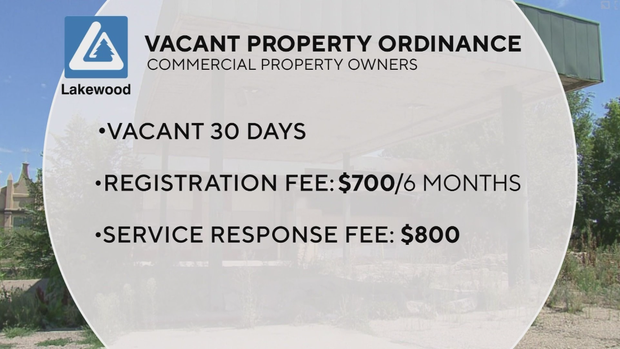
The vacant property ordinance, put in place in 2024, requires owners of commercial properties that have been vacant for more than 30 days to register with the city and pay a $700 fee every six months. Additionally, the city council approved an $800 service response fee for each incident involving these properties.
"These properties consume far more police, fire, and code enforcement resources than occupied properties," Parker said. "Getting them registered and billed is part of holding owners accountable."
There are currently around 40 properties listed on Lakewood's registry, which was implemented in 2024.
The ordinance is intended to make it easier to contact property owners, but that hasn't always worked out.
"The challenge is tracking down the owners. Many are out-of-state corporations or trusts. A lot of our time is spent just trying to get in contact," Parker said.
Some owners who are involved say maintaining vacant spaces comes with its own difficulties.
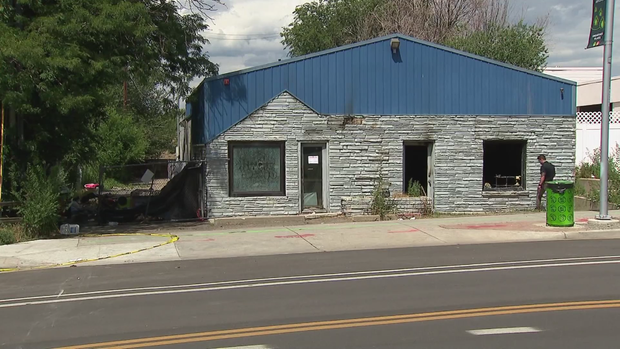
"I hired a caretaker. His mission was to get anyone out and clean up the building so it looked nice for the neighborhood," said Cyndie Shaffstall, former owner of 1445 Lamar St.
But that caretaker was threatened with a gun.
Shaffstall says the property's closing was delayed for years due to what she called ongoing issues with the city and the site's redevelopment plans.
A city spokesperson disputed that, saying Lakewood had no role in the closing and that the developer stopped communicating with them.
"I think the city has created an unfriendly environment for people who want to develop," Shaffstall said. "A four-year closing is extreme."
According to Parker, properties that are actively for sale are exempt from the ordinance.
911 records show that police and fire responded to more than two dozen calls at the Lamar property before it burned down in July.
"I don't know what the answer is," Shaffstall said.
To help prevent these situations, the Lakewood Reinvestment Authority offers a revolving loan to help pay for the cost of demolition. Once the property sells, the city is repaid. That program is currently funding demolition of the old Sears building, preparing it for future development.
Lakewood officials say they are also actively seeking developers for the Kipling Street property.