Scientists in Colorado prepare for Artemis II mission to space

It's been more than 50 years since astronauts were last on the moon, and now NASA is sending a crew back on a fly-by mission for Artemis II. The mission will bring in experts from across the country, and that includes scientists in Colorado at the National Oceanic and Atmospheric Administration in Boulder.
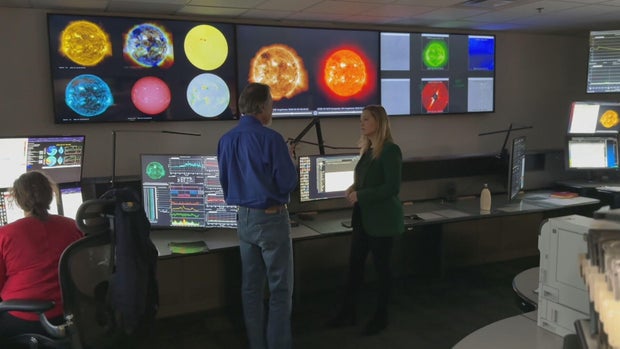
Shawn Dahl is the Space Weather Prediction Center Service Coordinator at NOAA. Dahl and his team are studying space weather involving the sun to keep astronauts safe.
"As you can imagine, there are so many things to look at when it comes to the sun, so many things to evaluate," Dahl said, discussing solar flares and solar storms.
Using satellites and countless data points 24/7, NOAA scientists predict the weather in space and whether it will have any impacts on Earth. But there will be a special focus next month when NASA sends astronauts up to the moon.
"It keeps [astronauts] safe," Dahl said of their solar forecasting work, "Because there are events from the sun that can penetrate human tissue and that can cause radiation sickness... we don't anticipate happening for the mission, but we know that it can."
Artemis II will send four astronauts to fly by the moon. Possibly sending them deeper in space than any human before. And people in this room are working to help NASA navigate any solar storms along the way.
The fly-by mission was set to launch in 2024, but was pushed to 2025, and then to 2026, where it was most recently pushed again to this March. Dahl's team is already getting ready.
"It's pressure to be right. It's pressure to make the decisions timely, accurately, you know, actionable information that we can provide for them in the best way and quickest way possible," Dahl added, "We couldn't be more prepared."
Some of that preparation comes from work with previous NASA missions, and some comes from the constant stream of satellite data.
During CBS Colorado's visit, Dahl explained how the data and images they were looking at told them information about a sunspot.
"Well, when you see something that bright, that tells us already that we've got an energetic region there," Dahl said.
And while NOAA is always keeping a close eye on the sun, Dahl is also watching the launchpad in Florida, ready to help guide NASA's astronauts through space next month. This mission is something Dahl says will leave a lasting impact on him and his team.
"As a kid, I remember the Apollo 11 mission going to the moon for the very first time... and now to be part of something like that for going back to the moon. I mean, it's a dream come true," Dahl said.
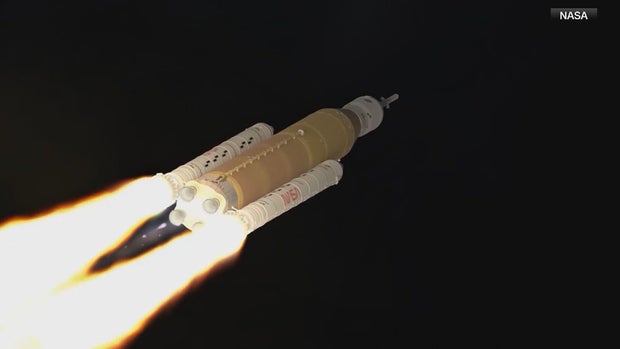
Artemis II is expected to launch as early as March, while NASA's next mission, Artemis III aims to bring astronauts back to land on the moon in 2028.