Donor Alliance in Colorado considers using drones to deliver lifesaving organs

Right now, some 1,500 people in Colorado are on the waiting list for an organ transplant. One of the greatest obstacles for many of those patients is distance – the distance between where they live and where the organ is coming from, and often the distance to a hospital that can perform the life-saving procedure.
But drones could help bridge the gap.
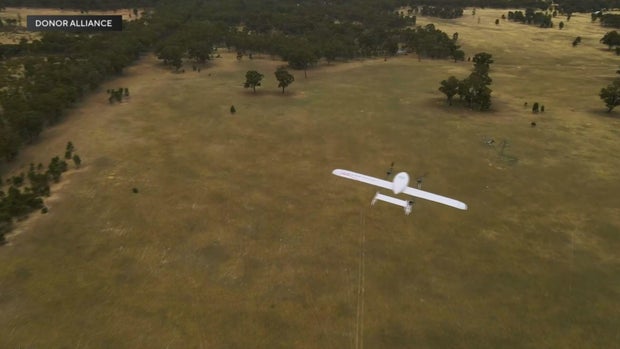
Donor Alliance in Colorado and Wyoming has joined a consortium that is exploring the possibility of using drones to transport life-saving organs between rural hospitals and those where transplant operations occur.
"Using this technology will help us to be able to move these key specimens more quickly, more efficiently, in a safe manner," said Jennifer Prinz, CEO of Donor Alliance.
Organ donation is a priceless gift, especially to Erika White. Her young daughter, Emerson, has received kidney and bowel donations.
"She died four years ago this month, but we had 13 years with her," White told CBS News Colorado. "Without the gift of organ donation, we would've never known her. It was a wonderful gift… one we can really never repay."
The organs White's daughter received gave her more time with her family, even if a lot of that time was spent traveling. They often traveled out of Colorado to another state just to improve the odds of Emerson getting the transplants she desperately needed.
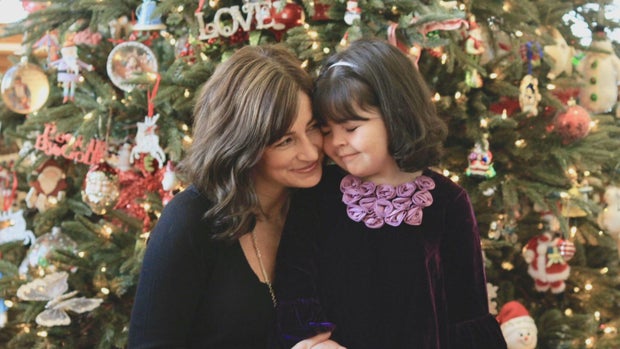
"Certainly, to anybody on the list waiting for an organ, they have no other option," White said. "They're facing death."
And that's part of what using drones for organ transportation aims to change – getting life-saving organs and medical equipment to those in need much faster.
"They travel 100 miles, carry more than 10 pounds, and are really perfectly suited to connect rural communities with urban hospitals and specialists," explained Ty Harmon, Co-Founder of the Matador UAS Consortium.
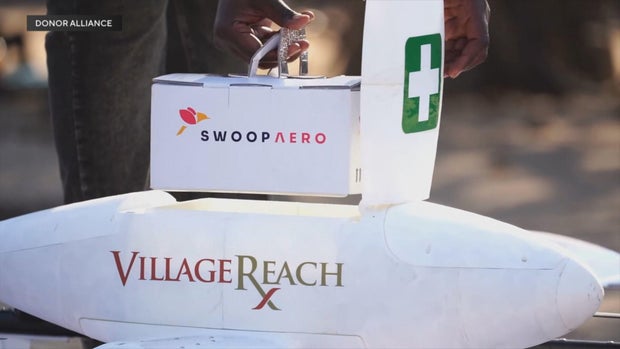
Medical missions by drone are nothing new. For the last decade, Harmon said drones have made tens of thousands of medical supply deliveries in parts of Africa and helped millions of people.
"The consortium is dedicated to advancing the frontiers of drone transportation," Harmon said. "Through the support of both academic and industry experts, we are working to accelerate research and development to ensure we have the critical infrastructure needed to help these communities."
In Colorado, the drone program is still in a testing phase. Donor Alliance said they will start by moving blood samples and medical supplies like vaccines and use routes that follow railway systems, which are already approved by the FAA.
"We're going to look at what the patterns look like to use these drone systems in our Colorado and Wyoming areas," Prinz explained. "I think we could be using this in the next year."
It's a life-saving look into the future, one that White hopes will make all the difference for Colorado families.
"Organ donation saves lives. It's really that simple," she said.