Denver Water Changes PH Levels In Effort To Keep Lead Out Of Drinking Water
DENVER (CBS4)- On Tuesday, Denver Water started changing the PH levels of the water they provide to customers, making the it slightly less acidic. It's the result of a study that Denver Water, along with the state and federal government, has been conducting since 2015 to help find ways to help keep lead out of our drinking water.
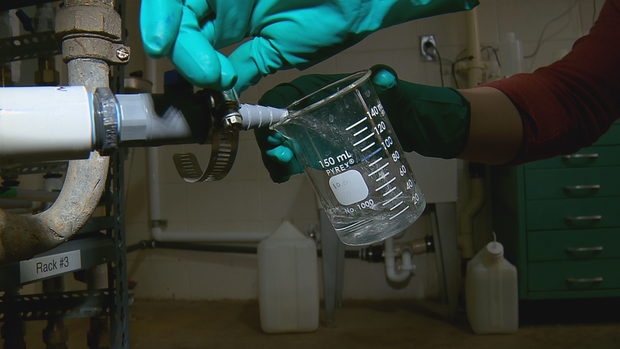
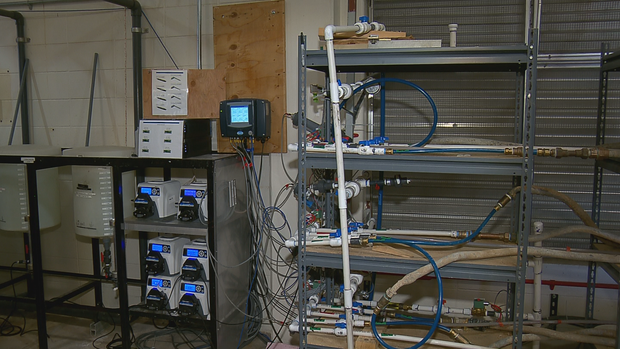
"These are actually lead lines that we've harvested from customer's homes to make sure we're replicating what's in our system and how pipes might react to various treatment changes," said Travis Thompson with Denver Water, showing us one of the facilities near Marston Lake where the water was being tested.
Along with a control, they tried several different water treatment options.
After years of study, they concluded that slightly raising the PH levels of the water would be the best solution.
"By reducing the corrosivity of the water, making it less acidic, means that water is not breaking down the pipe as much. It's also building a protective coating and scale through it that we're not disrupting," said Thompson.
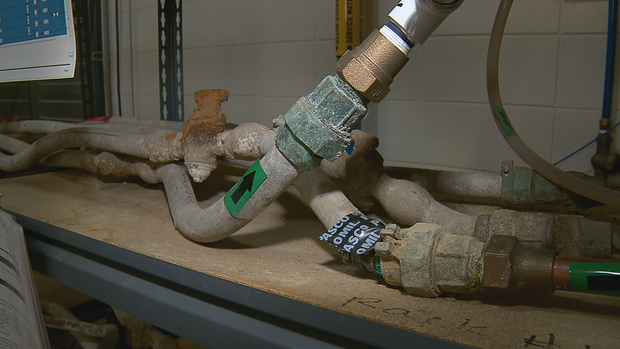
A slight change that unless you're a brewery or aquarium, should go unnoticed
"This isn't going to have an impact on taste or odor or anything like that. The general public is not going to notice the increase from 7.8 to 8.8 on the PH scale," he said.
It's part of an aggressive lead reduction plan for the city, which includes identifying and replacing old lead service lines at no cost to customers.
"It's very expensive for people to do on their own, $5,000 to $10,000, if we're able to go in in this program and get rid of that concern for our community, that's a big win for all of Denver for sure," said Thompson.
Denver Water estimates there are currently 64,000 – 84,000 customers who have lead service line which bring water into their homes. They are currently replacing 1,200 lines a year, starting this month they will begin ramping up to 4,500 a year, with the goal to replace all of them in 15 years.
- You can learn more about the Lead Reduction Program, including public comments on all of the elements of the program before it was approved and required to be implemented here: https://www.denverwater.org/your-water/water-quality/lead/lead-reduction-program
- For more specifics about the pH increase as well as FAQs developed from our work with potentially impacted industries, click here: https://www.denverwater.org/your-water/water-quality/lead/lead-reduction-program/ph