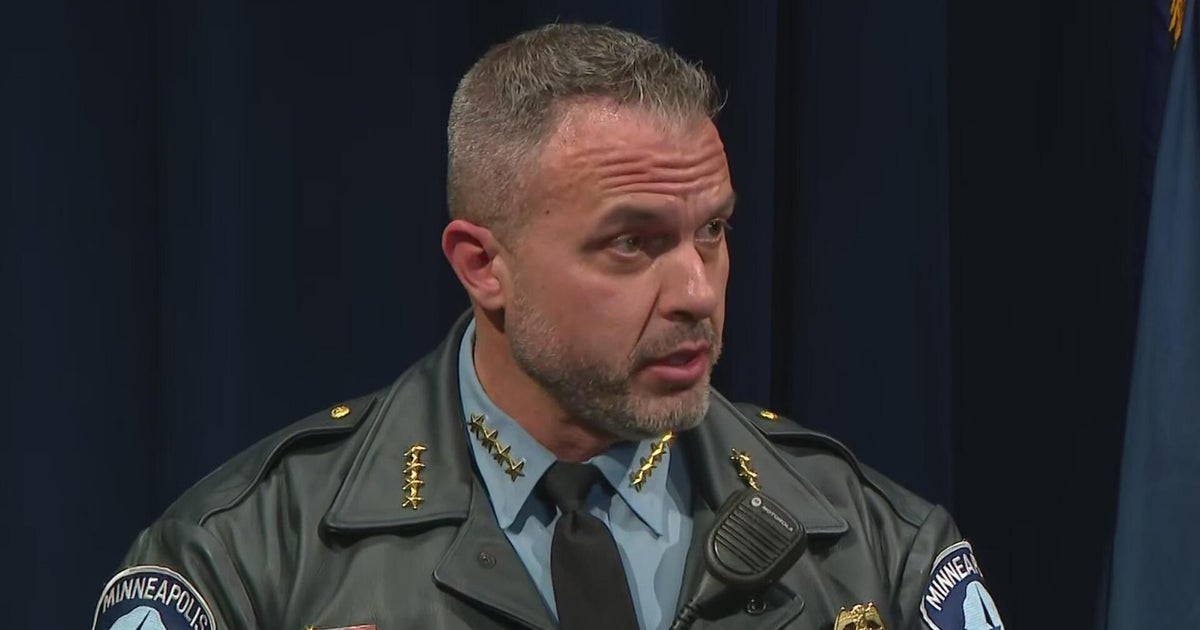
Denver Police former Chief Paul Pazen reflects on time with the department
Paul Pazen served his last official day with the Denver Police Department on Friday.
CBS News Colorado's Jim Benemann sat down with Pazen to talk about his time in the top job and the challenges facing his successor.
A former Marine and Gulf War veteran, he served 28 years on the force with the last four as chief.
The Denver native has been extremely proud to serve the city he loves.
But despite being just 52, "we all have shelf lives and for me it's time to flip the page and start a new chapter," Pazen said.
Pazen also says the timing is right for the department as the city calms down in the fall and his presumed successor has already taken the reins.
"Most importantly is, Chief Ron Thomas is ready. More than ready," Pazen said. "He's been developing and preparing for this for years and years."
Pazen was dealt a tough hand with managing the force during a pandemic and a severe officer shortage.
But you can't blame bad timing for the police misconduct during the George Floyd protests that led a federal jury to award $14 million in damages to 12 people who sued.
"And it's tough because we want to replay those things in our mind. But you need to learn from those mistakes to try to prevent those tragedies in the first place," he said.
Pazen has been outspoken on the need for police, prosecutors, the courts and lawmakers to work more closely together to keep communities safer.
As for traditional crimefighting, he says Denver Police are arresting more car thieves than ever before and getting a record number of illegal guns off the streets.
"So again, focusing on the biggest problems. With auto theft being the biggest driver and then the most impactful crimes, the gun crimes, they have done that," Pazen said.
But the sheer number of crimes in the city remains disturbingly high.
The department is aggressively recruiting more officers for what Pazen calls, "a rewarding career."
"Every single call an officer responds to, they have an impact on a young person, a family, an individual," he said.
Pazen directed the launch of some effective new programs.
The Star Program sends mental health clinicians and paramedics to non-violent calls involving mental health issues.
He also helped with the "hot spot policing" strategy that concentrates resources in areas that see high numbers of shootings and murders.