Why Colorado's snowpack is so low — and if winter can still deliver

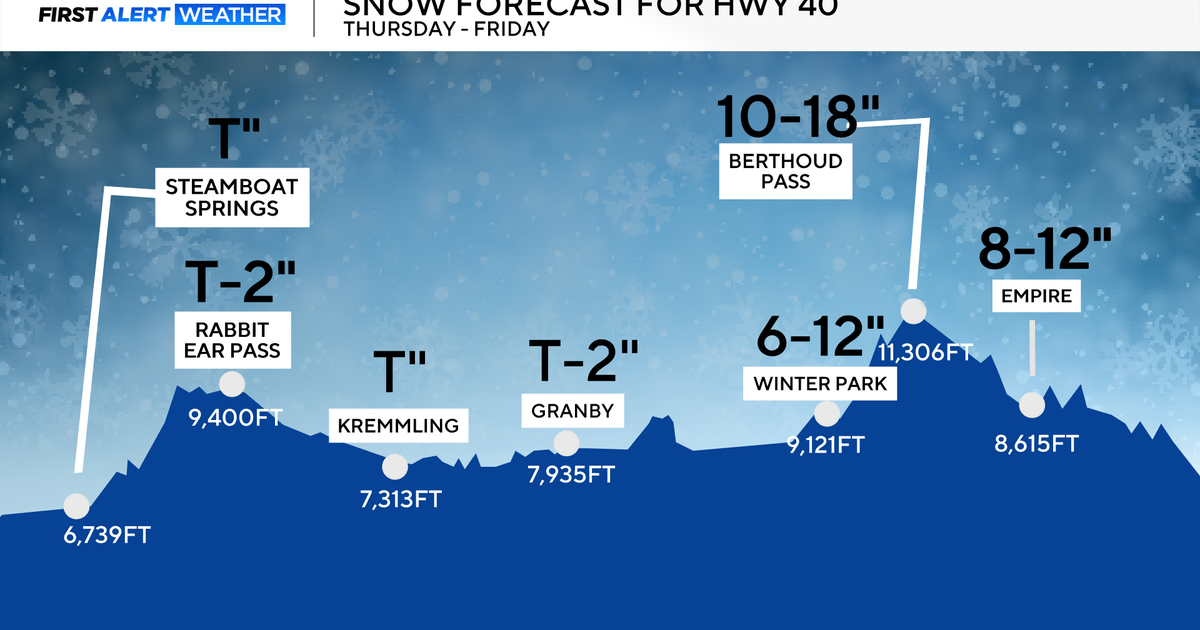
Right now, snowpack across the state is at historic lows for late January, raising red flags statewide.
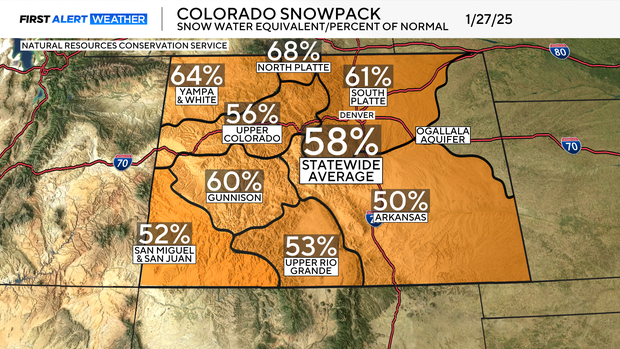
"Statewide snowpack is at 58% of average for this time of year," said Peter Goble, Assistant State Climatologist. "If you average things out statewide, it is the lowest we've been at this point in the snow season in the modern SNOTEL record."
The modern SNOTEL record dates back to 1987, making this the worst start to the snow season in nearly 40 years. And the lack of snow hasn't been the only issue — record warmth has also played a major role.
"It was the warmest December we've experienced going all the way back to 1895," Goble said.
Goble says a persistent pattern of high pressure over the western U.S. has been the main driver behind both the warmth and the lack of snow, effectively blocking Pacific storms that typically help build Colorado's snowpack.
"We've had way more high pressure over the Intermountain West than a normal winter," Goble said. "Those high-pressure conditions have acted to really shut the door to the Pacific moisture that helps build our snowpack."
While long-term climate change is part of the picture, Goble says natural climate patterns — including La Niña — are also contributing factors. Historically, Colorado has seen winters where snowpack rebounded dramatically during the second half of the season — but those scenarios are considered best case.
"We do have historical precedents for years where we've had enough snow over the second half of the season to catch up," Goble said.
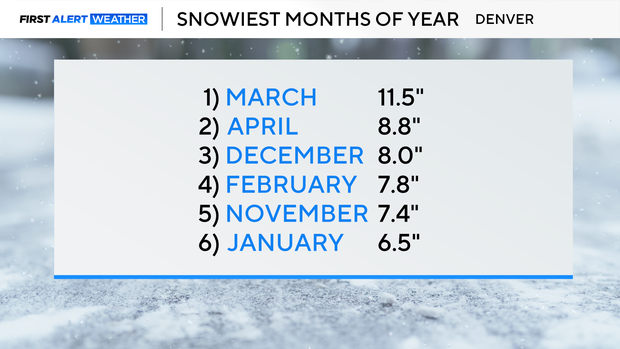
Looking ahead, there is still time left in the snow season — but even average snowfall from here on out wouldn't be enough to avoid impacts.
"If we have average snow from this point forward, it would still be a drought year," Goble said. "And looking at the next couple of weeks, it's likely the snowpack numbers get a little bit worse before they get better."
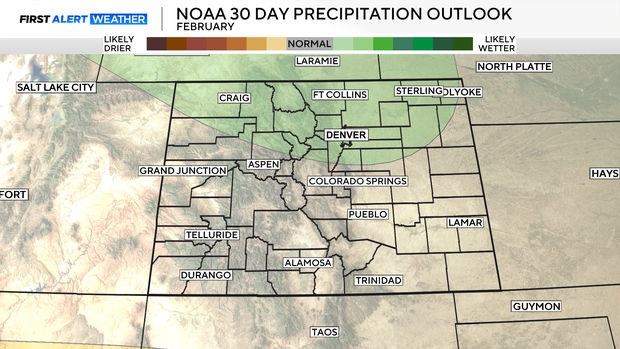
Low snowpack affects far more than winter recreation. Colorado is considered a headwaters state, meaning nearly all of the water used across the state starts as mountain snow.
"If we end up with really low snowpack numbers, our water supplies will take a hit," Goble said.
That could eventually lead to water restrictions, increased wildfire risk, and challenges for agriculture later this year.
For now, experts say the next few months will be critical as Colorado waits to see whether winter can still deliver meaningful snow before spring arrives.