Colorado loses more farmland than any other state and some farmers say state policies aren't helping

The Colorado Department of Agriculture says 2026 will be another tough year for farmers and ranchers.
Acting Colorado Agriculture Commissioner Robert Sakata told a joint hearing of the Senate and House Agriculture Committees that Colorado producers are facing a lot of headwinds, including tariffs, drought, and several deadly viruses.
The industry is the second-biggest economic driver in Colorado, generating $47 billion per year. But according to the most recent USDA survey, Colorado lost more farmland than any state in the country between 2017 and 2022. More than 3,000 farms went out of business.
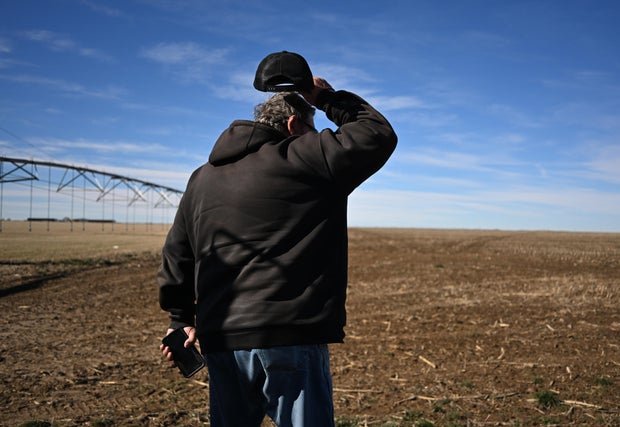
Republican state Sen. Byron Pelton, a Morgan County rancher, says state laws and regulations are partly to blame. Four years ago, Colorado joined California and Oregon in requiring farmers to pay overtime.
While it was meant to help farm workers, Pelton told Sakata it has backfired in many cases, causing migrant workers to go to other states where they can work more hours.
"What are you guys seeing with the $47 billion economy that agriculture produces in the state and with the low labor force that's coming?" Pelton asked.
Sakata says he knows farmers are struggling.
"The Department of Ag has been really thoughtful in their process and developed a special program dedicated around ag workers," he said. "We're doing as much as we can at the Department of Ag to support, not only ag workers, but the employers to help figure out how we can really attact the workforce that we need in Colorado."
In addition to the overtime law, the state also enacted a regulation requiring a certain square footage of shade per worker. This year, lawmakers are expected to bring a bill that would require a certain amount of water per hour if temperatures are above 80 degrees and a measure that would regulate pesticide-coated seeds. The state is also considering limiting emissions from farm equipment.
Pelton says as farms go, so goes rural Colorado. He says the shortage of farm workers has led to declining enrollment in some rural school districts.