Norovirus thrives in winter. Here are the signs and symptoms, and how you can stop the spread.


It's the holiday season, which means it's the most common time of year for norovirus to spread. Here's what you need to know about this winter stomach bug.
Silver Cross Hospital in Will County reported an increase in emergency room visits due to the virus over the week leading up to December 17.
"Norovirus spreads fast, even before you know you're sick," Dr. Gregory Striegel with Silver Cross Medical Group in Orland Park said. "The best defense against any virus is good handwashing, keeping surfaces clean and staying home when you're sick. Acting early helps protect everyone."
A school district in the south suburbs moved to an e-learning day on Friday due to an outbreak. The Troy Community Consolidated School District 30-C announced the decision to keep students home after a "stomach illness" spread to students and staff.
The district is in contact with the Will County Health Department and will follow their guidance. All district buildings will be sanitized during winter break.
Symptoms and signs of norovirus
Norovirus is actually a group of related viruses that affect the intestinal tract to cause stomach illnesses, according to the Illinois Department of Public Health.
Onset of symptoms typically occurs between 24 and 48 hours after exposure.
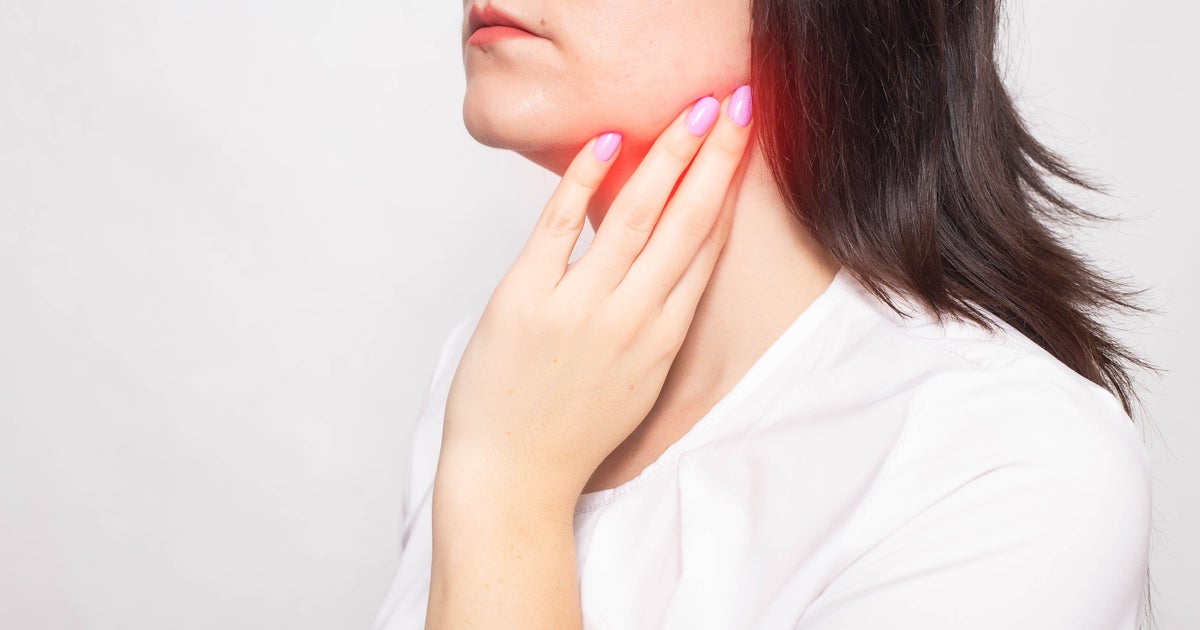
Symptoms include vomiting, diarrhea, nausea and abdominal pain, as well as body aches, headache, tiredness and low-grade fever.
Patients usually remain symptomatic from 24 to 60 hours after onset, IDPH said. Health officials say anyone with symptoms needs to stay home for at least two days after symptoms end.
How is norovirus spread?
To put it simply, norovirus spreads through us. Humans are the only source for noroviruses to grow and spread, and they cannot multiple outside the human body, IDPH said. The viruses live in the feces of an infected person, and can be transmitted if the infected person doesn't thoroughly wash their hands after a bowel movement.
That includes handling food that is not later cooked (raw foods like salads, or already-cooked foods liked baked goods that do not subsequently need to be heated to temperatures that kill viruses are examples). Food heated to cooking temperatures will kill the virus.
You can also become infected if you consume water contaminated by sewage with the virus present, or from ice made from contaminated water. Raw shellfish from contaminated water can also transmit noroviruses.
Person-to-person contact with someone who is infected and has not properly washed their hands also spreads the virus. IDPH said there is some evidence the norovirus can also be spread by vomit particles lingering in the air, or contact with objects contaminated by fecal material.
How to prevent the spread of norovirus
According to the CDC, the best way to prevent the spread is hand washing with soap and water. Hand sanitizer does not kill or work to prevent the spread of virus. Hands should be washed for at least 20 seconds in with soap and hot water.
The CDC recommends washing hands before eating or handling food. This also includes washing hands after using the toilet or changing diapers.
The CDC also recommends:
- Wait at least 48 hours after symptoms stop to prepare or handle food for others.
- When dealing with contaminated items, wash with detergent and hot water at the maximum available cycle length and then machine dry them at the highest heat setting.