Broadview Village Board changes zoning rules in effort to limit new ICE facilities

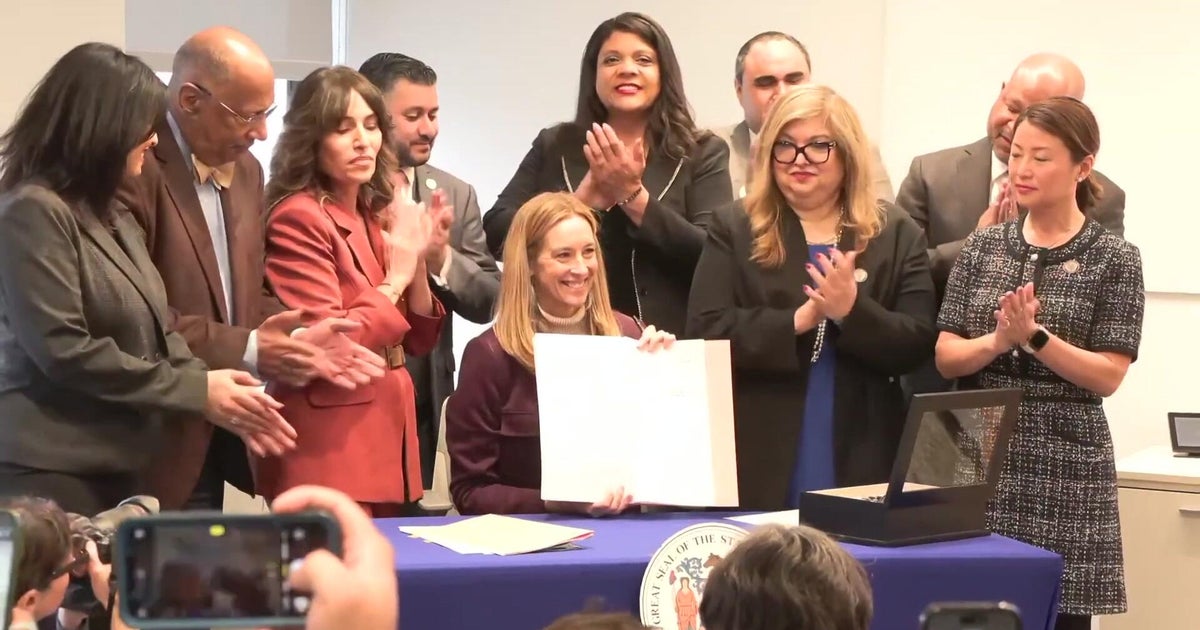
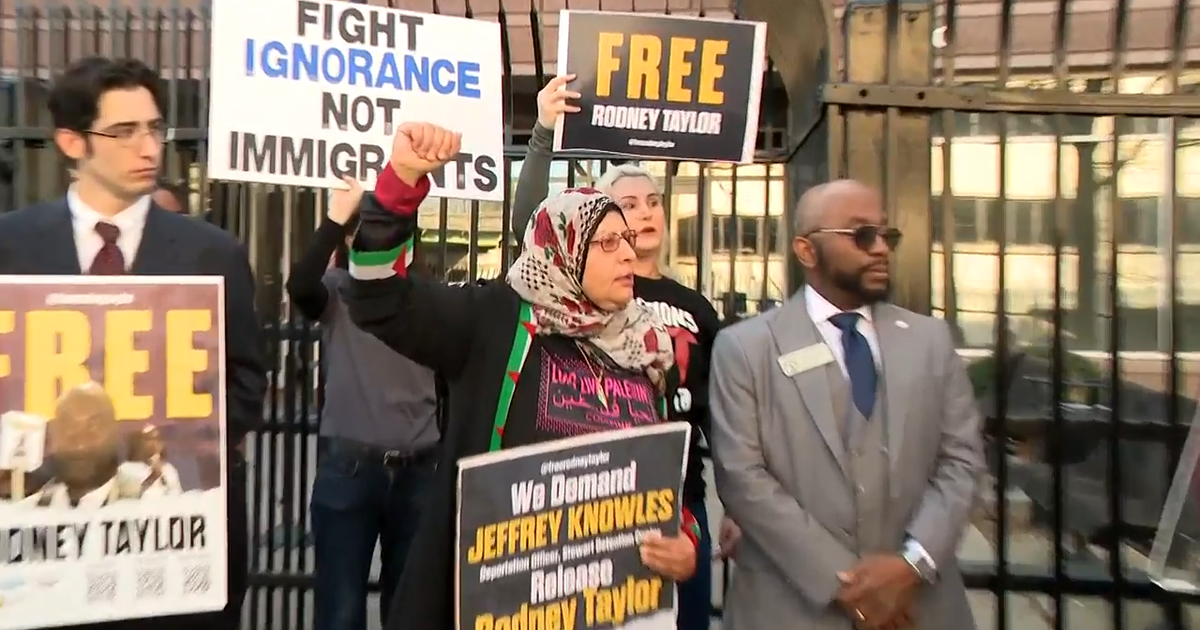
The Broadview Village Board on Monday approved changes to its zoning laws to place new restrictions on prisons and detention centers, following months of protests at the U.S. Immigration and Customs Enforcement facility in the suburb.
The 5-0 vote by the board came after the village's zoning board of appeals voted against the proposed changes last month. At least one member of that panel testified at Monday night's village board meeting that they had since changed their mind and urged village leaders to back the new restrictions.
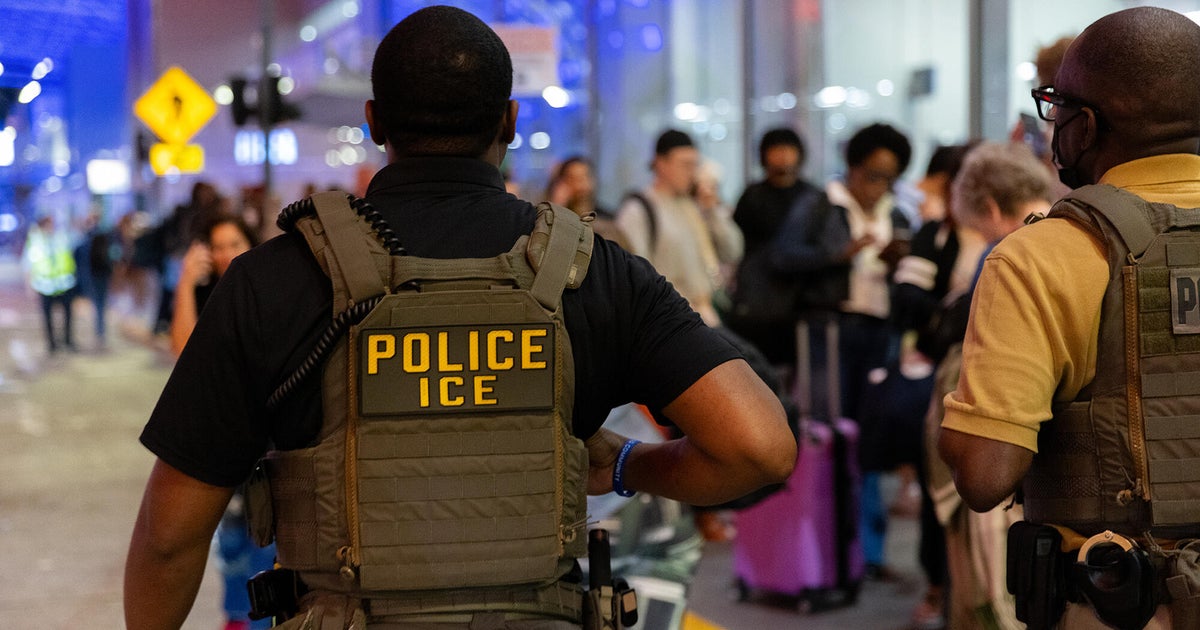
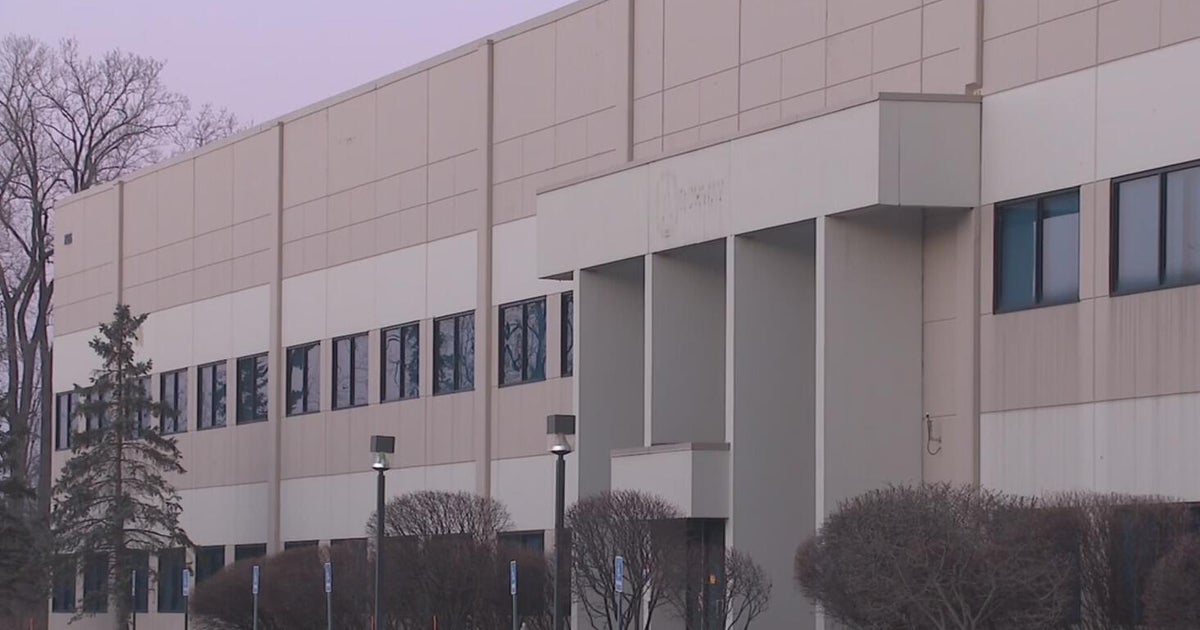
The ordinance would not affect operations at the existing ICE facility in Broadview, but would limit where any new ICE facilities in Broadview could be located amid reports that ICE is exploring a substantial expansion of its facilities in both Broadview and downtown Chicago.
The plan would require any prisons and detention centers to obtain a special use permit from the village. Such facilities and could not be located within 1,000 feet of residential areas, schools, daycare centers, cemeteries, public parks, forest preserves, senior living facilities, and public housing, and other prisons and detention centers. Prisons and detention centers also would not be allowed within 750 feet of a house of worship.
The ordinance would also require secured fencing and gates, and establish minimum parking requirements for such facilities.
Broadview Mayor Katrina Thompson said the ICE processing center has been in the village for more than 30 years, and until now, the village's zoning laws have been silent on where prisons or detention centers could be located.
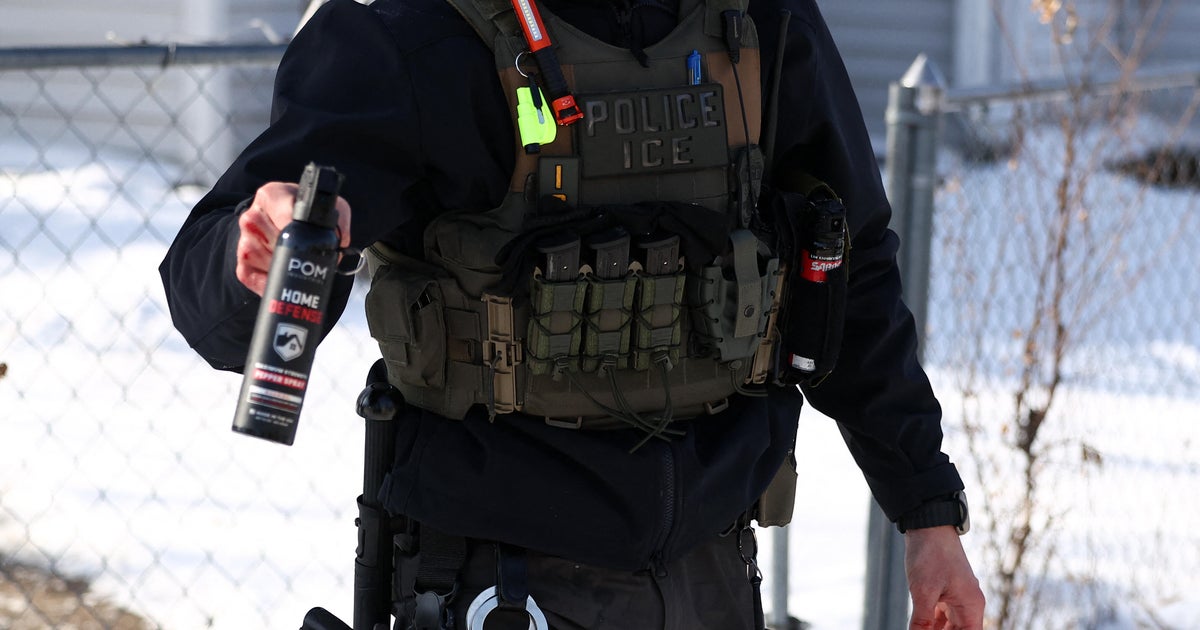
Thompson said the increased operations at the Broadview ICE facility beginning last summer not only led to frequent large-scale protests and excessive noise for people who live nearby, but often exposed neighbors to tear gas and forced parents to keep their children indoors.
"This ordinance represents a lawful, measured, and responsible act by the village to close a regulatory gap, protect residents, preserve neighborhood civility, and ensure that future land use decisions reflect what's best for Broadview," she said. "The purpose of these amendments are not to regulate federal authority or immigration policy, but rather to ensure that land use within the village are compatible with surrounding neighborhoods."