New coronavirus strain causes 'double-whammy' of concern for Chicago epidemiologist
The name XBB.1.5 may be new, but this coronavirus variant spreads in a familiar way.
Watch CBS News
The name XBB.1.5 may be new, but this coronavirus variant spreads in a familiar way.
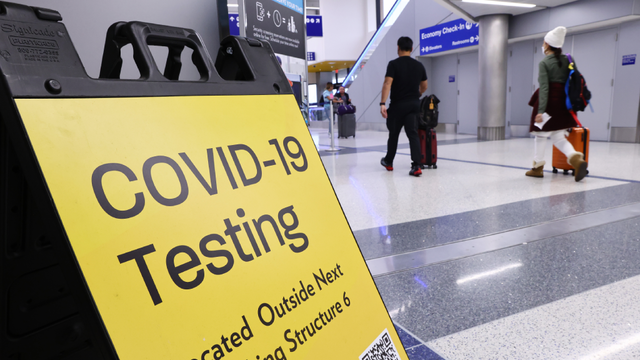
The CDC cited concerns over the COVID-19 surge in China and "the lack of adequate and transparent" data from the country's health authorities.

A poll found nearly 40% of Americans said their mood declines in the winter and a quarter reported feeling depressed.

There's cold – and then there's bitter cold. Subzero air temperatures with double-digit negative wind chills constitute the latter – and it's dangerous.

Thousands are poisoned by carbon monoxide each year. But the use of CO detectors and alarms is largely optional.

Local experts are warning of a triple-demic – with COVID, flu, and RSV cases in children all climbing for what is expected to be the worst season in a decade.
The World Health Organization urged countries to adopt the new name for the disease, citing the "ongoing negative impact" of the original.

The XBB variant has climbed to 3.1% of new COVID cases nationwide, the CDC now estimates.

As Americans enter the third pandemic holiday season, there are two more respiratory viruses surging: respiratory syncytial virus (RSV) and influenza.

Mothers Opposed to Violence Everywhere has been going door to door, passing out the flyers to residents.

"This country would benefit from more manufacturing capacity and redundancy," the health care company's CEO said.

The emergency room at the University of Chicago's Comer Children's Hospital saw a huge influx in patients this past weekend on account of both viral infections.

Almost 11 percent of babies in Illinois are born too early – and that number has been ticking up slowly since 2011. We wanted to know why – and what can be done to fix it?

The focus is now on how settlement dollars will be used and whether they can curtail overdose deaths.

In Chicago, as fall transitions into winter, the days get shorter, darker, and typically colder. With the change of seasons, people can start to feel changes in their mood, too.