Raffensperger sues to overturn Georgia fundraising limits, says law gives Lt. Gov. Burt Jones unfair advantage

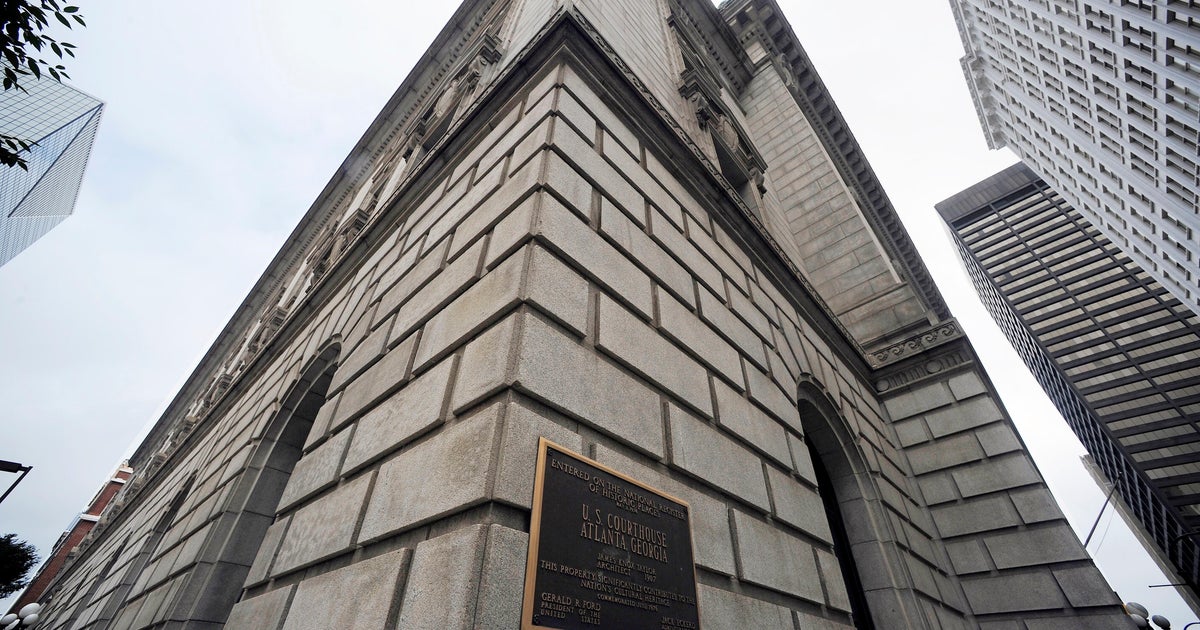
Georgia's secretary of state is taking his fight over campaign money to federal court, and the outcome could reshape one of the state's most-watched statewide races.
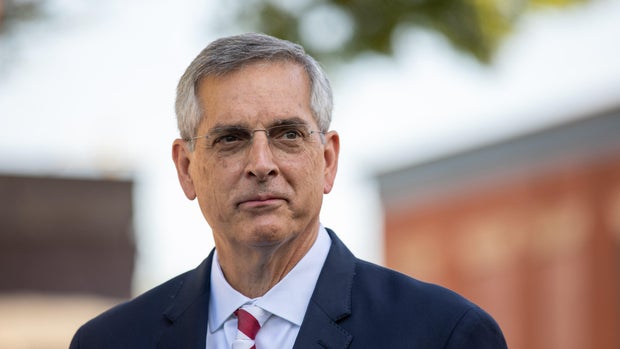
Brad Raffensperger filed a lawsuit this week challenging Georgia's campaign-finance structure, arguing the current rules create an uneven playing field that benefits one candidate in particular: Lt. Gov. Burt Jones, who is already campaigning for governor and raising millions through a special leadership committee.
The issue centers on a 2021 law that allows certain top officeholders, including the governor and lieutenant governor, to raise unlimited funds through these committees. Those accounts can coordinate directly with campaigns and do not face the $8,400 contribution caps placed on traditional candidate committees.
Raffensperger, who is exploring a run for governor himself, says that distinction violates the Constitution.
He isn't asking the court to shut down leadership committees. Instead, he wants every candidate to have the same ability to raise unlimited funds — essentially lifting the caps for all campaigns.
A fundraising gap already shaping the 2026 race
Jones' leadership committee has become one of the most powerful fundraising vehicles in Georgia politics, hauling in more than $14 million as he campaigns statewide.
Previous lawsuits have challenged the same law, including by former U.S. Sen. David Perdue, with mixed results. And earlier this year, a judge dismissed Attorney General Chris Carr's attempt to block Jones from using his committee, keeping the current system intact.
That decision cleared the path for Jones to continue raising unlimited cash while potential challengers remain capped.
What Raffensperger wants and what could change
If Raffensperger wins, Georgia's political landscape could shift dramatically:
- Every candidate for statewide office could raise unlimited money.
- Leadership committees may lose their outsized influence.
- Donors and campaigns would need to rethink spending strategies ahead of the 2026 primaries.
If he loses, the existing system — and Jones' advantage — stays in place.
Election-law experts say Georgia's framework is one of the most aggressive in the country when it comes to allowing unlimited coordination between leadership committees and campaigns.
A lawsuit with political stakes beyond 2026
The suit arrives at a moment when Georgia continues to be a national battleground for political fundraising, dark-money operations and election reform. It also signals Raffensperger's growing willingness to challenge the Republican establishment, a posture that has defined much of his tenure since the 2020 election.
A court date has not yet been set. But any ruling will have immediate consequences for the 2026 governor's race and the balance of political power at the state Capitol.
CBS News Atlanta will continue to follow this lawsuit as new filings and rulings emerge.