Metro Atlanta Urban Farm helps veterans, students and families grow food and stronger communities
As grocery prices continue to strain household budgets, a five-acre farm in College Park is helping people save money by teaching them how to grow their own food while cultivating something just as valuable: community.
For 19 years, Metro Atlanta Urban Farm has used agriculture to improve lives, serving as a gathering place for neighbors, students, volunteers and, more recently, military veterans.
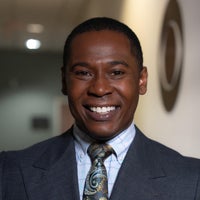
Founder Bobby Wilson says the mission has always extended far beyond planting vegetables.
"When we started out, we never intended for this just to be a place where you plant a seed and watch it grow," Wilson said. "We understood the therapeutic value of agriculture, of growing food."
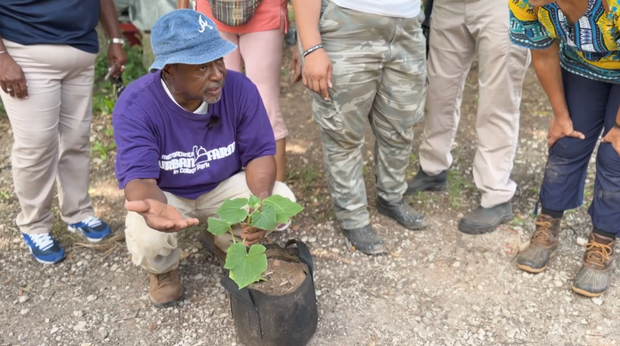
Located at 3271 Main St. in College Park, the nonprofit teaches participants how to grow food using heirloom seeds, compost and natural growing methods without synthetic chemicals. Wilson said those skills help families become more self-sufficient while improving access to fresh, healthy food.
"We use agriculture as a tool to help improve the quality of life of those who have been primarily left out of the mainstream of society," Wilson said.
The farm recently expanded its reach through a partnership with the Wounded Warrior Project.
Veterans gather at the farm every other week to plant crops, harvest produce and learn skills they can use at home.
Combat veteran and Wounded Warrior Project Peer Leader Teak Wilson said the experience has given veterans more than gardening knowledge.
"It's allowed me to make an impact in the community, not feel like I'm alone in the city," Wilson said. "It's lessened my stress. It's given me a place to just get grounded, be in nature, and not be too far away from the house."
She said the practical lessons are becoming increasingly valuable as food costs continue to climb.
"I went in the store recently and spent $80 and only left with three things," she said. "So just being able to come here and know that I could have at least a cucumber tomato salad that I didn't have to pay for, that's a blessing."
The partnership began in early June, with veterans from multiple branches of the military learning how to plant heirloom seeds that can be harvested and replanted for years to come. Participants leave with planter bags, seeds and vegetables to continue growing food at home.
The farm is also investing in the next generation of agricultural leaders.
Joshua Good, 20, traveled from Ridgeland, Mississippi, to spend eight weeks interning at the farm while studying agricultural business at Alcorn State University.
Good said the internship is teaching him skills that can't be learned in a classroom.
"How to plant with my hand, how to operate a tractor, how to make a grow bed, and how to use different types of soil," he said.
Wilson believes those lessons are the true harvest.
For nearly two decades, he has watched volunteers return year after year, mentoring new gardeners and sharing what they've learned with others.
"Some of those same people that have been gardening with me for almost 20 years are still here," Wilson said. "They're still helping new gardeners, they're still building communities, and they're still trying to make a difference by growing some of their own food and taking it back and sharing it with other people in their community."
The nonprofit also partners with schools, churches and community organizations, including groups from Coca-Cola and Tuskegee University, to provide hands-on agricultural education throughout the year.
Wilson hopes the farm continues expanding those partnerships while encouraging more people to discover the benefits of growing their own food.
"We're trying to make a positive difference in the lives of marginalized and underserved communities," Wilson said. "Gain those skill sets to help improve the quality of life of everybody in your community and expand it into other communities."
For participants, every harvest offers more than fresh produce.
It provides knowledge, confidence, and the opportunity to strengthen communities one seed, one lesson, and one neighbor at a time.


