Metro Atlanta nonprofit takes on double duty amid dropping temperatures and urban camping ban

As temperatures across the metro Atlanta area begin to feel more like winter, Frontline Response warming centers in DeKalb County are activating for double duty. In addition to sheltering people from the cold, the organization is preparing to take in unhoused residents affected by a recent ban on urban camping.
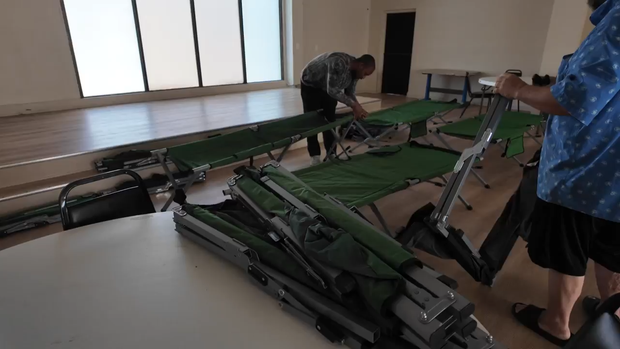
At its main shelter on Gresham Road, which holds 400 beds, crews began loading vans with cots and other supplies to stock warming centers set to open across the county as overnight temperatures drop below 35 degrees.
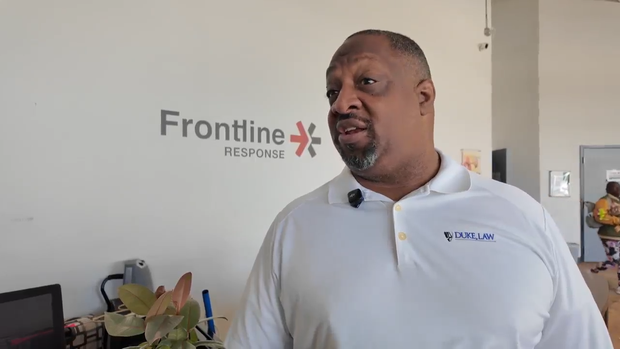
Frontline Response National CEO Terry Tucker said the nonprofit has several warming centers ready to receive unhoused people across the county.
"We'll have a tremendous amount of capacity to be able to handle people this year that really just needs to be able to come out of the elements or that really feel like that they need a place so they're not encroaching on any of the urban camping laws," Tucker said.
To support the effort, DeKalb County commissioners and the Tucker City Council recently allotted a combined $1.4 million to the nonprofit.
"We were very fortunate to get additional funds and to get our contract renewed, but they actually increased the funds this year, so we would be able to take care of any of the increased capacity that came as a result of the urban camping ordinances," Tucker said.
The ban on urban camping has been in effect for nearly two weeks. Under the ordinance, it is unlawful to set up living accommodations that obstruct public access or block entryways to county facilities, including sidewalks and other pathways. Unhoused individuals caught violating the ordinance can be cited, arrested, and jailed.
However, Tucker said the nonprofit has built relationships with local law enforcement to offer shelter as an alternative to arrest.
"Jail is an absolute last option. They could call us at 1 o'clock in the morning, and we'll dispatch someone to come and pick up that individual if they need shelter," Tucker said. "What the additional funds allowed us to do is to work directly with law enforcement, so now law enforcement can drop people off directly at the shelter, directly at the warming center as an option and alternative versus taking them to some other places."
In addition to coordinating with police, Frontline Response proactively searches for people in need of shelter.
"We actually don't wait for unhoused individuals to come to us when they're in need of assistance," Tucker said. "We have a hotline, and we have 10 vans that go out and look for various unhoused individuals in places that we know they are."
While Frontline Response prepares its additional warming shelter locations across the county, its main facility on Gresham Road will continue operating and offering full wraparound services.