"Let the people speak": Tensions boil over at DeKalb meeting on data center regulations

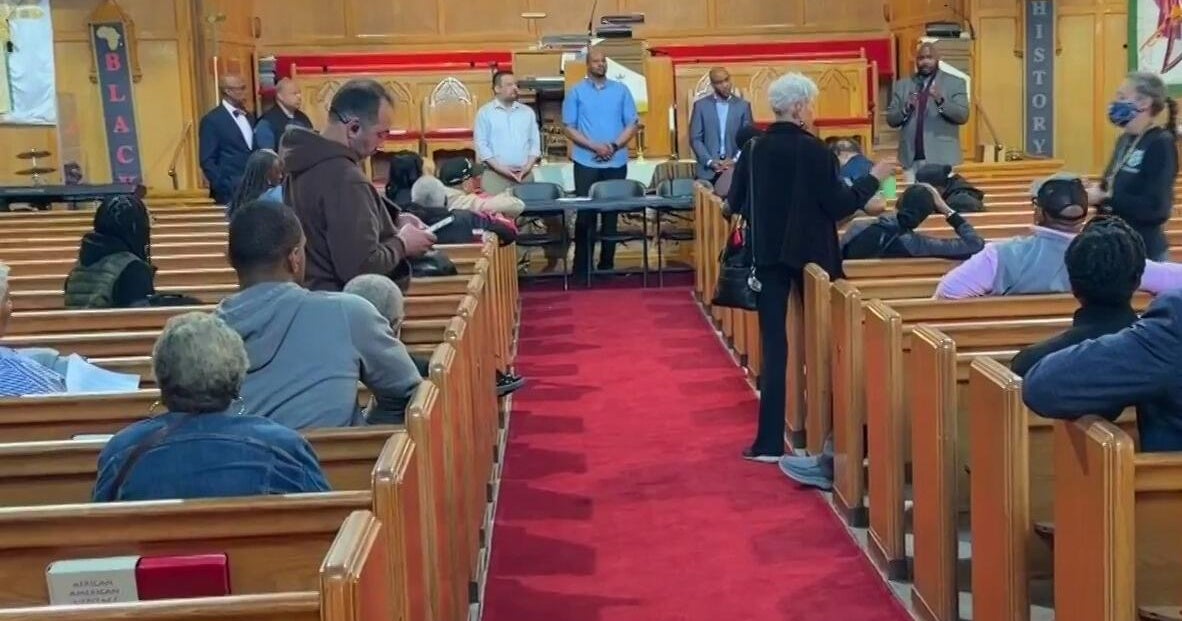
DeKalb County's debate over the future of data centers boiled over Thursday night as the Board of Commissioners held a contentious zoning meeting — one that erupted into shouting, chanting, and, eventually, police escorts.
The crowd's anger underscored a much bigger question facing metro Atlanta: What does the region stand to gain — or lose — as AI companies rush to build massive, resource-intensive data farms across the South?
A booming industry meets a furious community
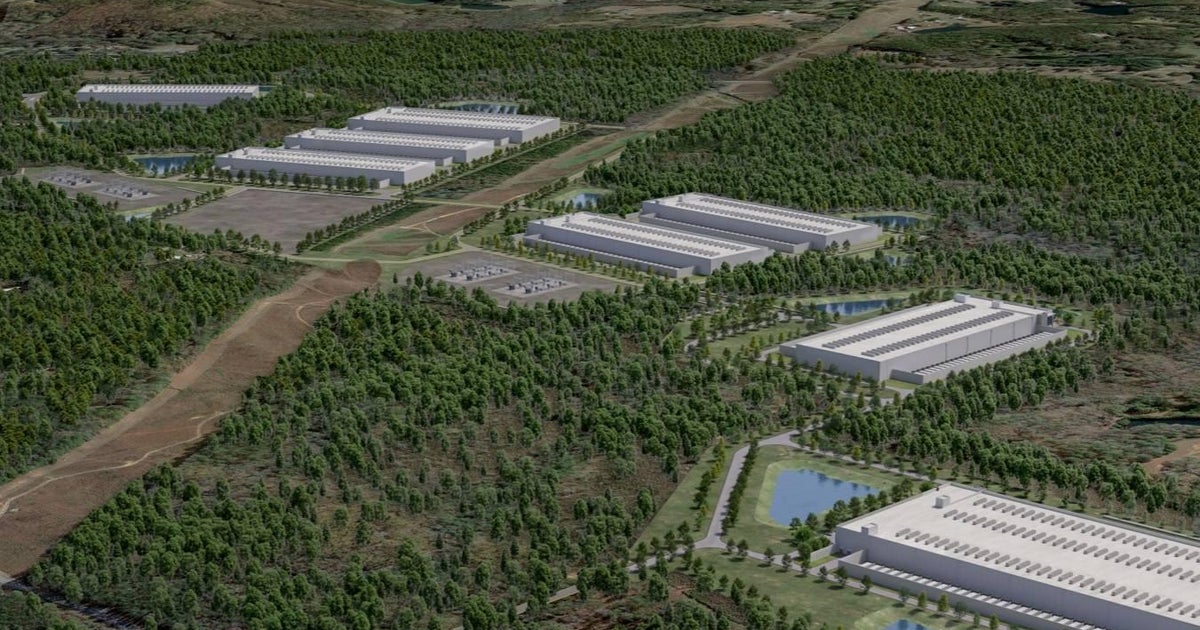
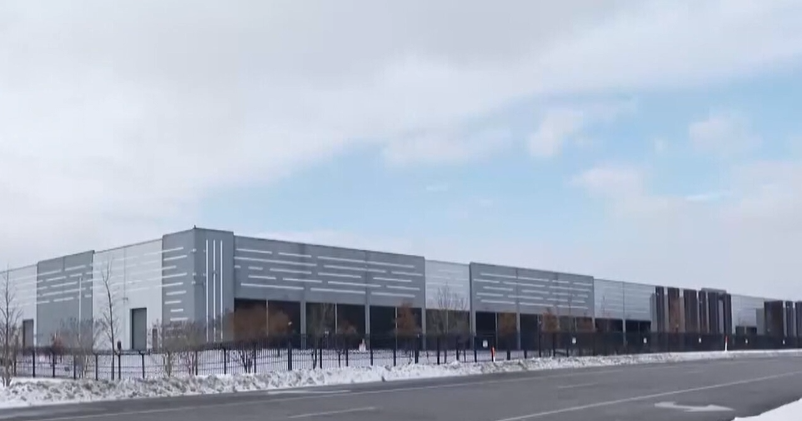
For months, DeKalb County officials have been weighing how to regulate data centers - the giant machine rooms powering AI tools, cloud storage, and corporate computing.
Atlanta is one of the fastest-growing data-center hubs in the nation, attracting Amazon, Google, Meta and dozens of other tech giants.
But the growth has come with pushback, especially in South and East DeKalb, where residents say predominantly Black neighborhoods are being targeted as "sacrifice zones."
On Thursday, the Board of Commissioners presented a proposed zoning text amendment that would formally define data centers and set strict development rules. Minor and medium-sized centers would be allowed in certain zones, but only if they sit at least 500 feet from any residential property.
The meeting drew a standing-room-only crowd.
Stricter rules but not enough, residents say
The updated proposal includes some of the toughest requirements DeKalb has considered to date:
- Noise impact and energy consumption assessments
- Water-use and sustainability plans
- Stormwater and sewer-capacity evaluations
- Tree preservation and reforestation plans
- Mandatory annual compliance reports
- A 75-foot building height cap (higher if renewable offsets reach 45%)
- 100% screening of rooftop equipment
- A required 20-foot noise-abatement wall
Supporters, including several community council members, argued the new rules are "a good start."
But many residents said they weren't nearly enough.
"This development will destroy East and South DeKalb. These are our Black communities," said Gina Mangham of Renew DeKalb, calling for an outright ban on major data centers.
Others said the regulations lacked protections for parks and greenways, water resources, and neighborhood character.
One resident who says he previously worked in a data center called the proposal "a bad deal."
A state already strained by the AI boom
Each large data campus uses the same amount of electricity as tens of thousands of homes, according to energy analysts.
Water use is equally enormous, particularly for cooling racks of supercomputers.
MIT researchers note that training a single advanced AI model can produce the same carbon footprint as five gasoline-powered cars over their entire lifetimes.
With dozens of new centers planned across the state, Georgians are asking: Who pays the cost? The tech companies or the ratepayers?
A debate that goes beyond DeKalb
Although Georgia's energy demand is rising with the growth of AI data centers, Georgia Power says residential and small business customers are not paying for the grid expansions needed for those facilities. New Georgia Public Service Commission (PSC)-approved rules require large-load customers to cover those costs upfront, and customer base rates are frozen through 2028, aside from Hurricane Helene recovery fees.
At the heart of the issue is the GSPC, the regulatory body that decides whether utility companies can pass grid-expansion costs onto consumers.
Advocates worry the PSC is too utility-friendly and fear the state might continue shifting the financial burden onto residents as Big Tech ramps up its expansion.
The battle over AI infrastructure also reflects unease about AI's broader societal impacts, from misinformation storms to "AI slop" overwhelming reliable journalism.
The deepfakes and fabricated images that Americans are running into more and more are powered by the same technology fueling Georgia's energy-hungry data-center boom.
For many residents, AI is no longer an abstract idea; it's a tangible force reshaping both digital and physical life.
What happens next
DeKalb commissioners will revisit the proposed regulations on Dec. 16.
"We don't want this and we don't need this," one resident told CBS Atlanta. "This does not benefit us or our children or our neighborhoods."
As the nation leans into AI, this suburban county has become ground zero in a debate over innovation, equity, and the future of the South.
Editor's note
This story was updated to reflect Georgia Power's clarification that residential and small business customers do not pay for grid expansions serving large-load customers, including data centers.