DeKalb recovery center helps mothers heal while keeping their children close

An addiction center in DeKalb County is giving mothers something many say they desperately need while working toward sobriety: a safe place where they don't have to choose between getting treatment and caring for their children.
Breakthru House, a residential program in Decatur, is one of the few facilities in Georgia that allows women to live with their young children while receiving addiction treatment. Staff say that single factor alone can determine whether a woman seeks help.
"The care and custody of a child would be the number one reason a woman would not come into treatment," said Executive Director Brenita Jackson. "We're one of the few programs in the state that offer that service.
"I didn't feel like I could take the day on"
For 25-year-old Makayla Rollen, the program has been life-changing.
Rollen has battled addiction for eight years, cycling through alcohol, meth, and opioids. When she became a mother, she says her struggles worsened.
"I've struggled with addiction for 8 years to alcohol," Rollen said. "Before alcohol, it was much harder things like meth and opioids. If I didn't have a drink or I didn't take that shot, I didn't feel like I could take the day on."
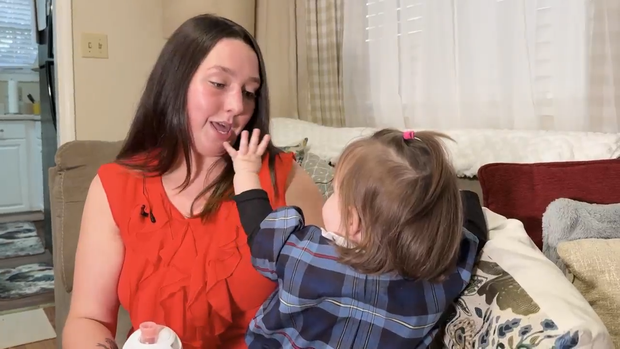
After giving birth to her daughter, Rollen experienced postpartum depression—and the pain medication prescribed after her traumatic delivery pushed her deeper into dependency.
"The hospital had prescribed me Percocets, and I already had a drinking problem," she said. "I had an episiotomy … after that, I got hooked on them."
For the past five months, Rollen and her 1-year-old daughter have lived at Breakthru House, where she receives treatment and maternal support—all while staying bonded with her baby.
"Now that I'm able to be a full-time mother in recovery and having this structure that we both need—it's amazing," she said.
Childcare: one of the hardest barriers to recovery
Like many mothers in treatment, Rollen says she had no income when she arrived and struggled to secure childcare. She applied for CAPS funding, a state program that helps low-income families pay for daycare, but was denied.
"The first month or two I was here, I struggled with getting CAPS. They denied me," she said. "Breakthru was able to start paying for daycare. If it weren't for Breakthru, my daughter probably wouldn't be here with me right now because I can't afford childcare on my own."
Without childcare support, Jackson says many mothers simply never walk through the doors of treatment.

"I have shame and guilt": Another mother's path to healing
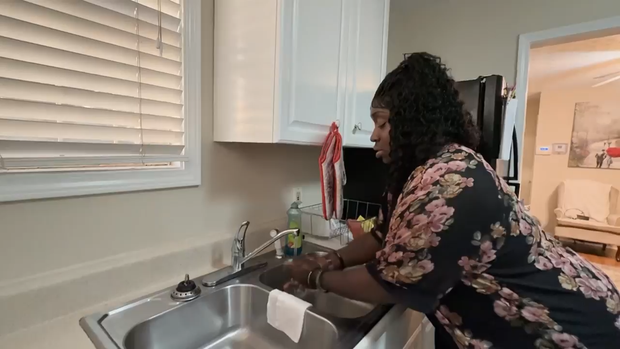
For Tramisha Mullings, another resident at Breakthru House, the path to recovery has included painful losses.
"I lost my two oldest kids because of domestic violence," she said through tears. "They went to school and said they were tired of seeing me getting hands put on me, so I lost them."
Mullings later gave birth to a daughter who had drugs in her system. Because of her opioid use during pregnancy, the Department of Children and Family Services took custody immediately. Her daughter is now being raised by Mullings' grandmother.
"I have shame and guilt behind my drug usage," she said. "I'm working through my issues and want to have another chance at being a mother again."
Nine months clean—and hopeful for the future
As Rollen continues her recovery journey, she says she finally feels hopeful about what lies ahead.
"Coming up in December, I'll have nine months clean on the 28th," she said. "It feels great."
Breakthru House staff say stories like Rollen's and Mullings' highlight why programs designed for mothers are essential—not only for recovery, but for keeping families together whenever possible.