ICE stopped paying for detainee medical care as population surged, Ossoff investigation finds widespread neglect
ATLANTA — As the number of people held in U.S. immigration detention has surged nationwide, U.S. Immigration and Customs Enforcement has stopped paying outside medical providers for detainee care, according to newly reported government records — a breakdown that coincides with a Georgia-led Senate investigation documenting dozens of cases of alleged medical neglect inside ICE facilities.
According to reporting by Popular Information, ICE has not paid third-party medical providers for detainee treatment since October 3, 2025, instructing providers to hold all claims until at least April 30, 2026.
The lapse comes as the detained population has ballooned from fewer than 40,000 people in January 2025 to more than 73,000 today.
Federal law requires ICE to provide necessary medical care to people in its custody.

Medical care halted as bills go unpaid
ICE detention centers rely heavily on outside doctors, hospitals, and pharmacies, especially for specialized or off-site care.
But an administration source told CBS News Atlanta that ICE's failure to pay has already led some providers to deny services altogether, while in other cases, detainees have allegedly been denied essential medical treatment.
In internal government documents, ICE described the situation as an "absolute emergency," warning it could lead to "medical complications or loss of life." More than three months later, the payment system remains offline.
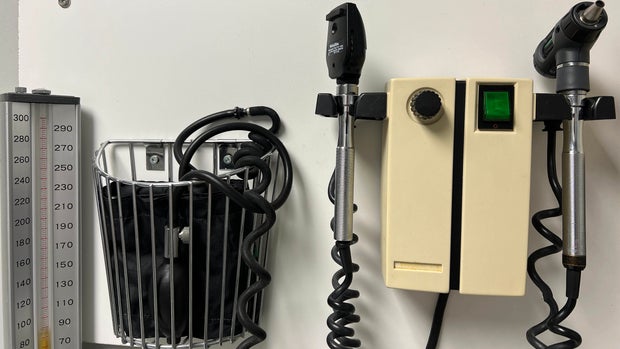
Georgia senator's investigation flagged life-threatening cases
This development adds new context to an investigation led by Jon Ossoff, who last year documented 85 credible reports of medical neglect at ICE detention centers nationwide, including cases involving:
- Untreated chest pain leading to heart attacks
- Complications from unmanaged diabetes
- Denial of necessary medications
Ossoff's office said the incidents occurred between January and August 2025, before the payment system collapsed — raising concerns that conditions may have worsened since.
CBS News Atlanta previously reported that Ossoff's investigation found detainees describing abuse, delayed care, ignored medical requests, and poor living conditions, with some alleging permanent injury as a result.

How the system broke down
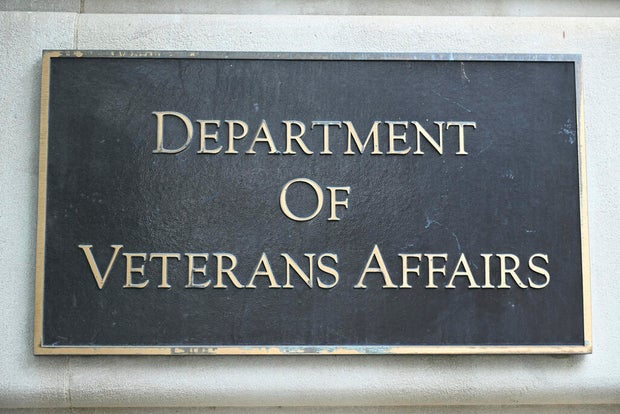
For more than two decades, ICE relied on the Department of Veterans Affairs' Financial Services Center to process medical reimbursement claims for detainee care, a system ICE paid for separately, without diverting resources from veterans.
That arrangement abruptly ended on October 3, 2025, after political pressure and a lawsuit from the Center to Advance Security in America (CASA) - a right-wing nonprofit - prompted the VA to terminate the agreement.
ICE was left without a functioning payment mechanism for medications, dialysis, prenatal care, oncology services, and chemotherapy, according to federal records.
ICE has since contracted with a private company to replace the VA, but that contractor says it will not be ready to process claims until at least late April — and even then, payments could be delayed another month.
A growing gap in care
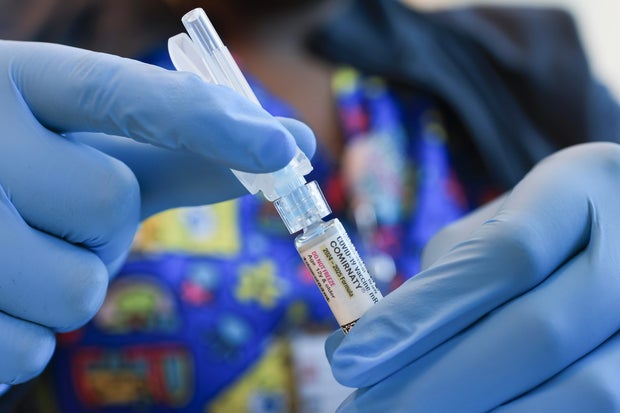
Internal administration data shows that the VA processed $246 million in medical claims for ICE detainees in 2024.
In 2025, despite an 82% increase in the detained population, only $157 million in claims were processed.
The data suggests a nearly $300 million gap between needed medical care and what was actually paid, a shortfall that reflects both unpaid bills and detainees who may never have received treatment at all.
What happens next
CBS News Atlanta reached out to ICE Atlanta and ICE Miami for comment, as both Georgia and South Florida have major immigration detention facilities and play a large role in federal detention operations.
ICE did not respond to requests for comment before publication.
The VA says it is now exploring whether it can temporarily resume claims processing to prevent further harm.
For advocates and lawmakers in Georgia, the issue underscores a broader concern: as immigration detention expands, accountability systems for basic medical care have failed, leaving thousands of people in federal custody in legal and medical limbo.


