Georgia's Okefenokee Swamp becomes newest U.S. site added UNESCO's World Heritage List
Georgia's Okefenokee Swamp is the newest U.S. location added to UNESCO's World Heritage List.
A United Nations committee voted to add the Okefenokee National Wildlife Refuge to the list on Saturday at its meeting in Busan, South Korea.
With the designation, the massive swamp becomes Georgia's first World Heritage Site. It's the 27th in the nation, joining a group that includes the Grand Canyon and the Everglades.
In its summary, UNESCO called the Okefenokee Swamp "one of the largest and most intact ecosystems within the North American Coastal Plain global biodiversity hotspot."
"The property supports exceptional biodiversity, including at least 856 plant species, 48 mammal species, 238 bird species, 39 fish species, and 90 reptile and amphibian species, and provides important habitat for migratory birds, threatened species, and a significant population of American alligators," the summary reads.
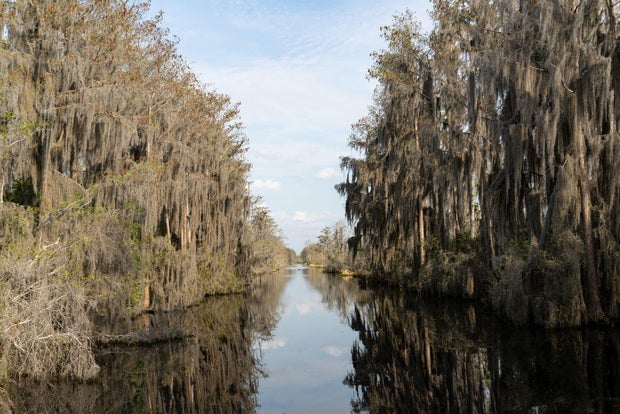
UNESCO also pointed to the swamp's endangered Longleaf Pine savannah, of which less than 3% remains, and its peat beds that "provide an important archive of palaeo-environmental history and critical carbon storage."
Some locals have opposed the move by UNESCO, fearing it would increase U.N. involvement in managing the site. Lawn signs urging "Keep the U.N. (UNESCO) out of the Okefenokee" have dotted the roads around Ware and Charlton counties for several years. The same slogan appears on t-shirts.
While the designation does mean that UNESCO will monitor how the site is used, officials with the US Fish and Wildlife Service say it does not confer any ownership to any international body.
"Becoming a World Heritage Site does not confer any ownership or management authority to the United Nations, USFWS wrote in a 2024 explainer. "UNESCO only monitors the current conditions and potential threats to the designated properties. The Refuge would continue to be wholly owned and managed by the US Fish and Wildlife Service."
Also added to the list this year were the Normandy beaches were the D-Day landing took place, Wat Phra Mahathat Woramahawihan, a 13th-century Buddhist temple in southern Thailand known for its 255-foot stupa and distinctive architecture, and Sarnath, an ancient Buddhist site in the northern Indian city of Varanasi.
The Associated Press contributed to this report.


