Georgia attorney general warns parents about dangerous opioid-like drug being sold in gas stations
Georgia Attorney General Chris Carr is sounding the alarm about a powerful, opioid-like substance that's showing up in gas stations, vape shops, and convenience stores across the state. He says it's putting children in danger.
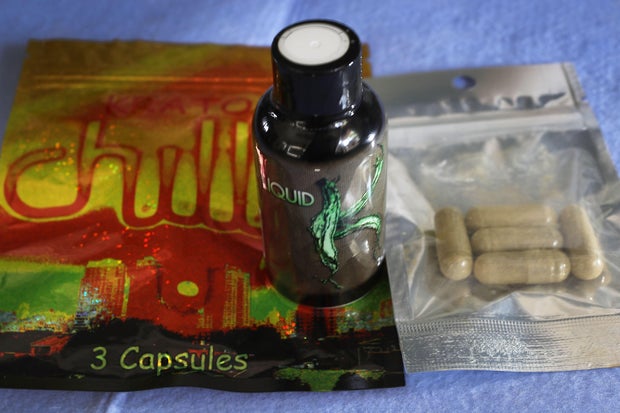
Carr recently issued a statewide warning about products containing 7-OH, a chemically enhanced compound that the FDA says can be 13 times stronger than morphine when concentrated. While 7-OH occurs naturally in small amounts in the kratom plant, the versions being sold in tablets, shots, capsules, and liquid extracts are lab-made, highly potent, and potentially deadly.
According to Carr, these products are often disguised as everyday candies, gummies, or even ice cream cones in packaging that can easily attract teenagers and young adults.
"We're staring down the next wave of the opioid crisis, and we have to take action before it's too late," Carr said. "These harmful and addictive drugs are sold like candy, and they're putting children at risk. It's unacceptable and it's illegal, and there will be consequences for those who break our laws."
Georgia cracking down under new kratom laws
The Kratom Consumer Protection Act, which took effect Jan. 1, outlines strict requirements for selling kratom and 7-OH products in Georgia.
Retailers must:
Verify buyers are 21 or older
Keep kratom behind the counter or in a secured case
Follow restrictions on vaping kratom or mixing it with devices like e-cigarettes
The law also caps how much mitragynine and 7-OH a product can contain. It bans adulterated kratom, synthetic versions of kratom compounds, or anything made with ingredients not recognized as safe for food products. Packaging must clearly list ingredients, safety warnings, dosing instructions, and the manufacturer's information.
The FDA recently moved to classify 7-OH as a controlled substance, and the agency has not approved it for any medical use.
Carr urged consumers to report stores selling illegal or mislabeled products to local law enforcement. Anyone who has an adverse reaction to a 7-OH product should seek medical care and report it to the FDA at 1-888-SAFEFOOD.
"gas station heroin" dangers
Carr's office is also warning about tianeptine, a drug sometimes marketed as "gas station heroin." It's sold online and in convenience stores, often advertised without evidence as a treatment for depression, pain or anxiety.
Health officials say tianeptine can be addictive and dangerous, causing problems ranging from high blood pressure and rapid heartbeat to respiratory failure, coma and death. Calls to poison control centers about the drug have surged in recent years.
Carr encouraged anyone battling opioid addiction, depression, anxiety or pain to speak with a medical professional about FDA-approved treatments instead of turning to unregulated products sold at gas stations.