"Forever chemicals" detected at all 20 Georgia water testing sites in new report

The Environment Georgia Research & Policy Center presented findings from a recent report examining PFAS contamination in Georgia's waterways.
The report, produced with Frontier Group, draws on testing data collected from 2022 through 2024 through the Environmental Protection Agency's Water Quality Portal and local riverkeepers. Environmental advocates said the findings underscore the need for more research, resources and legislative action, including the PFAS Transparency Act.
PFAS were detected at all 20 Georgia testing locations included in the report. As many as 17 different PFAS compounds were detected at one or more sites, according to the groups.
The report, titled "PFAS in America's Rivers and Lakes," covers 40 states. Its findings do not include all available PFAS testing data, and many waterways have not been tested, the groups said.
PFAS, often called "forever chemicals," are used in products such as nonstick cookware, food packaging and waterproof clothing. According to the report, they can enter waterways through industrial and sewage treatment plant discharges, firefighting foam and contaminated sewage sludge spread on farmland.
During Tuesday's news conference, Environment Georgia Research & Policy Center State Director Jennette Gayer said contamination is widespread.
"PFAS has been linked to a wide range of health impacts including decreased fertility, developmental delays in children, compromised immunity and some types of cancer," Gayer said.
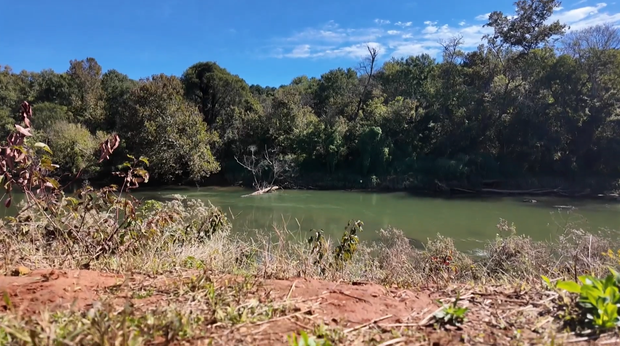
The groups said people can be exposed by consuming contaminated water or fish.
"Standing in the middle of a Georgia river or stream and trying to hook a fish with nothing but a rod, reel and fly is a challenge that Georgia's anglers treasure," said Mike Greenman, president of the Atlanta Fly Fishing Club.
Greenman said PFAS contamination threatens fishing, future generations and the recreation spending anglers bring to Georgia.
Jason Ulseth, riverkeeper and executive director of Chattahoochee Riverkeeper, said recent sampling found contamination in the Chattahoochee River.
"There is no denying that PFAS contamination is a national crisis," Ulseth said. "Our latest sampling confirms that it is in the Chattahoochee and I know our fellow Riverkeepers have found similar problems in other rivers around the state."
Microplastics in Georgia's waterways were also raised as a concern during the news conference.
The groups are calling for potential polluters to notify treatment facilities about PFAS in their discharges, a phaseout of PFAS use, and restrictions on industrial discharges into rivers and sewage treatment plants. They also want an end to spreading PFAS-contaminated sewage sludge on farmland.


