Domestic violence survivor advocates concerned ICE fears may keep victims away from help

Advocates for people in immigrant communities experiencing domestic violence warn that widespread fear of ICE is stopping many victims from reaching out for help.
Community members say some the worry that using services for domestic violence could expose them to the risk of deportation and family separation.
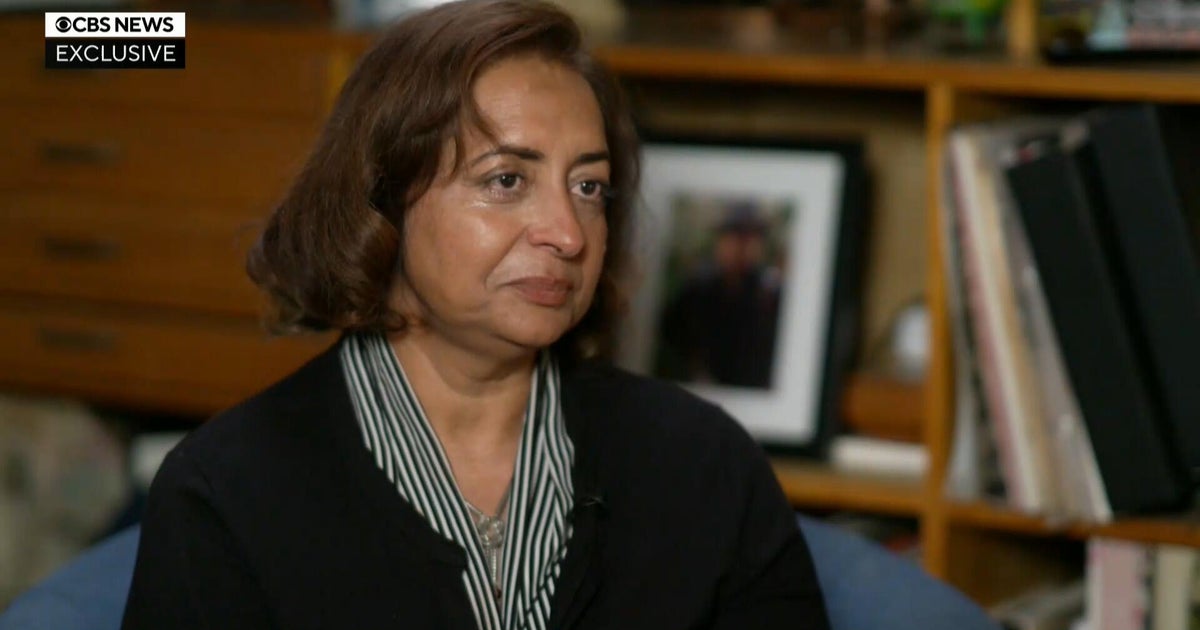
One metro Atlanta immigrant survivor shared with CBS News Atlanta the challenges women like her face — and the message she has for those too afraid to ask for help.
Sewa Fields was only 17 when she left her home country of India to go to college in the U.S. There she met the man she'd later marry in 2006.
Shortly after, she says the abuse started.
"Because I was in this vulnerable space, I was maybe feeling a little alone or isolated, being in a new country, learning a new culture,"she said. "It was, I think, an easy in for me to get into a relationship that ended up being toxic and abusive."
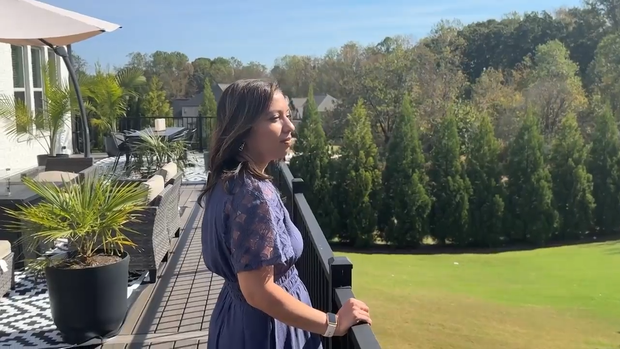
It took her eight years to leave, but Fields said, if she faced today's risk of detention or deportation by ICE, she might have never spoken up or left her abusive marriage.
"I think that could have definitely been a real vulnerability for me back then," she said. "Even though the abuse started pretty early in the marriage, like if I had decided to leave really early on, I would have risked losing that entire permanent residency that I was building toward."
"Even for those of us doing this work, we know that the protections are there. But are they being enforced? And do the new folks that they're hiring even know about this, right?" said Aparna Bhattacharyya, the executive director of Raksha — a nonprofit serving South Asian American victims of domestic violence
Bhattacharyya said misinformation is also keeping women from using support like the group's survivor pantry, because they wrongly believe it counts as "public charge" on government benefits and could jeopardize their immigration status.
"Our concerns are that, you know, ICE has been showing up in courtrooms. ICE might show up at shelters and have done that in other states, and it might not be safe for survivors," she said.
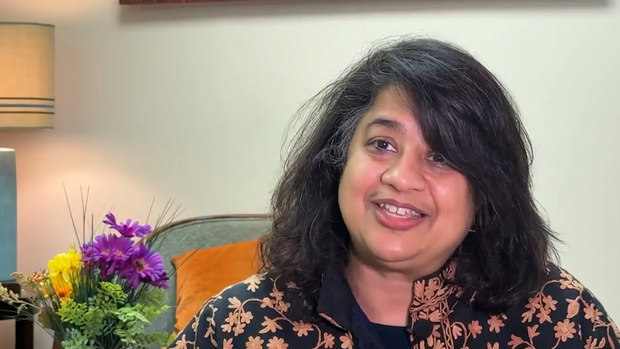
Fields was granted citizenship in 2016 after her divorce, but it took years for her to feel safe.
She has a message for other survivors:
"It's okay for you to feel scared. It's okay for you to not know what to do, to feel helpless in that situation," she said. "If you do choose — and it's your choice whether you want to finally leave — just know that there is hope on the other side, and there is beauty on the other side."
After years of trauma and strife, one survivor now offers inspiration and solidarity for others touched by domestic violence.
You can learn more about Raksha on the organization's website.