Caregiving may speed up cellular aging, Emory research finds
Nearly one in nine U.S. adults age 65 or older living with Alzheimer's disease or a related dementia, so caregivers are needed more than ever.
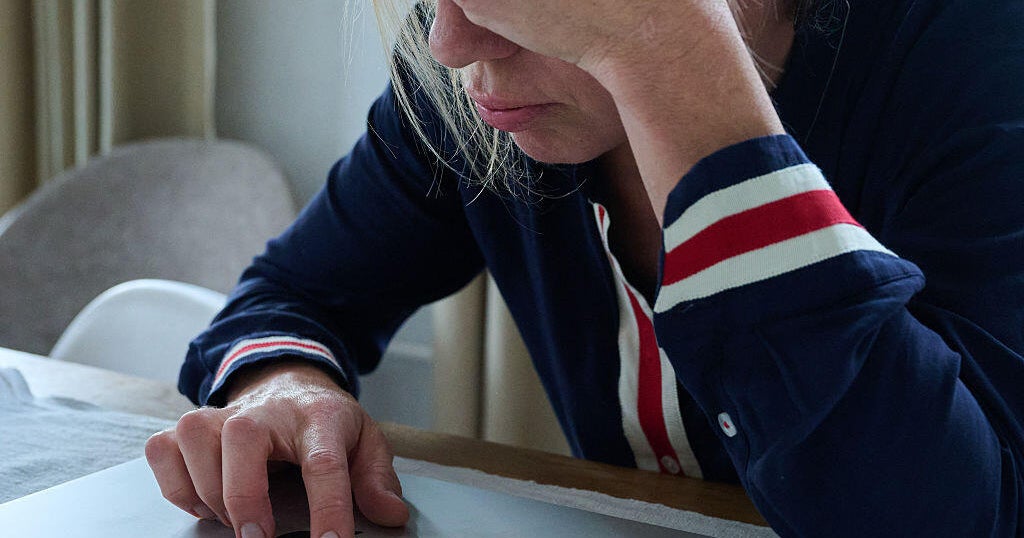
Now, new research from Emory University suggests that the toll extends beyond emotional and logistical burdens. The study found evidence that the chronic stress of caregiving may accelerate biological aging at the cellular level.
Ophelia Spencer Underwood is an example of how bringing community into caregiving helps both caregiver and the person who is ill.
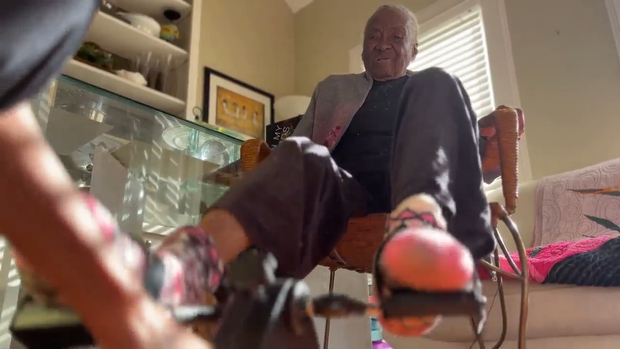
"I was born November the 10th, 1923, and I am 102 years old!" said Spencer Underwood. Her daughter and caregiver, Cornelia King, makes sure she stays active with movement, exercise and time in the community.
"I am thankful to God, really, for my daughter and her spirit," Ophelia said.
When Spencer Underwood was diagnosed with a neurological condition affecting her motor skills and brain function, she needed a caregiver. For King, the decision was instinctive.
"So, you know, what do you say? You say, of course, you know, because your mom took care of you," she said.
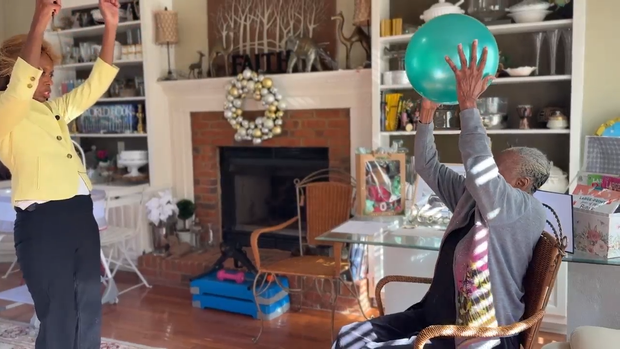
Spencer Underwood knows the commitment her daughter and now granddaughter have made. "I realized it was a sacrifice for them. And a lot of changes in the way they, for example, participate in community activities. So, it was a big change for them."
Caring for her mother taught King that she must also care for herself.
"If I'm doing exercises with her, I'll do mine while she does hers. We make sure we get it all in together," King said.
"It is very difficult," she added, "but it forces you to be really intentional because we reminded that often caregivers, some of them die before the person that they're caring for."
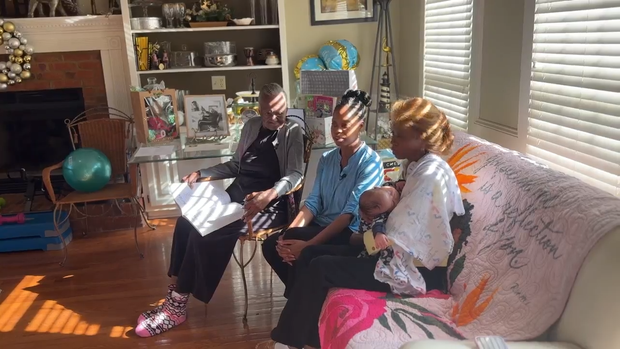
Emory researchers Dr. Brittany Butts and Jordan Watson found that caregivers may experience measurable biological changes linked to stress. According to their findings, DNA components that reflect biological age — telomeres — tend to be shorter and break down faster in caregivers than non-caregivers.
Butts explained how stress may translate into cellular aging:
"We wanted to look at a marker of cellular aging called telomere length, which are basically these little caps on the end of your DNA. So, think of it like the eaglets the ends of your shoelaces, that if you got rid of those, your shoelaces will fray. And so, these are protective, so that when your cells divide your DNA stays the same over time. As those shorten, the cells can reduce in function and kind of no longer work. And that can also lead to things like inflammation and other factors related to heart disease."
Watson said caregivers must prioritize taking care of themselves as they care for others.
"Taking the time to get the sleep that they need, taking the time to eat the food and making sure that they're okay, and prioritizing their health as well," Watson said.
The work is deeply personal for both researchers. Each has a family member with memory loss.
"My grandmother was diagnosed with Alzheimer's disease, and she was my favorite person in the world… And so it was really hard to… Sorry," Butts said, tearing up. "I think it was hard because you kind of lose, twice, you know, the first time when they're not themselves anymore. And then again, you know, when she finally passed."
Watson shared her own experience:
"My grandfather suffered from Alzheimer's disease as well. When we had the opportunity to study this and family caregivers, it was around the time where my grandmother was caregiving for my grandfather. And so being able to take something that was a real-life situation for someone and be able to study it and better understand that to help other people that are dealing with that was super important to me as well."
Earlier, Watson also reflected on the role of caregiving families in shaping the research:
"At the heart of our research is our hope to honor the people who allow us to learn from their experiences and to inspire others by showing that there are ways to improve health outcomes for caregivers. The challenge and the responsibility for us as researchers is to take the next steps: developing interventions and programs that support caregivers without adding to their burden, helping them build resiliency, reduce stress, and feel more supported overall."
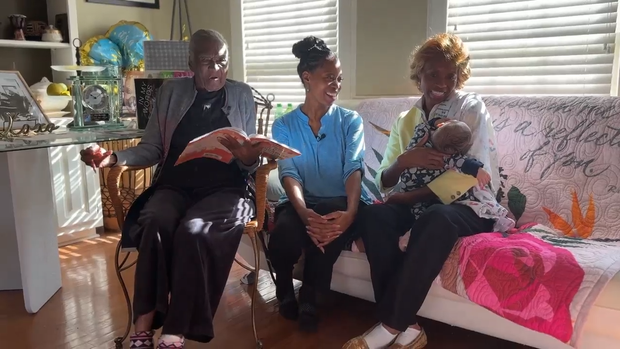
One of the most meaningful solutions, the researchers said, can be connection.
"It's important to have someone to talk to, whether it's like a support group and to do activities together or, it's, you know, engaging with family or, you know, whatever that community is, it can kind of help," Butts said.
For King, support often begins at home, with her own daughter.
"My mom might be having difficulty understanding what we're needing her to do. So sometimes you step in, and she'll say it a different way," King said looking at her daughter, Cherise. "Then also, I can catch my breath and step away from it. And that helps so much."
Together, they're working to make Ophelia's golden years shine — while preparing their own bodies for the years still ahead.