Buckhead homeowners' association must preserve Piney Grove Cemetery, judge rules
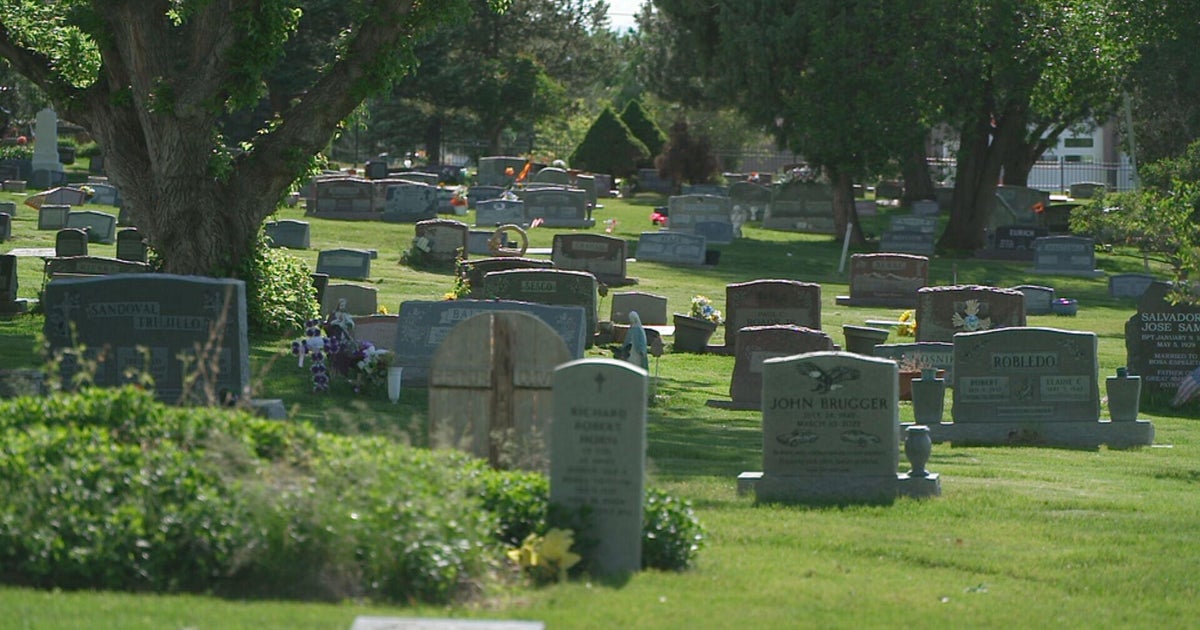
A Fulton County judge has ruled that Piney Grove Cemetery, a historic African American burial ground tucked behind a Buckhead condominium complex, is a public cemetery protected under Georgia law.
The ruling ends years of disagreements between descendants and the property's homeowners' association.
The Superior Court of Fulton County granted summary judgment in favor of the Friends of Piney Grove Cemetery and descendants Rhonda Jackson and Audrey Collins, declaring that the cemetery — which dates back to the 1800s — must remain accessible and maintained as required by city zoning conditions and state law.
Historic cemetery protected
Judge Robert McBurney's Oct. 17 order affirms that the cemetery, which holds more than 300 burials, including those believed to be of enslaved individuals, has been a public resting place "for over a century" and cannot be reclaimed or neglected by private property owners.
The court found that the Bluffs at Lenox Homeowners' Association, which oversees the adjoining condominium complex, has a legal duty to maintain the cemetery grounds and to allow descendants and members of the public to access it. The judge also directed both sides to submit a proposed permanent injunction outlining future access and upkeep responsibilities by early November.
"When a tract of land has been dedicated as a cemetery, it is perpetually devoted to the burial of the dead and may not be appropriated to any other purpose," the court wrote, citing long-standing Georgia law.
Legacy of Piney Grove
Once part of a thriving 19th-century Black community in what is now Buckhead, Piney Grove Cemetery served residents of several neighboring settlements, including Lynwood Park and Johnsontown. The accompanying church congregation later relocated to Decatur, but the cemetery remained on its original land, even as nearby property was sold and redeveloped into upscale housing.
In the early 2000s, developers promised to preserve and maintain the site as a condition of rezoning, but descendants say those commitments were never honored. Over time, the grounds became overgrown and inaccessible, with fallen trees and trash damaging many of the graves.
The judge's ruling rejected the homeowners' association's claim that the site was private, finding overwhelming testimony that Piney Grove was open to "the community at large" and not limited to church members. The order also recognized Jackson and Collins' legal easement rights as descendants, granting them the right to visit, care for, and maintain the burial sites of their ancestors.
For now, the court has halted any further trial proceedings and ordered both sides to collaborate on a detailed plan to restore and preserve the cemetery.