Atlanta Dream chaplains bring prayer, purpose and community to game day: "This is their church"
Behind the bright lights and roaring crowds at Atlanta Dream games, players can step into a quieter space for prayer, encouragement, and support.
The Dream's voluntary chapel program brings players from opposing teams together before games for a brief service centered on faith and community. Chaplains said the gathering often serves as church for players whose demanding schedules make it difficult to attend traditional services.
"This is the sacred space to be able to come and just kind of relax," Dream chaplain Dr. Angela Powell-Smith told CBS News Atlanta. "The rest of their lives … is in the public eye. Everybody has eyes on them."
Powell-Smith has served as a Dream chaplain since July 2013 after first volunteering as a chapel speaker in 2009. She described the roughly 10-minute gathering as a "spiritual warmup" that can include music, Scripture, prayer requests and lessons from books selected by the chaplains.
The program is optional, but Powell-Smith said players choose to attend because they value the support it provides.
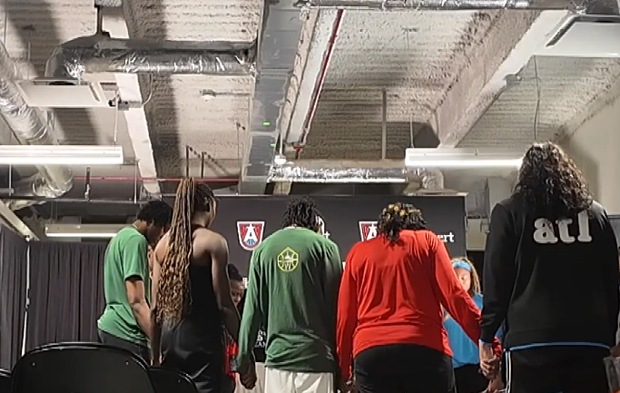
The chapel also gives opponents an opportunity to put competition aside.
"They're about to play a game against each other, but in this space, they are just sisters," said Cerice Barton, who is in her sixth season as a Dream chaplain. "Everybody gets an opportunity to worship, to pray together."
Barton said players face pressures that fans may not always see. Their performances can affect their playing time and roster spots, while criticism from coaches, fans, the press, and social media can weigh on them.
"There is so much of the world that's telling them whether they're valuable, whether they are enough," Barton said.
The support does not end when players leave the arena. Barton said chaplains remain available throughout the year by phone, text, email and social media. Players may seek prayer before surgery, a funeral or a trip, or ask for help studying the Bible.
Dr. Akia Keith, who has served the Dream for 10 years, said building those relationships helps players feel comfortable reaching out about matters unrelated to basketball.
"It allows them to not just be a basketball player when they come, but it allows them to be a person," Keith said.
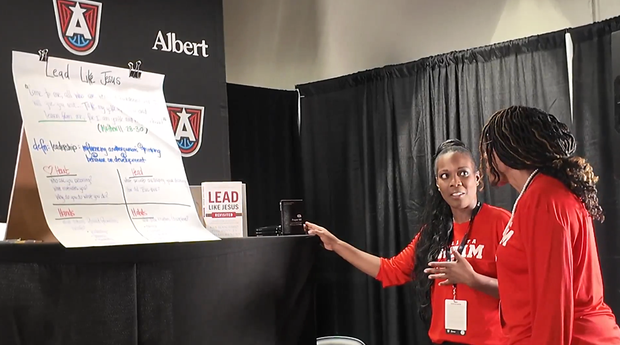
The chaplains also stay connected with former Dream players after they join other teams. Powell-Smith said WNBA chaplains communicate with one another and may ask a colleague to check on a player who appears to be struggling.
For the chaplains, that network is part of a larger mission to help players handle injuries, trades, grief, time away from their families and the eventual transition out of professional basketball.
"Our goal is to support you and to make sure that you are living out your life purpose outside of basketball," Keith said. "We want you to be the best person that you can be."


