Appeals court vacates ruling that blocked Georgia's ban on food, drinks for voters in line
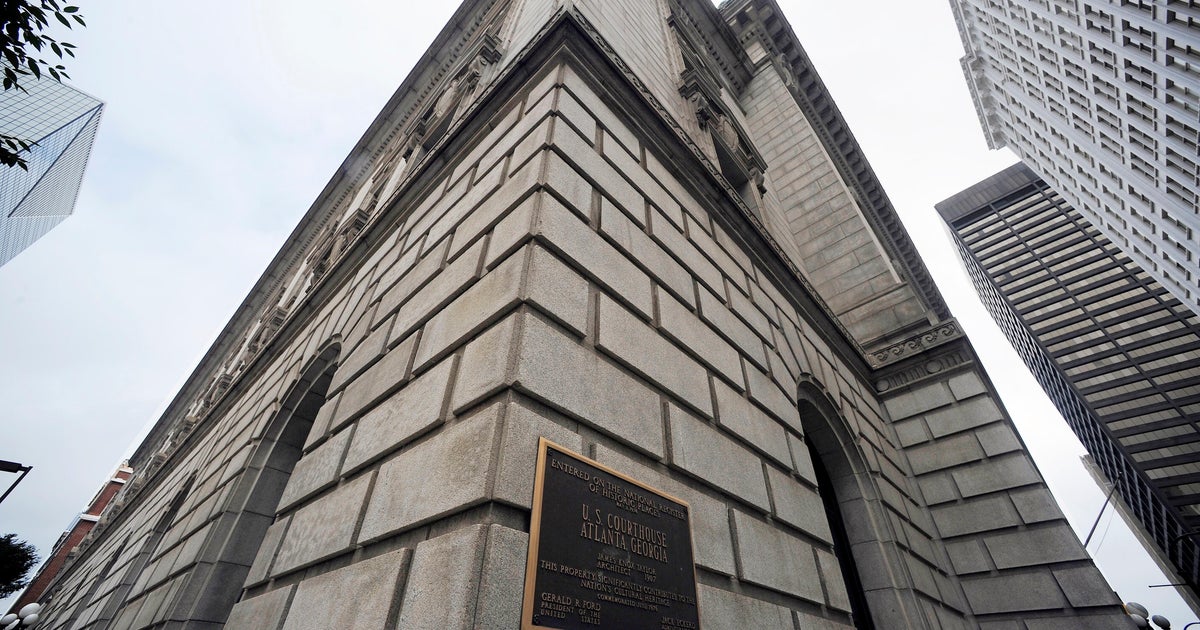
The 11th U.S. Circuit Court of Appeals on Monday vacated a lower-court ruling that had blocked part of Georgia's contested election law that bars handing out gifts, food and drink to voters waiting in line.
The appeals court sent the case back to the U.S. District Court for further review, saying the lower court applied the wrong legal standard when it enjoined the law's 25-foot "polling-line" buffer zone. The injunction had prevented the state from enforcing the ban within 25 feet of voters waiting in line.
In a written opinion, the three-judge panel said the district court failed to perform the facial-challenge analysis required by the U.S. Supreme Court's decision in Moody v. NetChoice. The appeals court said a facial First Amendment challenge requires a court to chart the full scope of the law's applications, determine which applications are unconstitutional and weigh the unconstitutional applications against the constitutional ones, a review the panel said the district court did not undertake.
The ruling does not resolve whether the buffer violates the First Amendment; it only requires the district court to reconsider the matter under the legal framework spelled out in Moody. The appeals court emphasized it was vacating the injunction so the lower court can "assess the law's scope" and weigh the statute's constitutional and unconstitutional applications.
Republican Secretary of State Brad Raffensperger praised the 11th Circuit's decision, saying it reaffirmed the state's ability to protect voters from influence and interference at polling places.
"The Eleventh Circuit's ruling reinforces a simple truth: Georgia has the right and the responsibility to shield voters from influence and interference at the polls," Raffensperger said in a statement.
The Election Integrity Act, known as SB 202, was enacted in 2021. It included the gift ban now at issue, along with other changes to Georgia's election rules such as limits on absentee ballot drop boxes, changes to early voting and new ID requirements for absentee ballots. Supporters of the law argue that gift bans are necessary to prevent attempts to influence voters in line, while critics maintain that offering food and water is a longstanding and protected form of civic engagement.
The legal fight over SB 202 has been ongoing since the law's passage. Earlier federal litigation produced mixed rulings: some parts of the law were allowed to take effect while challenges continued, and other provisions were blocked or limited at different stages. The appeals court's decision Monday requires the district court to reexamine the 25-foot polling-line buffer and to apply the Moody framework in evaluating the plaintiffs' facial First Amendment challenge.