
Christopher Nolan imagines every movie is the last he'll ever make
Director Christopher Nolan imagines every movie is the last he'll ever make. He brought that mindset to "The Odyssey."
Watch CBS News
Director Christopher Nolan imagines every movie is the last he'll ever make. He brought that mindset to "The Odyssey."
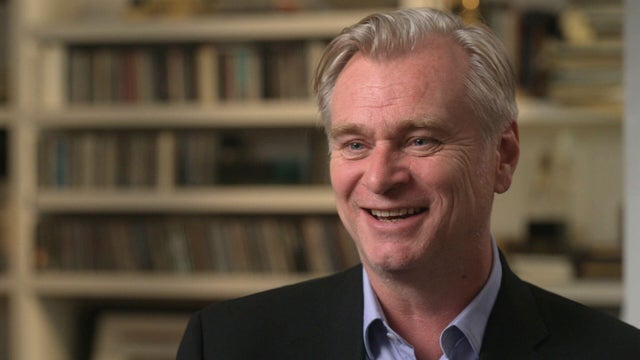
Christopher Nolan, director of "Oppenheimer," "Inception," "Interstellar," and "The Dark Knight," imagines every movie is the last he'll make, leading him toward an ambitious plan for "The Odyssey."
Former Sen. Ben Sasse, dying of cancer, is using the time he has as "an opportunity to talk about bigger stuff." He reflects on America's future, and the importance of faith, community and family.
Former Sen. Ben Sasse is dying of pancreatic cancer. But a promising new drug is giving him extra time to share his message with America.
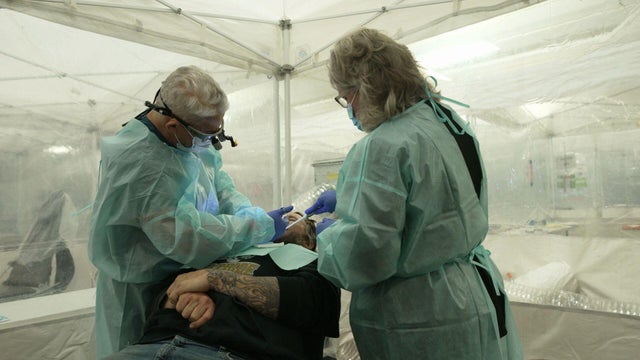
A nonprofit called RAM is bringing free health care to Americans who need it. Some patients wait days and sleep in their cars in order to get dental, vision, and medical treatment at RAM clinics.
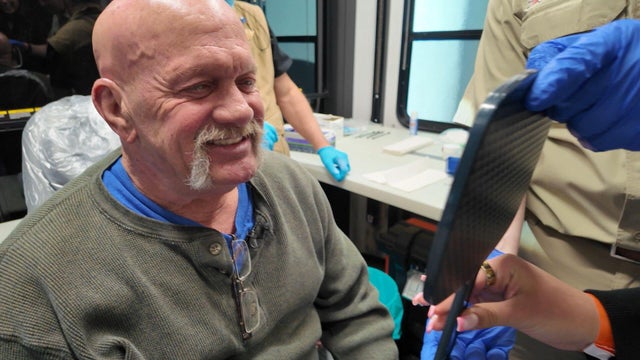
Americans are driving hundreds of miles and waiting on line for days to get free medical help from RAM.

Vietnam's Son Doong, the world's largest cave passage, started its life millions of years ago as a crack the width of a piece of hair. Today, adventurers marvel at the surreal caverns in its depths.

Son Doong, the world's largest cave passage — big enough to fit a skyscraper — is deep inside a Vietnamese jungle. Exploring the dark caverns, home to beautiful rock formations and a river, takes days.
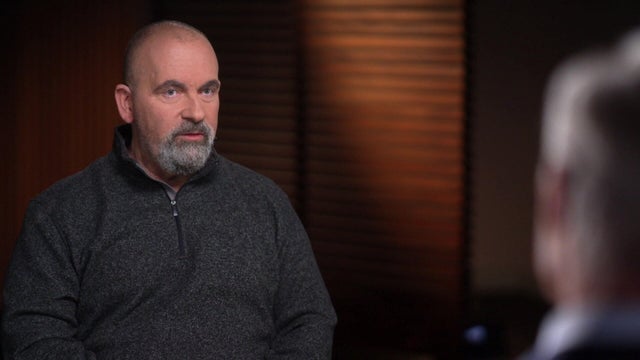
The CIA's investigation into Anomalous Health Incidents (AHI), known as Havana Syndrome, was mishandled, a former CIA officer says. With reports of a new device, victims hope for vindication.
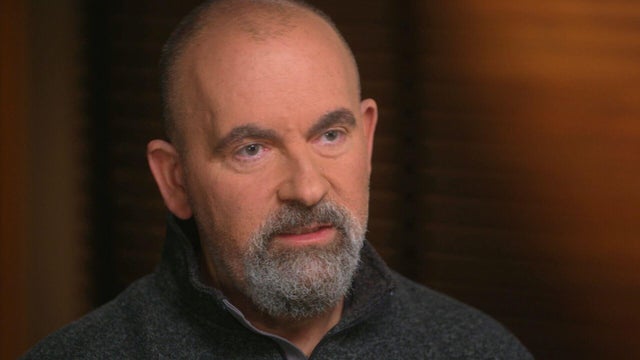
For years, the U.S. government has doubted the stories of those suffering from AHI, commonly called Havana Syndrome. Now, victims hope that reports of a newly discovered weapon will finally vindicate them.
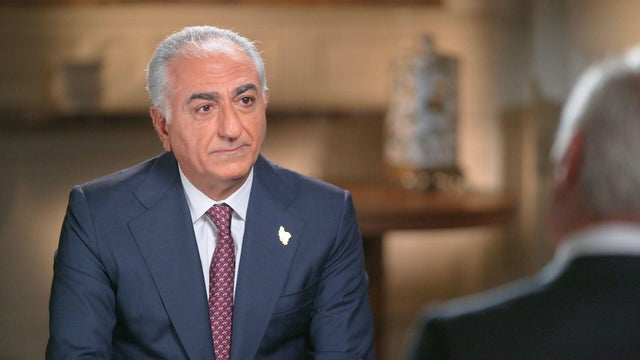
Reza Pahlavi, the son of the late deposed shah of Iran, said he hopes to help lead a transitional government in his home country.
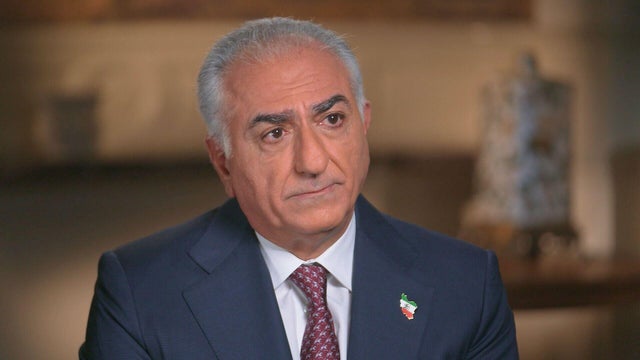
Prince Reza Pahlavi, a leader of the opposition to the Islamic Republic, discusses whether regime change is coming, who leads a transition, and what happens to Iran's nuclear program.
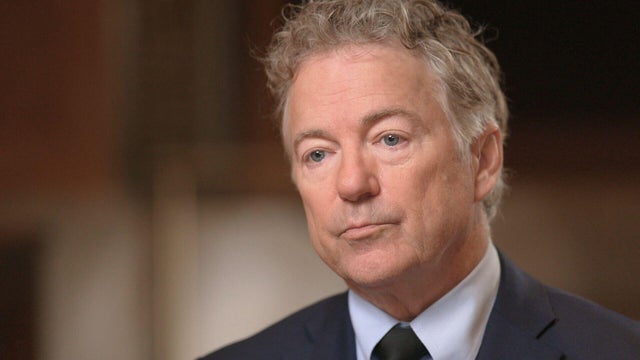
Lawmakers are calling for an independent investigation into immigration enforcement tactics in Minnesota as members of the Trump administration face scrutiny over claims they've made.
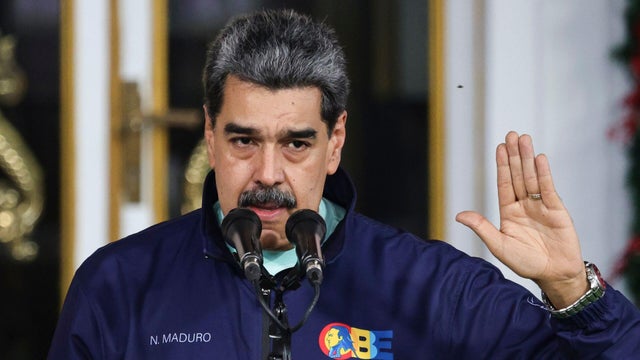
After the U.S. capture of Venezuela's Maduro, correspondent Scott Pelley interviews a former hostage negotiator who may have spent more time face-to-face with Maduro than any other American official.
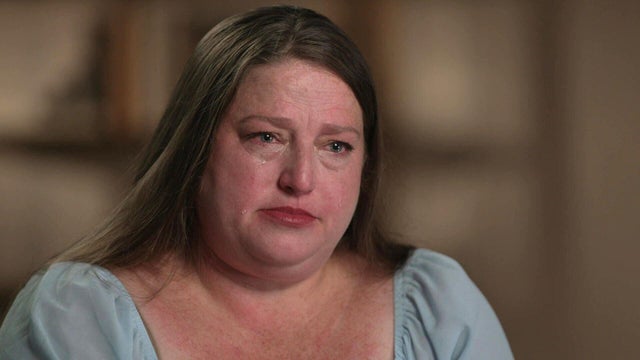
A mom was overjoyed when she learned a gene therapy treatment could save her child's life, until she found out no one would cover the $2 million price tag.