
Pfizer says trials show its COVID vaccine "more than 90% effective"
"We are a significant step closer to providing people around the world with a much-needed breakthrough to help bring an end to this global health crisis," Pfizer CEO says.
Watch CBS News
"We are a significant step closer to providing people around the world with a much-needed breakthrough to help bring an end to this global health crisis," Pfizer CEO says.
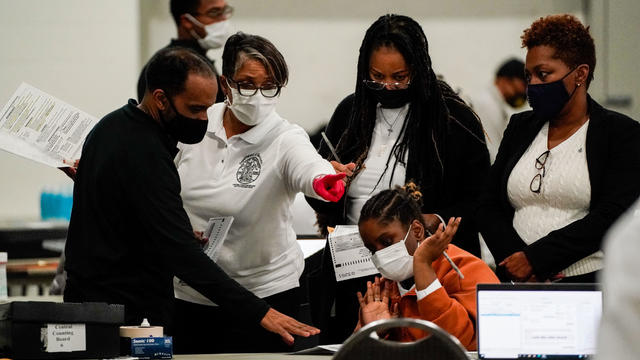
"Baseless allegations of systematic deficiencies, notably by the incumbent President, including on election night, harm public trust in democratic institutions," election observers say.
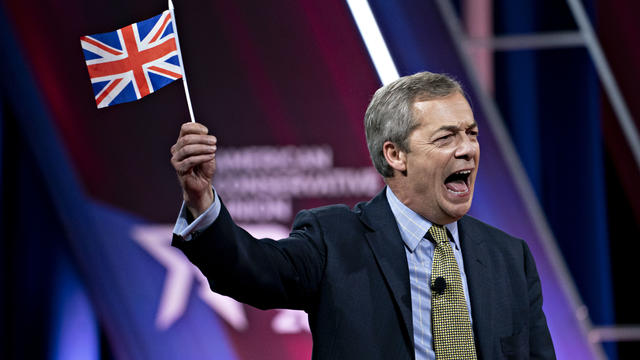
"The debate over how to respond to COVID is becoming even more toxic than that over Brexit," Farage said.
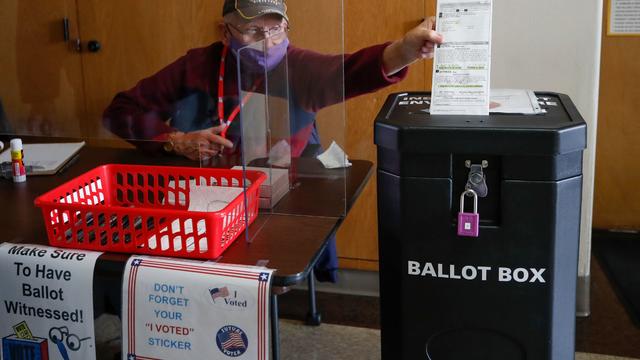
Americans "can rely on us to give a good, solid, impartial assessment come the fourth of November," says the leader of the mission.
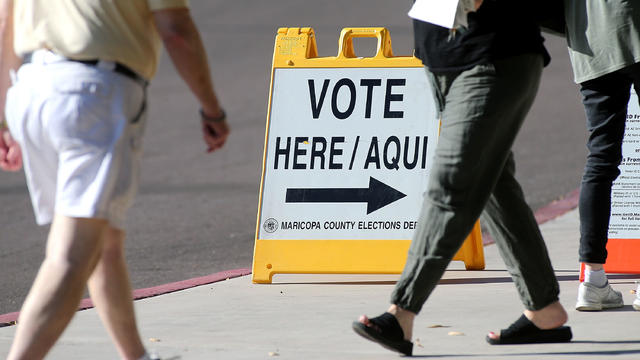
"We're not concerned about who ends up winning, but about how they win, about the process itself," an OSCE spokesperson said.

Sexual misconduct on campuses "impacts pretty much everyone," but often goes unreported because survivors know their attackers, advocacy group says.
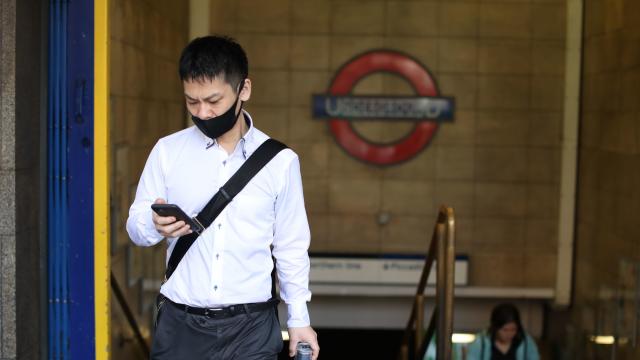
"Now is the time for us to reengage and realize that this is a continuing threat to us," England's deputy chief medical officer says.
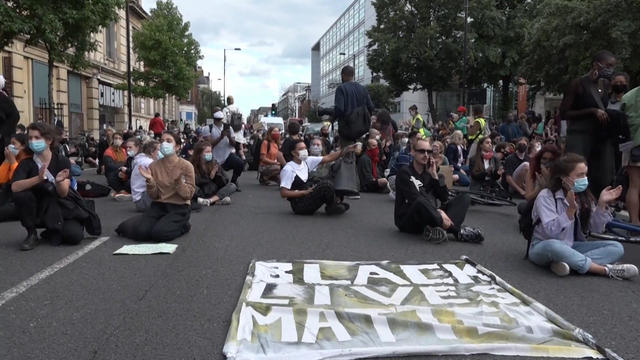
"This is in the middle of COVID, and we are at high risk," says Sistah Space founder Ngozi Fulani. "If you shut us down, you shut down an entire village."

"It's really important that the political rhetoric is in proportion to the scale of what's happening on the channel, which is manageable and the numbers are low," UN says.
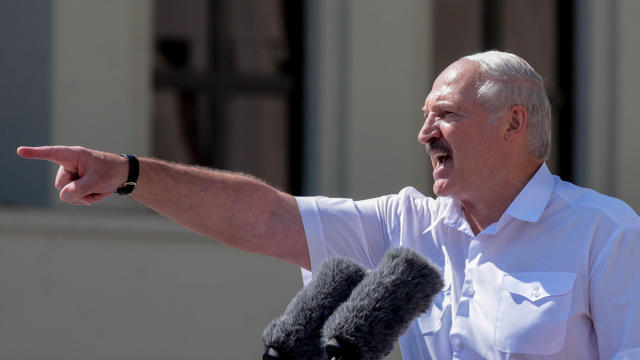
"We held elections already. Until you kill me, there will be no other elections," Lukashenko says as demonstrators demand his resignation.
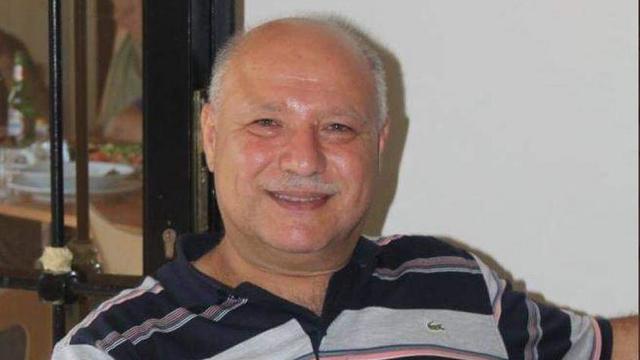
Ghassan Hasrouty is one of dozens who have not been heard from since the devastating blasts that left more than 130 dead and thousands wounded.
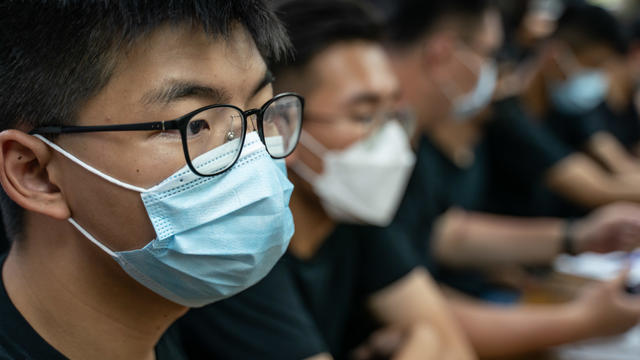
"No matter what happens, I still have faith, hope and trust in Hong Kong people, and we will continue to have our democracy movement," activist Joshua Wong says.
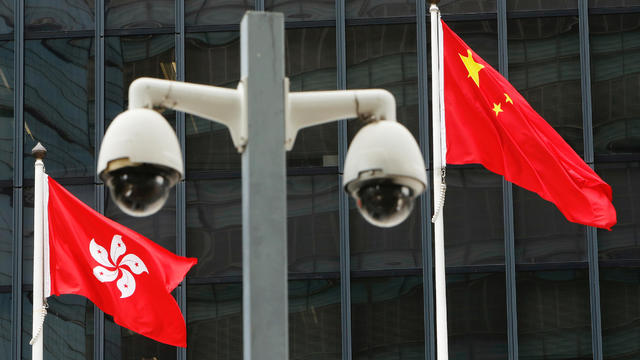
China's new "national security" legislation, which came into force in Hong Kong on July 1, outlaws a variety of vaguely defined offenses like "sedition" that can carry sentences of life in prison.
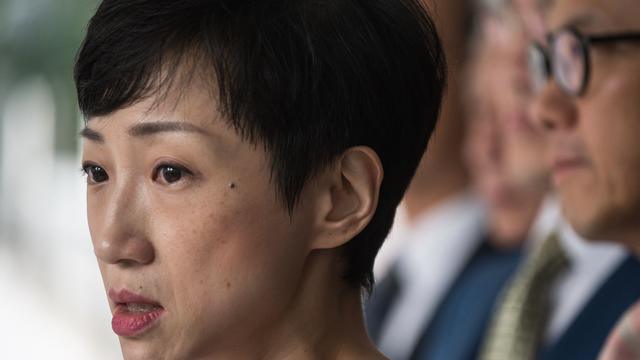
"We were supposed to have rule of law. But now it's rule by law, or even rule by fear," pro-democracy legislator Tanya Chan told CBS News.
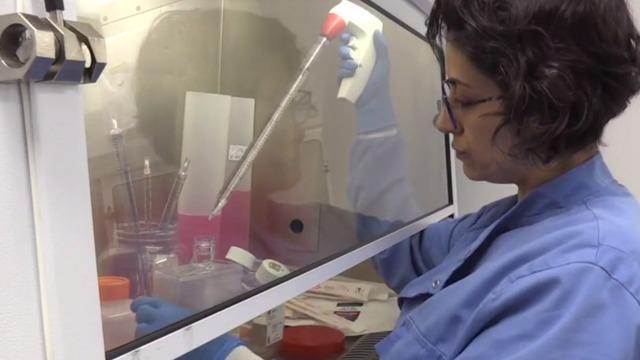
AstraZeneca says the trial data "increases our confidence that the vaccine will work and allows us to continue our plans to manufacture the vaccine at scale."