
Performing arts industry faces "utter devastation" from pandemic
Nearly a year has passed since U.S. theaters closed their doors. Performers say they're running out of time.
Watch CBS News
Nearly a year has passed since U.S. theaters closed their doors. Performers say they're running out of time.
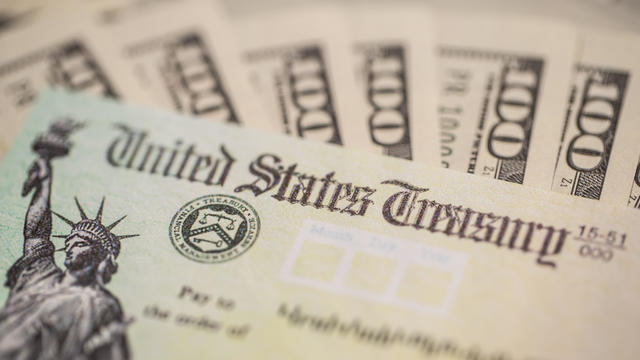
Millions of households may get cut out of the next round of stimulus checks amid deal to lower the income phaseout.
Tax agency's backlog of unprocessed returns surged amid the pandemic, leading to a 50% spike in interest payments.
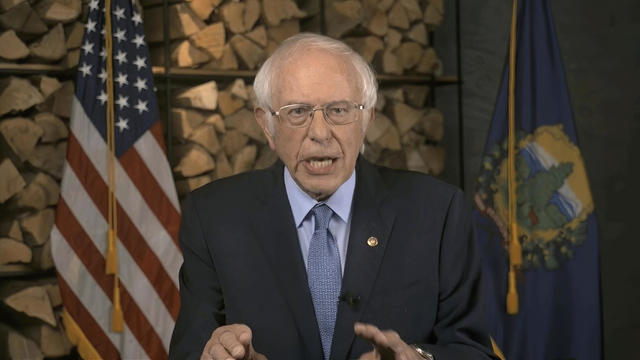
Most Americans say $1,400 payments included in rescue package will last them less than three months, lawmakers argue.
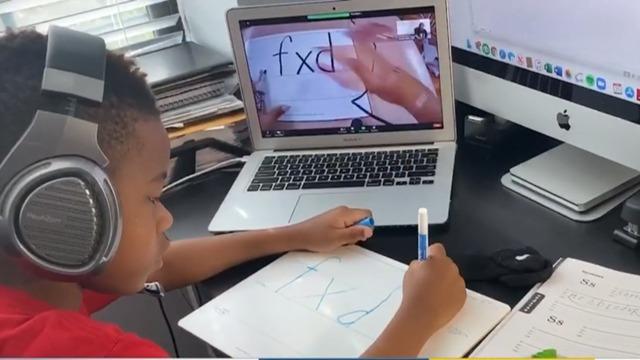
The agency approved a $3.2 billion program to help low-income families and people who lost jobs in the last year.
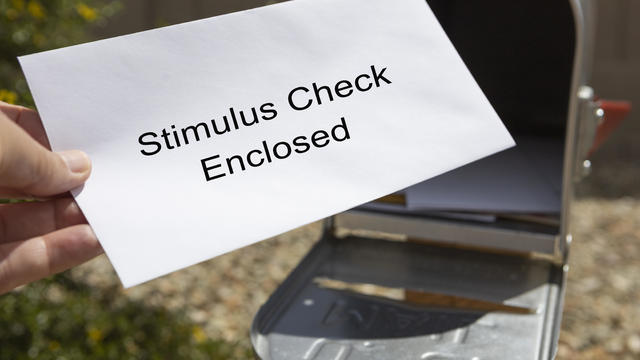
Americans may still have options if they didn't receive a payment in the first two rounds of emergency relief.
Pay bump comes as lawmakers negotiate raising U.S. minimum wage to $15 an hour. Higher pay "makes sense," Costco's chief said.
The "meme stock" is surging again, reprising last month's dizzying rally in the videogame seller's shares.
Cuts to nursing staff and higher use of antipsychotic medications may harm patient care, researchers find.
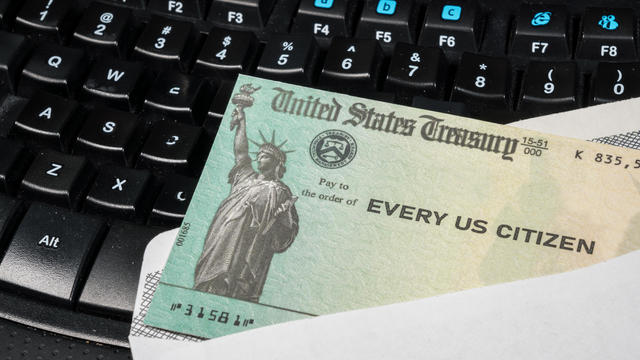
People whose income fell in 2020 or who had a baby may want to file quickly to ensure they get their full payment.
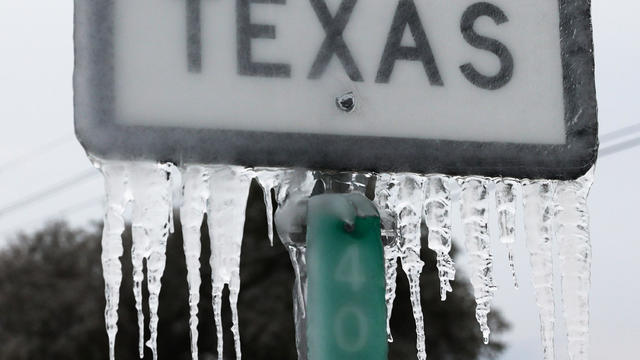
Residents and businesses in the storm-battered state will have until June 15 to file their returns.

Getting a degree is now a "high-stakes decision," one economist says. But those without degrees are even worse off.
In sometimes pointed questioning, lawmakers pressed brokerage chief on whether his company puts its customers at risk.

Online brokerage executive is expected to face questioning about why he restricted trading in high-flying stocks.
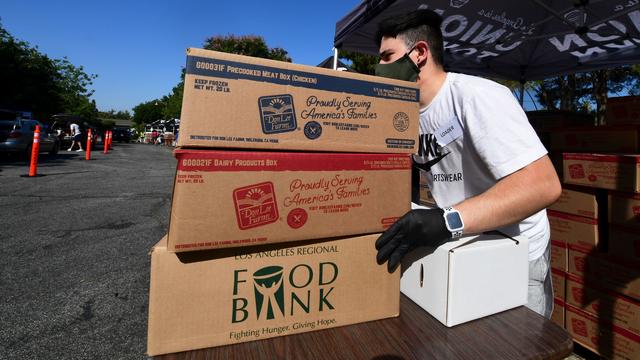
$1.9 trillion stimulus plan would aid low- and moderate-income households through cash payments and tax benefits.