Northern California Salvation Army sees need for services rise as donations are down

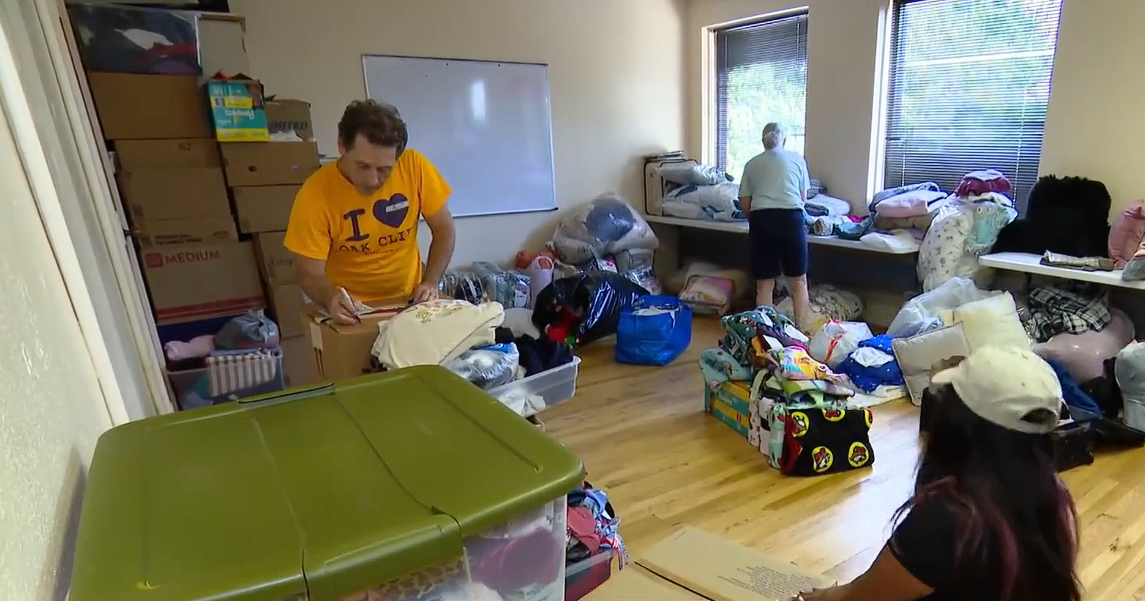
As more families in Northern California turn to charities for a helping hand this holiday season, the Salvation Army is facing one of its busiest years yet.
Peter Pemberton of the Sacramento Salvation Army says the nonprofit is seeing a sharp rise in demand.
"When there's more need, there's less to give, and we have fewer donors able to give," he said.
One clear indicator has been that foot traffic through local social services programs is up, with more families requesting food and utility assistance. Meanwhile, the Angel Tree program hit its cap unusually quickly this year.
The iconic red kettles, a hallmark of Salvation Army fundraising, raised $100 million nationwide last year. But this year, donations have taken a hit.
According to a Salvation Army spokesperson, Northern California and Northern Nevada are seeing a nearly 15% drop in fundraising compared with last year, at 14.9% less. In Sacramento specifically, there is a nearly 18% drop in donations compared to this time last year, at 17.8% less in the Red Kettle Campaign.
"We always trust the residents of Northern California to stand tall. They always do, year after year. But the reality is, we do have to make some hard decisions if we have short funding campaigns," said Pemberton.
Despite the shortfall, there is reason for optimism.
The National Commander of the Salvation Army told CBS News that historically, higher demand has often inspired greater generosity. Pemberton echoed that sentiment, emphasizing the strong support the organization receives from local communities:
"People love us, they love and respect the work that we do, and they always come in at the last minute and help us meet that need," said Pemberton.
This year, the Salvation Army has also embraced digital giving. While traditional bell ringers remain outside stores, donations can now be made online via PayPal, Google Pay, Apple Pay, and other digital methods. Every dollar donated to the Del Oro Division, covering Northern California, stays local, funding year-round programs.