Audit shows California state hospitals, prisons rely on costly contract labor amid soaring staff vacancies
California's essential health care facilities are wasting money on expensive contract labor amid chronic staffing shortages, even as agencies involved report hundreds of millions of dollars in savings from unfilled positions, a new report shows.
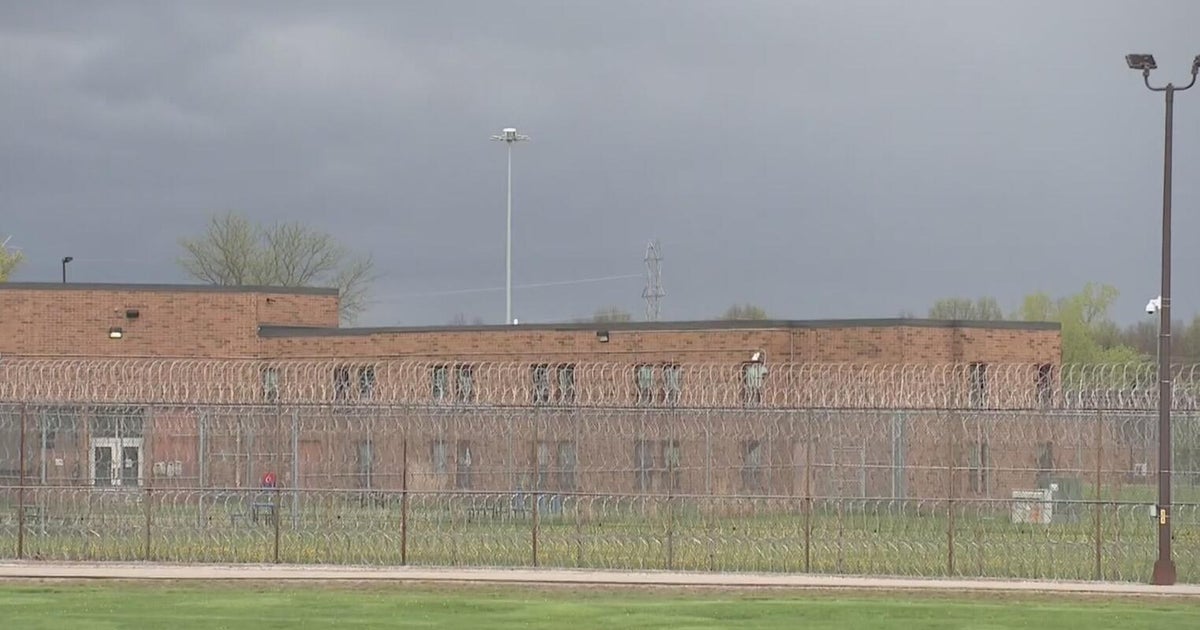
The report by the California State Auditor, released Thursday, focused on three Central California facilities that house incarcerated or institutionalized individuals, or those deemed incompetent to stand trial: Salinas Valley State Prison, Porterville Developmental Center, and Atascadero State Hospital. Each is separately run by the Department of Corrections and Rehabilitation, the Department of Developmental Services, and the Department of State Hospitals, respectively.
The audit determined that vacancy rates at the facilities have grown significantly since July 2019, and the facilities have increasingly used contract workers to address the vacancies, which cost the state more per hour than their civil service counterparts, even after factoring in benefits. The contract employees, who make up 4% to 10% of the total medical and mental health staff, also had significantly shorter tenures than state workers, the audit found, with the constant turnover presenting serious challenges in providing the needed care for committed and incarcerated patient populations.
In addition, the audit concluded that the departments have inadequate oversight of staffing minimums and have failed to maintain mandated medical and mental health services, costing the departments millions of dollars in litigation and fines. In 2023, the State was ordered to pay monthly fines for noncompliance with mandated mental health staffing levels, and as of 2025, CDCR had incurred more than $95 million in accumulated fines, according to the report. Both DDS and DSH have also been involved in litigation for failing to provide adequate mental health staffing, the report said.
The U.S. Constitution and California law give people who are involuntarily detained the right to prompt medical and mental health care, and courts have interpreted the failure to provide it as cruel and unusual punishment. Ongoing federal court orders require CDCR and its facilities to fill 90% or more of certain mental health care positions. However, the audit showed that as of fiscal year 2023-24, more than half of all health care positions were vacant at Salinas Valley State Prison. At Porterville, 36% of positions were empty, and Atascadero reported a 30% vacancy rate.
Despite the reliance on temporary workers, high vacancy rates have resulted in hundreds of millions of dollars in budget savings for the state. Between fiscal years 2019-20 and 2024-25, the facilities realized approximately $592 million in combined savings from unfilled positions. Atascadero alone saved about $247 million, while Salinas Valley saved $188 million and Porterville saved $157 million.
DDS and DSH do not have policies requiring an annual staffing need evaluation, and none of the three departments formally track or require facilities to report when they miss minimum shift-staffing requirements, the report said. It noted that each of the facilities has made efforts to recruit medical and mental health care staff, but statewide and nationwide shortages of medical and mental health professionals, the potentially dangerous working environments, and the high cost of living contribute to the inability to recruit staff.
Among the recommendations the auditor's office made was having the Legislature consider mandating a statewide, cross-agency campaign to recruit medical and mental health professionals into civil service. All three departments were also urged to immediately require facilities to report when minimum shift-staffing levels are not met, and DSH and DDS were tasked with improving their budgeting processes to accurately reflect facility needs.
The report also included responses from all three agencies, with CDCR agreeing with the audit's findings and recommendations, while DDS and DSH generally concurred. DDS disagreed with the recommendation on reporting shift-staffing shortfalls, while DSH disagreed with the recommendation that it evaluate whether offering affordable housing options would help Atascadero State Hospital's recruiting efforts.
"CDCR is committed to providing adequate health care for the incarcerated population, while ensuring fiscal responsibility," a department spokesperson told CBS News. "We thank the State Auditor for their work on this important issue."
"The Department remains committed to enhancing recruitment, retention, and operational effectiveness across all employee classifications, beyond clinical and mental health roles, to maintain optimal and consistent staffing levels; and these recommendations will support this ongoing work," a DDS spokesperson told CBS News.
"As DSH stated in our response to the report, our hospitals regularly meet or exceed mandated staffing minimums and have self-reported rare occurrences where they have not due to extraordinary circumstances," a DSH spokesperson told CBS News. "The audit report acknowledges the significant efforts made by DSH to recruit medical and mental health care professionals using a broad spectrum of strategies, despite unique challenges posed by the nature of forensic mental health treatment."